
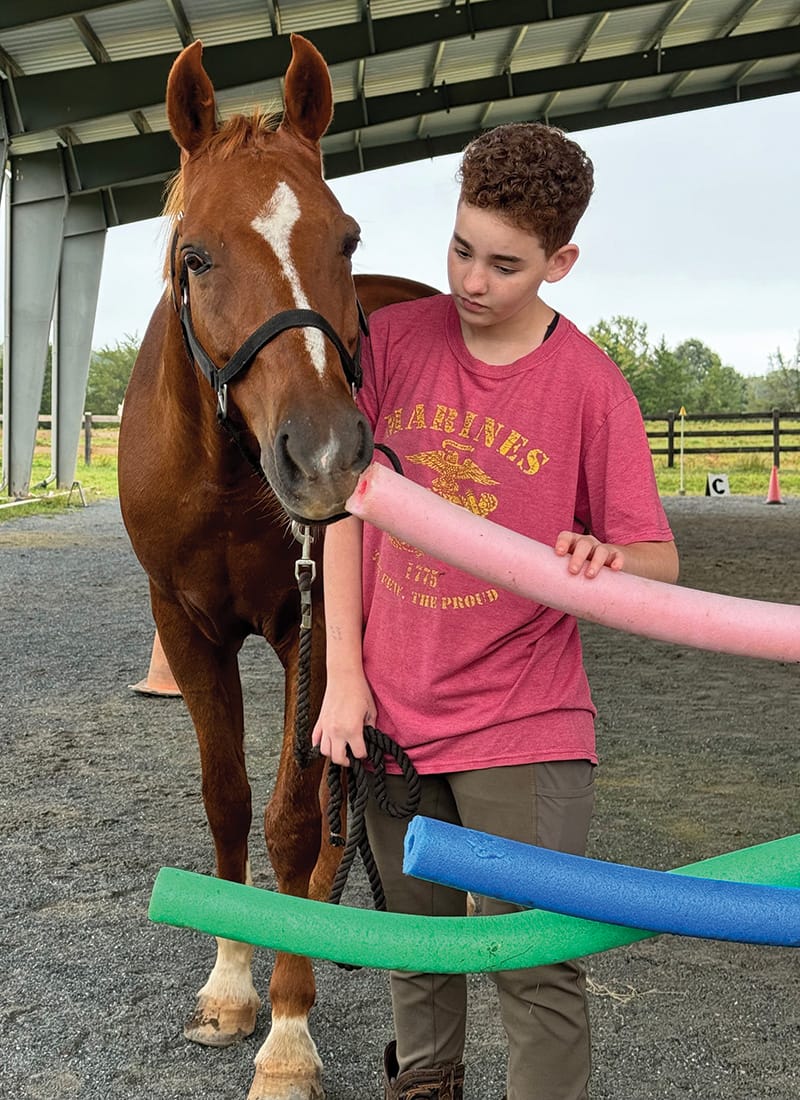
The journey of training a horse is a delicate dance of trust, communication, and skill. Among the many tools and techniques available to equestrians, the training flag stands out as a remarkably effective, albeit sometimes misunderstood, aid. This versatile tool, when used correctly, can significantly enhance communication between horse and rider, foster responsiveness, and ultimately contribute to a more harmonious and successful partnership. “Equine Excellence” is dedicated to exploring such innovative methods that promote ethical and effective horse training, ensuring a brighter future for the equestrian world.
Understanding the Training Flag
At its core, a training flag is a simple implement, often consisting of a flexible rod and a piece of fabric. Its primary function is to create a visual and auditory stimulus that the horse can learn to associate with cues and commands. Unlike harsher methods, the flag’s design allows for a graduated application of pressure and release, mirroring the principles of natural horsemanship. It’s not about scaring the horse, but rather about teaching them to pay attention to subtle signals and to respond promptly.
How Training Flags Work
Horses are naturally sensitive to movement and sound. The flag leverages these sensitivities. When the flag is waved or snapped, it creates a visual presence and a distinct sound. A horse that is desensitized to this stimulus, through careful and consistent training, will learn to recognize the flag’s movement as a cue. This can be used for a variety of purposes, from encouraging forward movement to teaching the horse to yield to pressure. The key is desensitization. A horse that is afraid of the flag cannot learn from it. Therefore, the initial stages of training with a flag must focus on making the horse comfortable with its presence and movement.
The Science Behind the Stimulus
The effectiveness of the training flag is rooted in equine learning theory. Horses, like many prey animals, have a strong flight instinct. They are highly attuned to their environment and quick to react to anything that might signal danger. The training flag, when introduced properly, transforms this instinct into a learning opportunity. By associating the visual and auditory cues of the flag with a desired behavior – for instance, moving forward when the flag is gently waved behind them – horses learn to respond to a controlled stimulus. This process is built on the principles of classical and operant conditioning, where a neutral stimulus (the flag) becomes associated with a specific response through repeated pairing and reinforcement.
Benefits of Using Training Flags in Horse Training
The advantages of incorporating a training flag into your horsemanship toolkit are numerous. They offer a subtle yet effective way to communicate with your horse, promoting a deeper understanding and a more responsive partnership.
Enhancing Responsiveness and Communication
One of the most significant benefits is improved responsiveness. A horse trained with a flag learns to pay closer attention to the handler’s signals. This can translate to quicker reactions to the rider’s leg cues, seat, or a subtle shift in weight. The flag acts as an extension of the handler’s arm, allowing for clearer and more consistent communication, especially in the initial stages of teaching new concepts or reinforcing established ones. This enhanced communication builds a stronger bond based on mutual understanding.
Desensitization and Confidence Building
Training flags are invaluable tools for desensitization. By gradually exposing horses to the flag and teaching them to remain calm and focused, you build their confidence in novel situations and stimuli. This desensitization is crucial for trail riding, competition, or simply navigating everyday farm life. A confident horse is a safer and more enjoyable partner. For example, a horse that is comfortable with the movement and sound of a flag is less likely to spook at unexpected movements or objects encountered on the trail.
Versatility in Application
The training flag is not a one-trick pony. Its utility spans various disciplines and training goals. From groundwork exercises, such as teaching a horse to move off the ‘pressure’ of the flag, to more advanced applications like guiding a horse through obstacle courses or encouraging a better frame in dressage, the flag proves its worth. It can be used to simulate the feel of reins or a rider’s leg, making transitions between groundwork and ridden work smoother. This versatility makes it a valuable asset for trainers working with horses of all ages and experience levels.
Proper Techniques for Using a Training Flag
The effectiveness and safety of using a training flag hinge entirely on the technique employed. Misuse can lead to fear, avoidance, and a breakdown in communication. Therefore, understanding and implementing proper techniques is paramount.
Introducing the Flag to Your Horse
Start with the flag at rest, allowing the horse to see and smell it. Reward calm behavior. Then, begin with very small, slow movements, always keeping the flag below the horse’s eye level to avoid intimidation. The goal is to make the flag a non-threatening object. Gradually increase the size and speed of the movements as the horse shows increasing comfort. If the horse shows signs of fear or stress, back off and return to a less intense presentation of the flag. Patience and positive reinforcement are key during this initial phase.
Groundwork Applications
In groundwork, the flag can be used to teach the horse to move away from pressure. By gently waving the flag towards a specific part of the horse’s body (e.g., the shoulder), you cue them to move in the opposite direction. As soon as the horse responds, the pressure (the flag’s movement) is immediately released, and the horse is rewarded. This “pressure and release” method teaches the horse to yield to cues and be more sensitive to the handler’s intentions. This is foundational for teaching concepts like yielding to the bit or moving off the rider’s leg.
Integration with Riding Cues
When riding, the flag can be used initially to reinforce cues that might be difficult for a beginner rider to deliver clearly. For instance, if a rider is struggling to ask for a forward transition, the trainer might use the flag gently behind the horse’s flank to encourage movement, while the rider simultaneously applies their leg cue. As the horse becomes more responsive to the rider’s aids, the use of the flag can be gradually faded. It’s crucial that the flag’s use is always synchronized with the rider’s intended cue, ensuring the horse learns to respond to the rider, not just the flag. This approach is akin to how we might use a training stick with an attached string to help a horse understand rein pressure.
Safety Considerations and Best Practices
Safety should always be the top priority when working with horses and training aids. The training flag, while beneficial, requires mindful application.
Avoiding Intimidation and Fear
Never use the flag to “chase” or “spook” a horse. This creates fear and anxiety, which are counterproductive to learning. The flag should always be presented as a communication tool, not a punishment. Keep movements controlled and predictable, especially when introducing the flag. If your horse becomes genuinely frightened, cease using the flag immediately and reassess your approach. Consider consulting with an experienced trainer who can guide you through the desensitization process safely.
Choosing the Right Flag
Training flags come in various sizes and materials. For most general-purpose training, a flag with a medium-length flexible rod and a durable, lightweight fabric is ideal. Avoid flags that are too stiff or have excessive flapping material, as these can be more intimidating. Some flags have a quieter fabric, while others produce a more noticeable snap. The choice may depend on the horse’s sensitivity and the specific training goal. For horses easily startled by noise, a quieter fabric might be preferable.
When to Seek Professional Guidance
If you are new to using training flags or are struggling to achieve positive results, seeking guidance from a qualified and ethical horse trainer is highly recommended. An experienced professional can demonstrate proper techniques, help you troubleshoot issues, and ensure you are using the flag in a way that benefits both you and your horse. Their expertise can prevent the development of bad habits or fear responses in your horse. For instance, an experienced trainer can show you how to use the flag to encourage a horse to move forward into a trot, a common challenge for novice riders. This is similar to the specialized techniques in trail horse training where clear cues are essential for safety.
Addressing Common Concerns and Misconceptions
Despite its benefits, the training flag is sometimes viewed with apprehension. Understanding and addressing these concerns can help demystify its use.
The Flag vs. Other Training Tools
Compared to methods that rely solely on physical force or intimidation, the training flag offers a more nuanced approach. It allows for clear communication without causing undue stress or pain. While tools like whips or crops can be used for cues, they often lack the visual and auditory distinction of a flag, and their misuse can be more harmful. The flag’s ability to act as an extension of the handler’s intent makes it a more sophisticated training aid when used correctly, echoing the careful guidance found in discussions about horse behavior and training.
Is the Flag Only for “Difficult” Horses?
Absolutely not. While the flag can be incredibly effective for addressing specific training challenges or sensitivities, it is a valuable tool for any horse owner looking to improve communication and responsiveness. Even well-behaved horses can benefit from the clarity and reinforcement that a flag can provide, especially when learning new skills or refining existing ones. It’s about building a better partnership, not just fixing problems.
Fading the Flag: The Ultimate Goal
It’s important to remember that the training flag is a training aid, not a permanent fixture. The ultimate goal is for the horse to respond to your primary cues – your legs, hands, and seat – without the need for the flag. As the horse progresses and understands the cues, the use of the flag should be gradually faded. This involves using it less frequently, with less intensity, and in sync with your other aids until it is no longer needed. This principle of fading is fundamental in all aspects of horse training, much like the techniques employed by trainers such as Neil Davies horse training who emphasize clear communication and a gradual release of artificial aids.
Conclusion: Empowering Your Partnership with the Training Flag
The training flag, when wielded with knowledge, patience, and ethical consideration, is a powerful ally in the quest for a better equine partnership. It offers a unique way to enhance communication, build confidence, and refine a horse’s responsiveness across a wide range of training applications. By understanding its purpose, mastering its use, and prioritizing safety, equestrians can unlock new levels of harmony and performance with their horses. At “Equine Excellence,” we champion tools and methods that foster this kind of understanding and cooperation, paving the way for a future where every horse-human interaction is built on respect and clear communication.
