
Training a horse is a journey that requires patience, understanding, and the right tools. Whether you’re a seasoned professional or just starting out, having the correct Training Equipment For Horses can make a significant difference in your effectiveness and your horse’s well-being. This isn’t just about having the fanciest gear; it’s about selecting items that facilitate clear communication, promote safety, and support a positive learning environment for your equine partner. Let’s dive into the essential equipment that forms the foundation of successful horse training.
Understanding the Importance of Quality Equipment
Before we explore specific items, it’s crucial to understand why quality training equipment for horses matters. Inexpensive, poorly made equipment can not only be ineffective but also dangerous. A broken halter, a frayed rope, or ill-fitting tack can lead to misunderstandings, spook your horse, or even cause injury. Investing in durable, well-designed equipment demonstrates your commitment to your horse’s safety and your training goals. It ensures that your aids are consistent and that your horse can trust the signals you’re sending. High-quality gear often lasts longer, providing better value over time and contributing to a more reliable training partnership.
The Foundation: Halters and Leads
A good halter and lead rope are perhaps the most fundamental pieces of training equipment for horses. They are your primary tools for ground control, guiding your horse, and teaching basic manners.
Halters
When choosing a halter, consider the material and fit. Nylon halters are durable and come in various styles, including breakaway options for horses that might get caught on something. Padded halters offer extra comfort, which can be beneficial for sensitive horses or during extended groundwork sessions. Leather halters, while often more expensive, are classic and can be very comfortable and durable if well-maintained. Ensure the halter fits snugly but not too tightly, with enough room to fit two fingers between the halter and the horse’s nose. A poorly fitting halter can cause discomfort, rubbing, or even impede breathing.
Lead Ropes
Lead ropes come in various lengths and materials. Cotton ropes are soft and comfortable to handle, while nylon or biothane ropes offer more durability and are easier to clean. For training, a standard 6-8 foot rope is versatile. Some trainers prefer longer ropes (10-15 feet) for specific exercises that require more space, such as teaching a horse to move away from pressure at a distance. Always check the clasp for secure fastening and ensure there are no fraying edges.
Essential Tools for Groundwork
Groundwork is the bedrock of any training program. It builds trust, establishes leadership, and teaches your horse to respond to your cues without the complexities of riding.
Training Sticks and Longe Lines
The training stick, often paired with a long lash or string, is an extension of your arm. It allows you to create pressure and release at a distance, crucial for teaching a horse to move forward, yield to pressure, and develop suppleness. It’s important to use the training stick with a light hand, focusing on clear, subtle cues rather than force. For those looking to develop a more advanced horse training system, lunging is a key component.
The longe line (or lunge line) is a long rope or webbed strap, typically 20-30 feet long, used for exercising a horse in a large circle around the handler. It’s vital for developing a horse’s fitness, teaching voice commands, and practicing responsiveness. A good longe line is strong, doesn’t tangle easily, and has a comfortable handle or loop for the handler. Using a longe whip with the longe line can also help in cueing the horse, similar to the training stick.
Tack for Riding and Instruction
Once you move to riding, specific tack becomes essential for communication and control.
Bridles and Bits
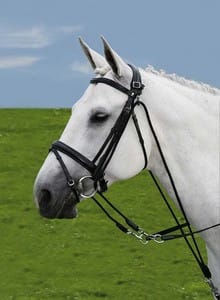
The bridle is how you communicate with your horse’s head and mouth. There are many types of bridles, from simple snaffles to more complex double bridles. For training, a well-fitting snaffle bridle is often the starting point. The choice of bit is critical and depends heavily on the horse’s sensitivity, training level, and the discipline. Common training bits include the O-ring snaffle, D-ring snaffle, and Mullen mouth snaffle. Bits should be comfortable for the horse and encourage a soft response. It’s always advisable to consult with experienced trainers or bit fitters to select the appropriate bit.
If you’re looking for resources on selecting the right gear, exploring books on training horses can provide in-depth knowledge on bridles, bits, and their proper use.
Saddles
A properly fitting saddle is paramount for both the horse’s comfort and the rider’s balance. An ill-fitting saddle can cause pain, sores, and create training issues as the horse becomes resistant to being ridden. Different disciplines require different types of saddles (e.g., jumping, dressage, western). For general training, an all-purpose saddle that allows for a secure seat and freedom of movement for the horse is a good choice. Regularly check the saddle’s fit as your horse’s condition changes.
Training Reins
Training reins are often used in conjunction with specific types of bits or saddles to encourage a more consistent contact or frame. For instance, the German martingale or running martingale helps to keep the horse’s head down, which can be useful for teaching young horses or those that tend to over-flex their necks. Laced reins offer a better grip than plain leather reins.
Specialized Training Aids
Beyond the basics, several specialized tools can aid in specific training scenarios.
Training Rings and Pens
A horse training ring, often called a round pen, is an enclosed area, typically 50-60 feet in diameter. It’s an invaluable tool for groundwork, allowing you to observe your horse’s natural behavior and establish a clear hierarchy. The confined space helps in teaching the horse to yield to pressure, move around you, and build confidence. Similarly, larger arenas or paddocks can be used for more expansive groundwork or liberty work.
Proprioception and Balance Tools
For advanced training and developing a horse’s athleticism, tools that challenge balance and proprioception can be beneficial. These might include specialized ground poles, cavaletti, or even balance discs. These aids help improve coordination, strengthen core muscles, and enhance a horse’s body awareness.
Safety First: Protective Gear
Safety is non-negotiable in horse training. Both the handler and the horse need protection.
For the Handler
Gloves are essential for a secure grip on lead ropes and reins, protecting against friction burns and improving control. Riding helmets are a must for anyone in the saddle. Protective vests can offer an added layer of safety during riding. Sturdy footwear, like riding boots with a heel, is important to prevent your foot from sliding through the stirrup.
For the Horse
While not always considered “training” equipment, protective boots or leg wraps can be essential during certain training exercises, especially lunging or work with poles, to prevent injuries. Breakaway halters are a critical safety feature for horses that may be turned out or worked in areas where they could get caught.
The Role of Expertise: Learning from the Best
Understanding how to use training equipment for horses effectively is as important as having the equipment itself. Resources like justin johns horse trainer or other reputable trainers offer insights into the application of these tools. Many experienced individuals emphasize that equipment is merely a communication aid; the true effectiveness comes from the handler’s knowledge, consistency, and understanding of equine psychology. For instance, learning about training a mustang horse often highlights the need for patience and specific techniques where the right equipment, used correctly, can be transformative.
Conclusion: Equipping for Success
Choosing the right training equipment for horses is an investment in your partnership. From the basic halter and lead rope to specialized aids like training rings, each piece plays a role in fostering clear communication, building trust, and ensuring safety. Always prioritize quality, proper fit, and your horse’s comfort. By arming yourself with the right tools and a solid understanding of how to use them, you set the stage for a successful and rewarding training journey, whether you’re working on the ground or in the saddle. Remember, the goal is not just to train a horse, but to build a relationship based on mutual respect and understanding.
