
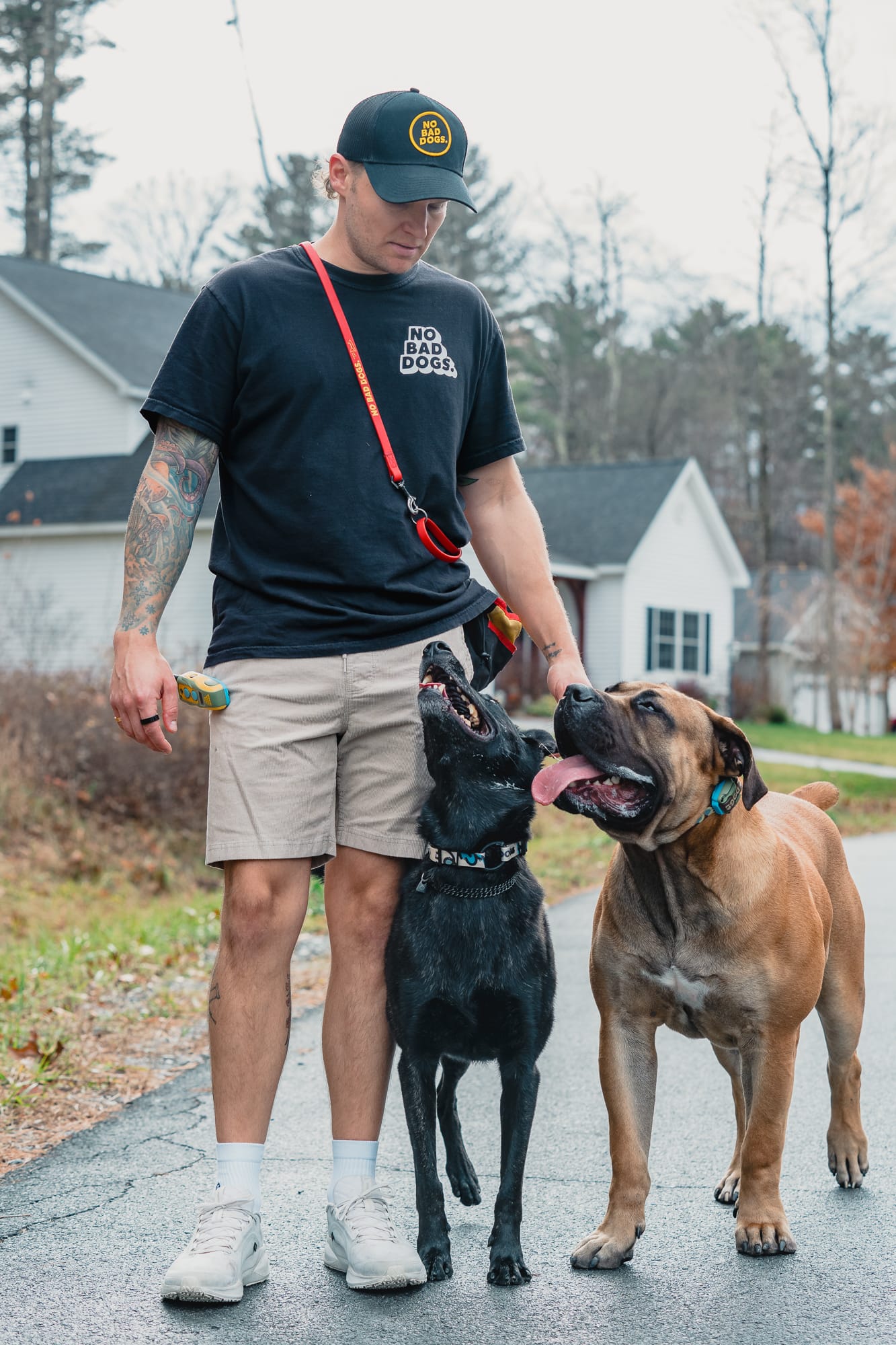
Teaching your dog to walk calmly by your side, on a loose leash, is a fundamental aspect of responsible dog ownership. This skill, often referred to as the “heel” command, not only makes walks more enjoyable but also significantly enhances safety and control. In the realm of dog training, understanding what does heal mean in dog training is the first step towards achieving this goal. It’s more than just having your dog walk next to you; it’s about establishing a partnership built on communication and trust, where your dog understands and responds to your cues willingly. This guide will delve deep into the nuances of training your dog to heel, covering everything from basic principles to advanced techniques, ensuring you can confidently guide your canine companion on pleasant and controlled outings.
Understanding the “Heel” Command: More Than Just Walking
The “heel” command in dog training signifies that your dog should walk closely beside you, typically on your left side, maintaining a loose leash. The primary goal is not to have a stiff, robotic posture from your dog, but rather a relaxed and attentive companion. The leash should have a gentle curve, indicating that there’s no tension, and your dog should be looking up at you or forward attentively. It’s a command that requires both physical positioning and mental engagement from your dog. This is distinct from simply walking on a loose leash, though the two often go hand-in-hand. A dog that heels is actively choosing to stay in position with you, understanding that this is the desired behavior. For those looking to refine this, exploring how to train your dog to heel can provide a structured approach.
The Importance of Heel Training
Why is training your dog to heel so crucial?
- Safety: A dog that heels is less likely to dart into traffic, chase squirrels across the road, or pull you over, especially if you have a strong or large breed. This is particularly important in busy environments.
- Control: It gives you greater control over your dog’s actions, allowing you to navigate crowded areas or situations where your dog might otherwise be reactive.
- Enjoyment: Walks become a more pleasant experience for both you and your dog. No more being dragged down the street or battling a stubborn pup.
- Bonding: The process of training strengthens the bond between you and your dog. It’s a collaborative effort that requires patience, consistency, and positive reinforcement.
- Etiquette: A well-behaved dog that walks nicely on a leash is a reflection of good training and is more welcome in public spaces and around other people and animals.
Preparing for Heel Training: The Foundation
Before you even begin the actual heeling exercises, there are several foundational elements to put in place. These steps ensure that you and your dog are set up for success.
Essential Gear
- Collar or Harness: A flat collar, martingale collar, or a well-fitting harness can be used. Avoid choke chains or prong collars, as they rely on pain and can create negative associations with walking. A front-clip harness can be very effective for dogs that tend to pull, as it redirects them back towards you when they surge forward.
- Leash: A standard 4-6 foot leash is ideal. Avoid retractable leashes, as they teach dogs to pull and offer less control.
- High-Value Treats: Small, soft, and extremely palatable treats that your dog absolutely loves are crucial for positive reinforcement. Think tiny pieces of chicken, cheese, or specialized training treats.
Understanding Your Dog’s Motivation
Dogs are motivated by different things. For most, it’s food, but praise, toys, or a good scratch can also serve as rewards. Identify what truly excites your dog and use it to your advantage. This is the core of positive reinforcement, a method that focuses on rewarding desired behaviors.
Basic Obedience Skills
A solid foundation in basic obedience commands like “sit,” “stay,” and “come” will make teaching “heel” much easier. These commands teach your dog to focus on you and respond to your cues, which are essential for successful heeling. If your dog is still mastering these, it might be beneficial to revisit them. Training your dog to walk next to you often builds upon these fundamental skills.
Step-by-Step Guide to Teaching “Heel”
Teaching the “heel” command is a gradual process that involves breaking down the behavior into small, manageable steps and rewarding progress consistently.
Step 1: Introducing the Concept of Walking Beside You
- Start in a Quiet Area: Begin in your home or backyard where there are minimal distractions.
- Luring: Hold a treat in your hand at your dog’s nose level and lure them to walk beside your left leg. As they move with you, say your chosen cue word (e.g., “Heel” or “Side”).
- Reward: The moment they are in the correct position, praise them enthusiastically and give them the treat.
- Short Sessions: Keep these initial sessions very short, just a few minutes long, to avoid overwhelming your dog. Gradually increase the duration as your dog gets the hang of it.
Step 2: Adding Duration and Distance
Once your dog understands the luring and is walking beside you for short periods, you can start to increase the duration and distance.
- Fewer Lures, More Rewards: Begin to reduce the amount you lure with the treat. Instead, use the lure to get them in position, then reward after a few steps.
- Increase Steps: Gradually increase the number of steps your dog walks beside you before receiving a reward. Aim for 5, then 10, then 20 steps.
- Introduce Verbal Cues: Continue to use your verbal cue (“Heel”) as they are walking beside you.
Step 3: Introducing Leash Pressure and Release
This is where you start incorporating the leash into the heeling process.
- Gentle Guidance: With the leash on, start walking. If your dog begins to pull ahead, apply gentle pressure on the leash, stop walking, and lure them back to your side with a treat.
- Reward for Slack: As soon as the leash is slack and they are in the heel position, praise and reward them.
- Consistency is Key: Every time the leash tightens, stop. Every time it’s slack and they are in position, reward. This teaches your dog that pulling stops forward movement, while heeling allows them to keep moving and get rewards.
Step 4: Gradually Adding Distractions
Once your dog is reliably heeling in a quiet environment, it’s time to introduce distractions. This is often the most challenging part of training.
- Low-Level Distractions: Start with very mild distractions, such as another person walking at a distance, or a toy placed on the ground.
- Increase Difficulty: Slowly increase the level of distraction as your dog succeeds. This might include walking past other dogs (at a safe distance initially), walking in busier parks, or encountering other common outdoor stimuli.
- Manage the Environment: If your dog gets too distracted and breaks position, calmly guide them back or even retreat to an easier environment and try again. The goal is to set your dog up for success, not to create frustration.
Step 5: Fading the Lures and Treats
As your dog becomes more proficient, you’ll want to fade the constant reliance on lures and treats.
- Intermittent Rewards: Instead of rewarding every few steps, start rewarding intermittently. Sometimes reward after 5 steps, sometimes after 10, sometimes after 20. This makes the reward more valuable.
- Variable Rewards: Alternate between treats, praise, and a quick game of tug or a favorite toy.
- Praise as Reward: Eventually, your primary reward can become enthusiastic verbal praise and a happy tone, with treats used more sporadically for particularly excellent heeling or in highly distracting environments.
Common Challenges and How to Overcome Them
Even with the best intentions, you might encounter some common hurdles in heel training.
Leash Pulling
This is perhaps the most common issue. Dogs pull for various reasons: excitement, not understanding the cue, or simply because they’ve learned that pulling gets them where they want to go faster.
- Solution: Implement the “stop and wait” method. As soon as the leash tightens, stop. Don’t move forward again until the leash slackens. Reward immediately when it does. You can also try a gentle leash-turning technique: when your dog pulls, turn 180 degrees and walk in the opposite direction. This confuses them and encourages them to pay attention to your direction.
Distractibility
Some dogs are easily sidetracked by squirrels, other dogs, people, or interesting smells.
- Solution: Gradual desensitization and counter-conditioning are key. Start training in very low-distraction environments and slowly increase the difficulty. If your dog gets distracted, calmly redirect their attention back to you. If they are too distracted to learn, move to a quieter area. Consider using higher-value treats in distracting environments.
Lack of Enthusiasm or Motivation
If your dog seems uninterested in heeling, reassess your rewards. Are they high-value enough? Is the training session too long?
- Solution: Experiment with different types of rewards. Make training sessions short, fun, and engaging. End on a positive note, even if it’s just for a few good steps. Celebrate small successes!
Dog Walked Too Far Away or Too Close
- Solution: Use luring to reposition your dog. If they are too far, use a treat to lure them back to your side. If they are too close and bumping into you, use a gentle nudge with your hand or leg to create space. Always reward when they are in the desired position.
Advanced Heel Training Techniques
Once your dog has a solid grasp of the basic heel command, you can refine it further.
Maintaining Position Through Turns and Changes in Pace
Practice making sharp turns, sudden stops, and changes in your walking speed. Your dog should be able to adjust their position fluidly without breaking the heel. Reward heavily for maintaining position through these changes.
Heeling on Different Surfaces and Environments
Test your dog’s heeling skills on various surfaces (grass, gravel, pavement) and in different environments (parks, busy streets, pet stores). This generalization is crucial for real-world reliability.
The “Place” Command
Integrating a “place” command, where your dog goes to a designated spot (like a mat or bed) and stays there, can be a useful supplement to heeling. It teaches impulse control and reinforces the idea of staying in a specific position.
Expert Tips for Successful Heel Training
Drawing from the experience of seasoned trainers can provide valuable insights. For example, nala’s ranch dog boarding & training often emphasizes consistent, positive reinforcement techniques.
- Patience and Consistency: This cannot be stressed enough. Every training session, every walk, needs to be consistent. Every family member should use the same cues and methods.
- Keep it Positive: Training should be a fun and rewarding experience for both you and your dog. Avoid punishment, which can lead to fear and anxiety.
- End on a High Note: Always try to end your training sessions with a success, even if it’s just a few good steps. This keeps your dog motivated for the next session.
- Short, Frequent Sessions: Several short training sessions throughout the day are often more effective than one long one.
- Observe Your Dog: Pay attention to your dog’s body language. If they are showing signs of stress or frustration, it’s time to take a break or simplify the exercise.
Frequently Asked Questions About Heel Training
Q1: How long does it take to train a dog to heel?
A1: The timeline varies greatly depending on the dog’s age, breed, temperament, and the consistency of training. Some dogs may grasp the basics in a few weeks, while others may take several months to achieve a reliable heel.
Q2: Can older dogs learn to heel?
A2: Absolutely! While puppies might be easier to mold, older dogs can certainly learn new tricks, including heeling. You might need to adjust your approach based on their physical condition and past experiences, but it’s definitely achievable.
Q3: What’s the difference between loose-leash walking and heeling?
A3: Loose-leash walking means the dog walks beside you without pulling, but they may wander slightly. Heeling requires the dog to be in a specific position (usually by your left side) and maintain that position attentively.
Q4: Should I use treats forever?
A4: Not necessarily. Treats are a powerful tool to establish the behavior. As your dog becomes proficient, you’ll fade the continuous treats to intermittent rewards and eventually rely more on praise, petting, and life rewards (like getting to sniff a bush).
Q5: My dog pulls on the leash constantly. What can I do?
A5: Be patient and consistent with the “stop and wait” method. Consider using a front-clip harness. Ensure you are rewarding slack leash at every opportunity. If the pulling is severe, consulting a professional dog trainer or behaviorist can provide personalized guidance.
Conclusion: The Rewarding Journey of Heeling
Mastering the “heel” command is a journey, not a destination. It requires dedication, patience, and a deep understanding of your dog’s needs and motivations. By consistently applying positive reinforcement techniques and breaking down the process into manageable steps, you can transform your walks from a battle of wills into a harmonious partnership. The result? A well-behaved companion who walks confidently by your side, enhancing safety, enjoyment, and the overall bond you share. Remember, every step you take in training your dog to heel is a step towards a stronger, more fulfilling relationship.
