
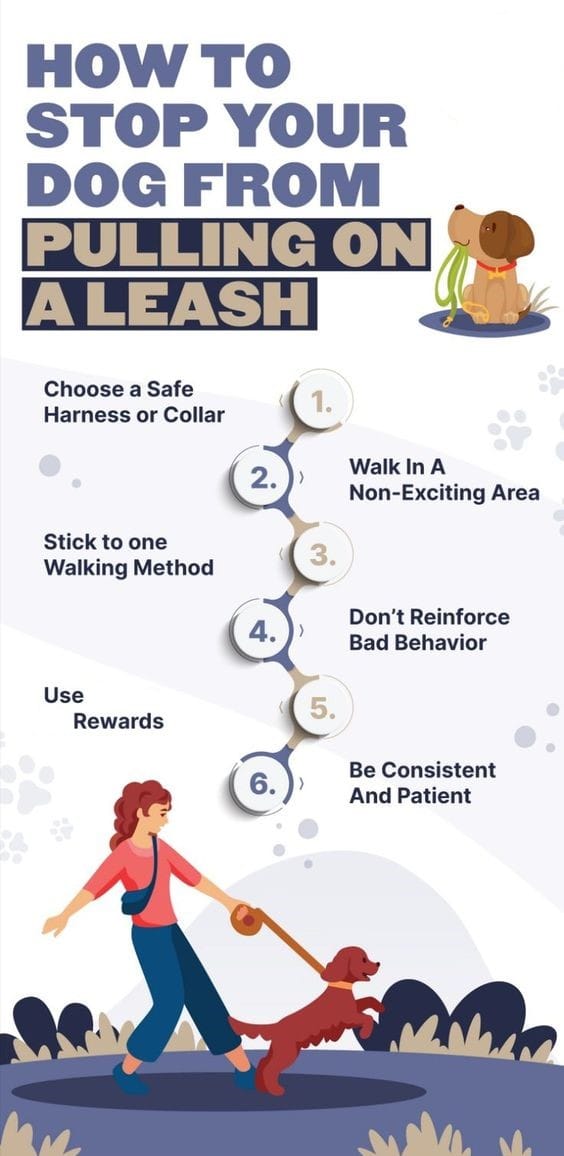
Mastering dog leash training is fundamental for a harmonious life with your canine companion. It’s not just about preventing your dog from pulling; it’s about building communication, trust, and shared enjoyment during your walks. This guide will walk you through everything you need to know to effectively train your dog on a leash, transforming walks from a struggle into a pleasure.
The Importance of Leash Training
A well-trained dog on a leash offers numerous benefits. Firstly, it ensures safety. A dog that responds to leash cues is less likely to run into traffic, chase after wildlife, or get into altercations with other dogs. Secondly, it promotes a stronger bond between you and your dog. The process of leash training involves consistent communication and positive reinforcement, which deepens your understanding and relationship. Finally, it makes walks more enjoyable for both of you. Imagine strolling through the park, your dog walking calmly by your side, without any pulling or lunging. This is achievable with the right training approach.
Understanding the Basics: What You Need
Before you begin, gather your essential tools. The right equipment can make a significant difference in your training success.
Choosing the Right Leash and Collar/Harness
- Leash: Opt for a standard 4-6 foot nylon or leather leash. Avoid retractable leashes, as they offer less control and can be dangerous.
- Collar: A flat buckle collar is suitable for dogs that don’t pull excessively. Ensure it’s snug enough that two fingers can fit underneath.
- Harness: For dogs that pull, a front-clip harness can be very effective. This type of harness redirects your dog towards you when they pull, discouraging the behavior. Back-clip harnesses can sometimes encourage pulling.
- Head Halter: Some owners find head halters, like a Gentle Leader or Halti, useful for strong pullers. These work by giving you control over your dog’s head, similar to a horse’s bridle.
Understanding Your Dog’s Motivation
Dogs pull for various reasons: excitement, frustration, a desire to explore, or simply because they’ve learned that pulling gets them where they want to go. Identifying the root cause of your dog’s pulling will help you tailor your training approach. For instance, a highly energetic dog might need more exercise and mental stimulation, while a fearful dog might be pulling out of anxiety.
The Foundation: Loose-Leash Walking Techniques
Loose-leash walking is the cornerstone of successful dog leash training. The goal is for your dog to walk beside you with a relaxed leash, without tension.
Starting Indoors: Building Good Habits Early
Begin training in a low-distraction environment, like your home.
- Attach the leash and collar/harness. Let your dog get used to wearing them.
- Stand still. Wait for your dog to relax and for the leash to go slack.
- Reward slack. The moment the leash is loose, say “Yes!” and offer a treat and praise.
- Move forward. Take one step. If the leash remains loose, reward your dog.
- Stop when they pull. If your dog pulls ahead, immediately stop walking. Stand like a tree. Do not move forward until the leash slackens.
- Resume walking. Once the leash is loose, continue walking. Repeat this process.
This method teaches your dog that pulling stops the fun (walking), while a loose leash keeps the walk going.
Transitioning Outdoors: Managing Distractions
Once your dog understands the concept indoors, gradually introduce outdoor distractions. Start in your backyard or a quiet street before moving to busier areas.
- Keep sessions short and positive. Especially when first going outside.
- Increase rewards. Outdoor environments are more exciting, so more treats might be needed initially.
- Manage expectations. Your dog will likely regress outdoors. Be patient and consistent with your training.
Advanced Techniques for Persistent Pullers
If your dog is a persistent puller, you might need to incorporate additional techniques.
The “Be a Tree” Method
This is the most fundamental technique. Whenever your dog pulls, you stop moving. Period. Don’t yank the leash, don’t scold – just stop. Only when the leash slackens do you resume walking. This teaches your dog that their pulling action has a direct consequence: the walk stops. This consistent application is key to dog pulling on leash training.
The “Red Light, Green Light” Game
This is a variation of the “Be a Tree” method.
- Green Light: You walk forward.
- Red Light: Your dog pulls, and you stop. Wait for the leash to go slack before you can move forward again (Green Light).
This game helps dogs understand the cause-and-effect relationship between their actions and the progression of the walk.
Rewarding the Right Position
Actively reward your dog when they are in the desired heel position (walking calmly by your side).
- Use high-value treats.
- Mark the behavior. Use a clicker or a verbal marker like “Yes!” the instant your dog is in the correct position.
- Reward frequently. Especially in the beginning.
This positive reinforcement strengthens the desired behavior, making it more likely to occur naturally.
Addressing Common Leash Training Challenges
Even with the best intentions, you might encounter some common hurdles.
Distractions: Other Dogs, Squirrels, People
When your dog reacts strongly to distractions, it’s usually a sign they are over-threshold.
- Increase distance. Move further away from the distraction until your dog can remain calm.
- Use high-value treats.
- Practice “Look at That” (LAT) game. When your dog notices a distraction, mark the moment they look at it and immediately give them a treat. This helps them associate the distraction with a positive outcome. If your dog is struggling with this, consider seeking help from a professional dog training phoenix trainer.
Jumping and Lunging
If your dog jumps or lunges at the end of the leash:
- Stop immediately.
- Turn around. Walk in the opposite direction.
- Reward calm behavior. As soon as they settle, reward them.
- Consider a front-clip harness. This can provide better immediate control.
For persistent issues with reactivity, professional guidance from a service like dog training hartford ct can be invaluable.
Lack of Engagement
If your dog seems uninterested in walking with you:
- Make walks more exciting. Vary your routes, play games, and incorporate training sessions.
- Use a higher-value reward.
- Ensure they are getting enough exercise. A tired dog is often a more compliant dog. Exploring options like a dog training day camp might be beneficial.
The Role of Professional Training
Sometimes, despite your best efforts, you might need professional help. A certified dog trainer can assess your dog’s specific behavior and provide tailored solutions. They can offer personalized advice, demonstrate techniques, and help you overcome challenging situations. For those looking for structured learning, exploring best dog training videos youtube can supplement in-person training.
Conclusion: Enjoying Every Step
Leash training your dog is an investment in a happier, safer, and more connected relationship. It requires patience, consistency, and a positive attitude. By understanding your dog’s needs and applying effective training techniques, you can transform your walks into a joyful experience for both of you. Remember, every step forward in training is a step towards a stronger bond and a more harmonious life together.
