
Welcome to the world of crate training, a journey that can transform your relationship with your furry companion. If you’re new to the concept, the idea of putting your dog in a crate might seem a bit daunting, but training a dog in a crate is one of the most effective tools for managing, training, and providing a secure space for your pet. This isn’t about punishment; it’s about providing your dog with a personal den, a sanctuary where they can feel safe and relaxed. Think of it as their very own bedroom. With patience and positive reinforcement, you can teach your dog to love their crate, making everything from house-training to travel significantly easier. This comprehensive dog crate training guide will walk you through every step of the process.
The core principle is to create a positive association with the crate. Your dog should see it as a high-value location filled with comfort, tasty treats, and favorite toys. It’s a foundational skill that helps in preventing destructive behaviors, simplifies potty training, and ensures their safety when you can’t supervise them directly. Whether you have a brand-new puppy or an older rescue dog, the right approach can make all the difference.
Why Crate Training is a Game-Changer
Many new dog owners wonder about the purpose behind crate training. The truth is, when done correctly, it leverages a dog’s natural denning instinct. Wild canids seek out small, enclosed spaces for safety and comfort. A crate mimics this environment in your home, providing a sense of security that is deeply ingrained in their DNA.
Here are some of the key advantages:
- Safety and Security: A crate keeps your dog out of trouble when you aren’t around. This means no chewed-up shoes, damaged furniture, or accidental ingestion of harmful items. It’s a safe haven during stressful events like thunderstorms or fireworks.
- Effective House-Training: Dogs have a natural instinct not to soil their sleeping areas. A properly sized crate is an invaluable aid for potty training, as it teaches them to hold it until you let them out.
- Travel Made Easy: A crate-trained dog is a better travel companion. Whether you’re visiting the vet, going on a road trip, or flying, the crate provides a familiar and safe space for them, reducing travel anxiety for everyone.
- Peace of Mind: Knowing your dog is safe, secure, and comfortable when you’re away from home is priceless. This is one of the primary benefits of crate training a dog that owners appreciate most.
As veterinary behaviorist Dr. Sarah Miller often says, “A crate is not a cage. It’s a tool for providing structure and security. When a dog learns to see their crate as their personal den, it becomes a place of ultimate comfort and safety, not confinement.”
Choosing the Perfect Crate: Size and Style
Before you begin training a dog in a crate, you need the right equipment. The market is filled with options, primarily wire and plastic crates. Wire crates offer better ventilation and visibility, and many come with dividers to adjust the size as your puppy grows. Plastic crates are often cozier and are required for air travel.
The most critical factor is size. The crate should be large enough for your dog to stand up, turn around, and lie down comfortably in a natural position. However, it should not be so large that they can use one end as a bathroom and the other as a sleeping area. This would defeat the purpose of using it for house-training. If you have a puppy, choose a crate that will fit them as an adult and use a divider to restrict the space while they are small.
The Step-by-Step Guide to Training a Dog in a Crate
Patience is your best friend during this process. Every dog learns at a different pace. The key is to make every interaction with the crate a positive one. Never force your dog inside or use the crate for punishment.
### Step 1: Making the Crate a Happy Place
The first step is to introduce the crate as a wonderful place. Place it in a common area of the house, like the living room, where the family spends time. Leave the door securely open and let your dog explore it on their own terms. Make it inviting by placing a comfortable bed, blankets, and a special toy inside.
Throughout the day, randomly toss high-value treats near the crate, then inside it. Let your dog go in, get the treat, and come right back out. Don’t make a big deal out of it. This exercise, often called “crate games,” builds a positive association and is one of the most effective dog crate training tips you can use.
### Step 2: Introducing Meals in the Crate
Once your dog is comfortable entering the crate for treats, start feeding them their meals inside. At first, place the food bowl just inside the door so they only have to put their head in to eat. As they become more comfortable, gradually push the bowl toward the back of the crate. The goal is for them to stand entirely inside the crate to eat their meal.
### Step 3: Closing the Door
After your dog is happily eating their meals inside the crate, you can start closing the door. The first few times, close it while they are eating and open it as soon as they finish. Gradually, start leaving the door closed for a few minutes after they’ve finished their meal. Stay in the room with them initially so they don’t feel abandoned.
### Step 4: Extending the Time
When your dog can comfortably stay in the crate with the door closed for a few minutes, you can begin extending the duration. Start with short periods while you are home. Ask your dog to go into the crate, give them a special “crate-only” chew toy (like a puzzle toy stuffed with peanut butter), and close the door. Sit quietly in the room for 5-10 minutes, then leave for a few minutes before returning.
When you return, be calm. Don’t make a huge fuss, as this can create excitement and anxiety around your departure and arrival. Lengthen the periods you are away gradually. The key is to always return before your dog becomes anxious.
Common Crate Training Hurdles and How to Overcome Them
It’s not always a smooth ride. Some dogs will whine, bark, or show signs of distress. It’s crucial to address these issues calmly and consistently.
### What if my dog is whining or barking?
First, determine the cause. Is it a demand for attention, or is it a sign of genuine distress? If a puppy has been quiet and suddenly starts whining, they may need a potty break. However, if they are barking for attention, you must ignore it. Waiting for a brief moment of silence before opening the door teaches them that being quiet gets them what they want. Dealing with this specific issue is a common challenge, and understanding the nuances of crate training dog barking is essential for success.
### What if my dog refuses to enter the crate?
Never force them. Go back a step. Make the crate irresistible again with high-value treats and fun games. Ensure the crate is comfortable and not associated with anything negative. Patience here is non-negotiable; building that positive foundation is everything.
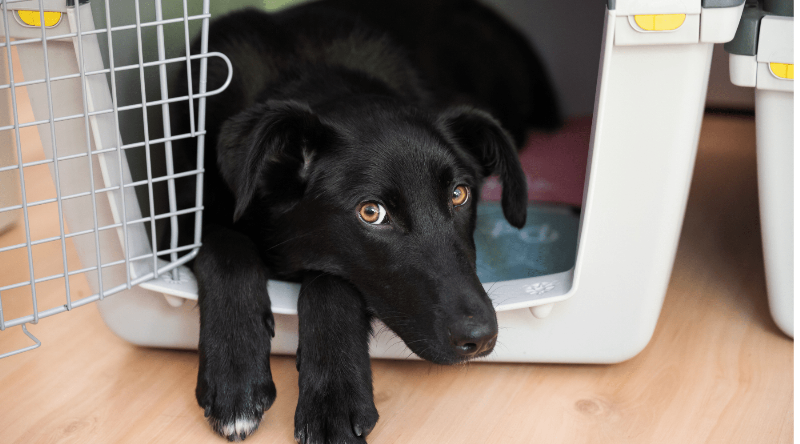 A beagle happily lying down inside its crate with the door open, chewing on a favorite toy, showing a successful outcome of training a dog in a crate.
Crate Training at Night
Once your dog is comfortable in the crate for short periods during the day, you can start training a dog in a crate at night. For the first few nights, it’s helpful to place the crate in your bedroom or nearby. This helps your dog feel secure and allows you to hear them if they need a potty break.
Establish a consistent bedtime routine. Take your dog out for a final potty break right before bed. Lead them to their crate and give them a small treat and a cue word like “bedtime.” Make sure they are tired and ready for sleep. A common question for new owners is about navigating the nighttime hours, and a solid strategy for dog crate training at night can lead to restful nights for both of you. Most puppies can’t hold it all night, so be prepared to take them out once or twice.
Frequently Asked Questions (FAQ)
### How long can I leave my dog in a crate?
This depends on their age, temperament, and training level. A general rule is one hour per month of age plus one for puppies (e.g., a 3-month-old puppy can hold it for about 4 hours). Adult dogs should not be left for more than 6-8 hours at a time, and never without a proper potty break.
### What should I put in my dog’s crate?
Make it comfortable with soft, durable bedding that they won’t chew up. Provide safe toys, especially puzzle toys that can keep them occupied. Always ensure they have access to fresh water, using a crate-mounted water bottle or bowl.
### Can I use the crate for punishment?
Absolutely not. The crate must always be a positive, safe space. Using it for punishment will create fear and anxiety, undoing all your hard work and potentially leading to severe behavioral issues.
### My rescue dog hates the crate. What can I do?
An older dog, especially a rescue, may have a negative history with crates. The process may be slower and require more patience. Start from the very beginning, as if they were a puppy, focusing intensely on creating positive associations with high-value rewards.
### Should I cover my dog’s crate?
Many dogs enjoy the extra sense of security a cover provides, as it enhances the den-like feel. You can use a specific crate cover or a simple blanket. Just ensure there is still adequate ventilation and that your dog doesn’t pull the cover inside and chew on it.
Your Journey to a Happier Dog
Ultimately, training a dog in a crate is an investment in your dog’s well-being and your peace of mind. It’s a skill that provides lifelong benefits, creating a well-adjusted, secure, and happy companion. Remember to stay patient, remain positive, and celebrate the small victories along the way. Your dog will thank you for providing them with a special space they can truly call their own.
