
Bringing two dogs into your life is a rewarding experience, but it also doubles the training challenge. One of the tools that can assist in this journey is a training collar. When selecting a training collar for two dogs, it’s crucial to understand the different types available, how they work, and how to use them effectively and humanely. This guide will walk you through everything you need to know to make informed decisions for your multi-dog household.
Understanding Training Collars: More Than Just a “Collar”
The term “training collar” can conjure up negative images, but modern training tools are designed with humane principles and effective behavior modification in mind. They are not meant to inflict pain but to provide clear communication signals to your dogs.
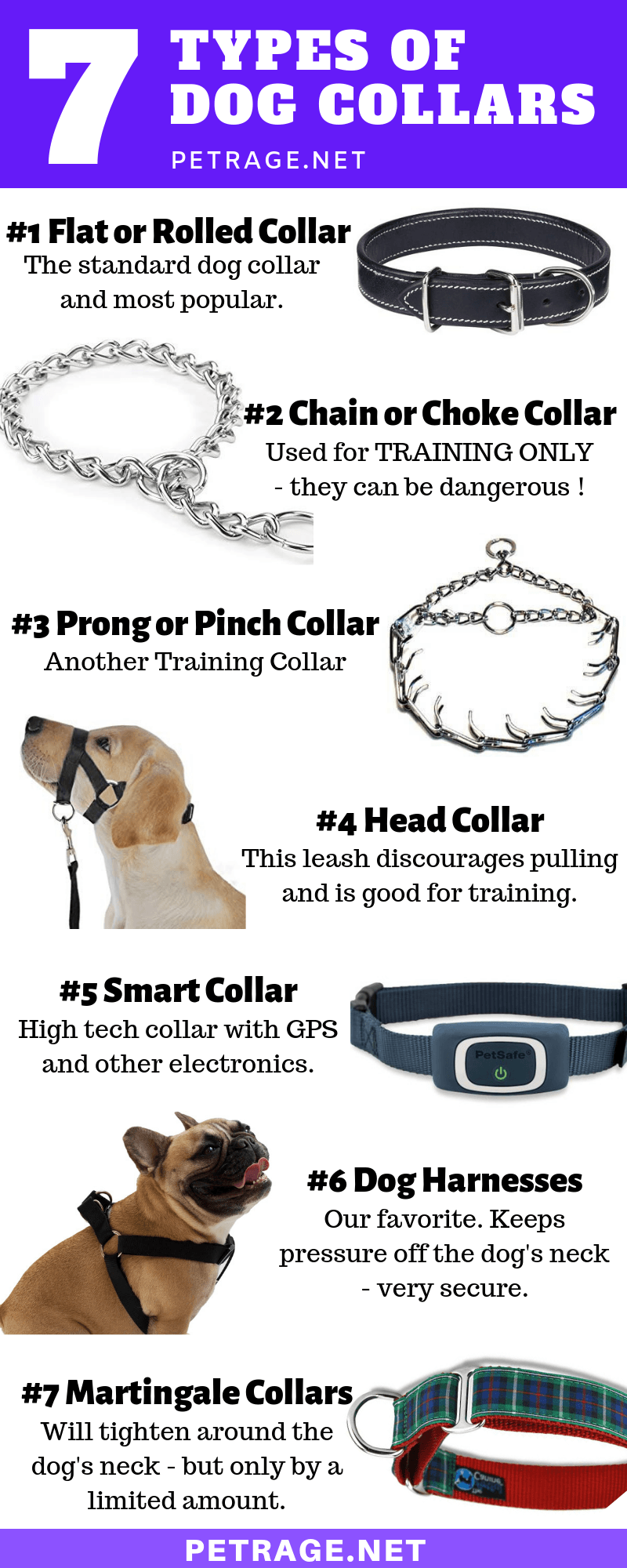
Types of Training Collars
- Martingale Collars (Limited Slip Collars): These collars are designed to tighten slightly when the dog pulls, preventing them from slipping out of the collar, but they don’t choke. They offer a gentle reminder and are excellent for dogs with slender heads.
- Head Halters (e.g., Gentle Leader, Halti): These work like a horse’s halter, guiding the dog’s head and thus their body. When the dog pulls, their head is gently turned towards you, discouraging pulling. They are highly effective for strong pullers.
- Front-Clip Harnesses: While not technically a collar, these harnesses have a leash attachment point on the dog’s chest. When the dog pulls, they are gently turned back towards you, reducing pulling power. They are a great no-choke option.
- Remote E-Collars (Electronic Collars): These collars provide a vibration, tone, or mild static stimulation as a correction. They are controversial and require expert knowledge for safe and ethical use. They should never be used without proper training and understanding. Remote e-collars are often used for off-leash training or to correct persistent behavioral issues. For those interested in advanced training techniques, resources on how to train a dog off the lead can provide valuable insights.
- Prong Collars (Pinch Collars): These collars have blunt metal prongs that exert pressure on the dog’s neck when they pull. They can be effective for strong pullers but require precise fitting and knowledgeable use to avoid injury. Many trainers now favor alternative methods.
Choosing the Right Training Collar for Two Dogs
The most important factor when choosing training collars for multiple dogs is that each dog is an individual. What works for one might not work for the other.
Considerations for Each Dog
- Temperament and Personality: Is one dog more sensitive than the other? A less sensitive dog might tolerate a firmer correction, while a more timid dog would require a gentler approach.
- Breed and Physical Build: Different breeds have different neck sizes, shapes, and sensitivities. A sighthound with a narrow head will need a different type of collar than a bulldog with a broad, short neck.
- Training Goals: Are you working on basic leash manners, advanced obedience, or addressing specific behavioral issues? The collar choice should align with your training objectives.
- Physical Health: Ensure your dogs do not have any pre-existing neck or respiratory conditions that could be exacerbated by certain types of collars. Always consult your veterinarian if you have concerns.
Dual-Dog Considerations
- Consistency: It’s vital to be consistent in your training approach with both dogs, even if they use different equipment.
- Leash Management: Managing two leashes attached to two dogs can be challenging. Consider a dual-dog coupler or a hands-free leash system, especially if you’re using head halters or front-clip harnesses.
- Simultaneous vs. Individual Training: You might need to train them individually at first before working on their combined obedience. This is where a good understanding of dog obedience training fredericksburg va or similar local resources can be invaluable for personalized guidance.
Effective and Humane Use of Training Collars
Proper usage is paramount to ensure the safety and well-being of your dogs.
Fitting is Key
An improperly fitted collar can be ineffective or even harmful.
- Martingale/Limited Slip: Should be snug enough that it won’t slip over the head but loose enough to allow two fingers to fit comfortably between the collar and the dog’s neck when not tightened.
- Head Halters: The nose loop should be snug but allow for comfortable movement. The neck strap should fit like a regular flat collar.
- Front-Clip Harnesses: Adjust the straps so the harness is secure but doesn’t restrict movement or chafe the skin.
- E-Collars/Prong Collars: These require precise fitting according to manufacturer instructions and professional guidance.
Introducing New Collars
- Positive Association: Let your dogs wear their new collars for short periods indoors, associating them with treats, praise, and positive experiences.
- Gradual Introduction: Don’t immediately attach a leash and go for a long walk. Start with brief outings and monitor their reactions.
Understanding Correction Levels
- Least Intrusive First: Always start with the least intrusive method. A gentle tug on a leash with a head halter or front-clip harness should be the first step before considering any form of static stimulation.
- Clear Communication: The goal is communication, not punishment. Your dog should understand why they are receiving a signal. This is where consistent training and understanding of canine body language are crucial. For instance, if you’re working on dog training conway ar specific issues, the local trainers will emphasize clear communication.
- Avoid Over-Correction: Never use a training collar in anger or frustration. This can create fear and anxiety in your dogs.
When to Seek Professional Help
If you’re struggling with training two dogs, or if you’re considering using more advanced tools like e-collars or prong collars, consulting a certified professional dog trainer or behaviorist is highly recommended. They can assess your dogs’ needs, demonstrate proper techniques, and help you choose the best equipment. They can also advise on whether a specific tool, like a training shock collar for dogs, is appropriate for your situation.
Common Mistakes to Avoid
- Using a One-Size-Fits-All Approach: As mentioned, each dog is unique.
- Punishment Over Positive Reinforcement: While training collars provide correction, they should be part of a balanced training plan that heavily emphasizes positive reinforcement for desired behaviors.
- Leaving Collars On Unattended: This can lead to accidents, where the collar gets caught on something.
- Incorrect Fit: This can cause discomfort, chafing, or ineffective training.
- Using Collars as a Crutch: Training collars are tools to aid in training, not a substitute for consistent effort, socialization, and building a strong bond with your dogs. Resources on dog training springfield ma often highlight the importance of a holistic approach.
Alternatives to Traditional Training Collars
It’s worth noting that many training challenges can be overcome with positive reinforcement techniques alone.
- Clicker Training: Using a clicker to mark desired behaviors, followed by a reward, is highly effective.
- Lure-Reward Training: Using a treat or toy to guide your dog into a desired position.
- Behavior Management: For issues like jumping or excessive barking, management strategies (e.g., gating off certain areas, teaching an alternative behavior) can be very effective.
Conclusion: Empowering Your Pack
Training two dogs requires patience, consistency, and the right tools. Training collars, when used correctly and humanely, can be valuable aids in establishing clear communication and good behavior. Always prioritize your dogs’ well-being, understand their individual needs, and never hesitate to seek professional guidance. By combining the right equipment with positive training methods, you can foster a harmonious relationship with your canine companions and fully enjoy the journey of raising a well-behaved pack.
