
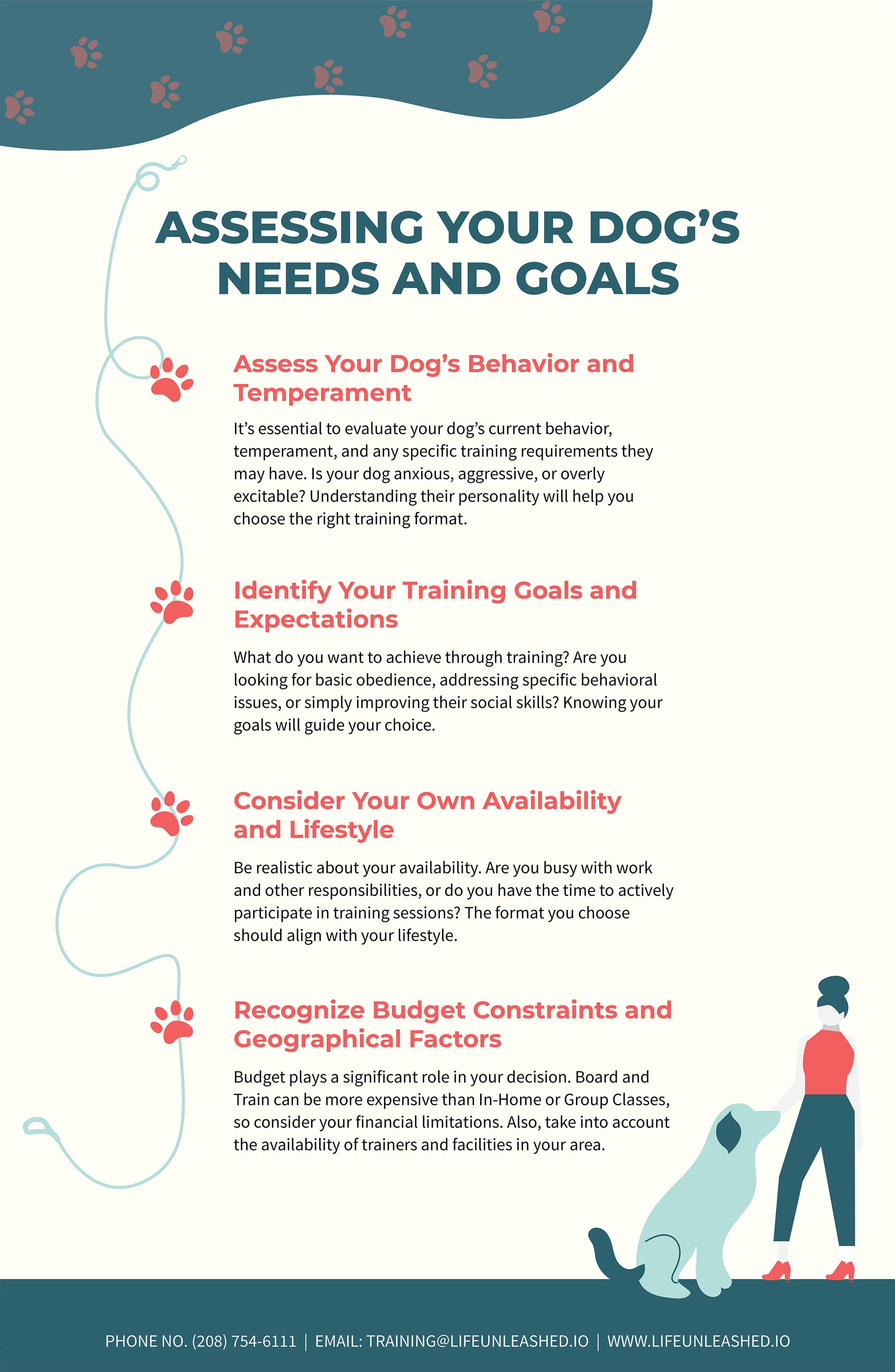
Embarking on the journey of dog ownership is incredibly rewarding, and one of the most crucial steps in ensuring a happy, well-behaved companion is enrolling them in a quality Training Class For Dogs. Whether you’ve just welcomed a bouncy puppy into your home or are looking to refine the manners of an older dog, a structured training environment offers invaluable benefits for both of you. This guide will walk you through everything you need to know to find the ideal training class for dogs, helping you unlock your dog’s full potential and strengthen your bond.
Why Invest in a Dog Training Class?
You might be wondering if a formal training class for dogs is truly necessary. While some dogs may pick up commands through sheer owner effort, a professional setting offers advantages that are hard to replicate at home.
- Socialization: Properly socialized dogs are more confident and less likely to develop fear-based aggression or anxiety. Classes provide a controlled environment for your dog to interact with other dogs and people.
- Professional Guidance: Certified trainers possess a deep understanding of canine behavior and can offer personalized advice and effective solutions to training challenges.
- Obedience Skills: Basic obedience commands are the foundation of good behavior. A training class for dogs will teach essential cues like sit, stay, come, and leave it, which are vital for safety and management.
- Problem Solving: Many owners struggle with specific issues like jumping, excessive barking, or leash pulling. Trainers are skilled at identifying the root causes of these behaviors and implementing strategies to correct them.
- Strengthening Your Bond: Training is a collaborative effort. Working together in a class fosters communication, trust, and a deeper connection between you and your dog.
Understanding Different Types of Dog Training Classes
The world of dog training is diverse, with various methodologies and class structures available. Understanding these options will help you select the best fit for your dog’s needs and your learning style.
Puppy Kindergarten/Basic Obedience
This is often the first step for young dogs, typically starting around 8-12 weeks of age. Puppy classes focus on foundational skills like:
- House training
- Bite inhibition
- Socialization with other puppies and people
- Introduction to basic commands like sit, down, and come.
Many classes will also cover common puppy behaviors and offer advice on puppy-proofing your home. For example, understanding how to introduce your puppy to new experiences safely is a key component of early socialization. This is where the groundwork for future success is laid, and early enrollment can prevent many common behavioral issues.
Advanced Obedience and Specialty Classes
Once your dog has mastered the basics, or if you have a specific goal in mind, consider more specialized training classes for dogs:
- Advanced Obedience: Builds upon basic commands, introducing more complex sequences and longer durations of stays.
- Canine Good Citizen (CGC): A program by the American Kennel Club (AKC) that tests a dog’s manners in everyday situations. Passing the CGC test is a great stepping stone to therapy dog work.
- Agility: An exciting sport where dogs navigate an obstacle course. It’s a fantastic way to provide physical and mental stimulation.
- Rally Obedience: Combines elements of obedience and agility, where dog and handler progress through a course of obedience stations.
- Trick Training: A fun way to teach your dog impressive tricks, further enhancing their cognitive abilities and your bond.
- Scent Work: Utilizes a dog’s natural sense of smell to find hidden scents, providing excellent mental enrichment.
- Protection Sports: For suitable breeds and handlers, these classes focus on controlled protection training.
For those dealing with specific behavioral challenges, specialized training classes for dogs are invaluable. Classes like training classes for reactive dogs or dog training classes for reactive dogs are specifically designed to help dogs who may be fearful, anxious, or overly excitable around other dogs or people. These programs typically employ positive reinforcement techniques in a carefully managed environment to build confidence and improve impulse control.
Choosing the Right Training Class: Key Factors to Consider
Selecting the appropriate training class for dogs requires careful consideration of several factors to ensure a positive and productive experience for both you and your canine companion.
Trainer Qualifications and Philosophy
The trainer’s expertise and approach are paramount. Look for:
- Certifications: Reputable certifications include the Certification Council for Professional Dog Trainers (CCPDT) or the Karen Pryor Academy (KPA).
- Experience: How long have they been training, and what specific experience do they have with the types of issues you might encounter?
- Training Method: The most effective and humane methods utilize positive reinforcement – rewarding desired behaviors with treats, praise, or toys. Avoid trainers who rely on harsh corrections, intimidation, or force, as these can damage your dog’s trust and lead to fear or aggression. A good trainer will be able to explain their methods clearly and answer your questions about them.
Class Size and Structure
A smaller class size generally allows for more individual attention. Consider:
- Student-to-Dog Ratio: More dogs per trainer can mean less personalized feedback.
- Class Length and Frequency: Are the sessions long enough to cover material but short enough to keep your dog engaged? How often do the classes meet?
- Curriculum: Does the class cover the skills you want to learn? Does it align with your goals?
Location and Schedule
Convenience plays a role in your ability to attend regularly.
- Proximity: Is the facility within a reasonable driving distance?
- Timing: Does the class schedule fit with your work and personal commitments?
Facility Environment
The training space itself is important.
- Cleanliness: Is the training area clean and well-maintained?
- Safety: Are there adequate safety measures in place to prevent accidental escapes or altercations between dogs?
- Distractions: Is the environment controlled enough to allow dogs to focus, or is it overly stimulating?
Preparing for Your Dog Training Class
Once you’ve chosen a training class for dogs, a little preparation can go a long way in ensuring success.
Gather Essential Supplies
- High-Value Treats: Small, soft, and highly palatable treats that your dog loves.
- Leash and Collar/Harness: A standard 6-foot leash is usually recommended. Ensure your dog’s collar or harness fits properly and is secure.
- Water Bowl: Especially for longer sessions.
- Poop Bags: Always be prepared to clean up after your dog.
- Towel or Mat: Some dogs feel more secure on their own familiar surface.
Practice at Home
Before your first class, start practicing basic commands like “sit” and “stay” in a low-distraction environment at home. This will give your dog a head start and build their confidence. You can also begin incorporating recall practice, which is critical for safety. For instance, using toys like a duck dog training toy can make recall practice more engaging for your dog.
Manage Your Dog’s Energy Levels
Ensure your dog has had adequate exercise before class, but isn’t completely exhausted. A dog that is too tired won’t be able to focus, while one with pent-up energy may be overly stimulated.
Maximizing Your Training Class Experience
Your participation and consistency are key to achieving results from any training class for dogs.
Be Present and Engaged
Put away your phone and focus on your dog and the trainer’s instructions. Ask questions if you’re unsure about something.
Practice Consistently Between Classes
The real learning happens outside the classroom. Dedicate 10-15 minutes each day to practicing the skills learned in class. This consistent reinforcement is what solidifies the training. This is where resources like petco training classes for dogs or exploring potty training classes for dogs near me can offer ongoing support and practice opportunities.
Stay Positive
Training takes time and patience. Celebrate small successes and don’t get discouraged by setbacks. Every dog learns at their own pace. Remember that even experienced trainers face challenges, and persistence is crucial.
Understand Your Dog’s Limits
Don’t push your dog too hard, especially in a new environment. If your dog seems overwhelmed or stressed, take a break or communicate with the trainer. For owners of dogs with specific behavioral needs, seeking out training classes for reactive dogs can provide a more tailored and supportive environment.
The Lifelong Journey of Learning with Your Dog
Enrolling in a training class for dogs is an investment in your dog’s well-being and your relationship. It equips you with the knowledge and skills to navigate the challenges of dog ownership with confidence. From mastering basic obedience to exploring advanced activities, the benefits extend far beyond the classroom, fostering a well-adjusted, happy dog and a stronger, more harmonious bond between you. Remember, every dog is an individual, and the journey of learning and growth is ongoing. By committing to consistent training and positive reinforcement, you’ll be well on your way to a lifetime of wonderful adventures with your beloved canine companion.
