
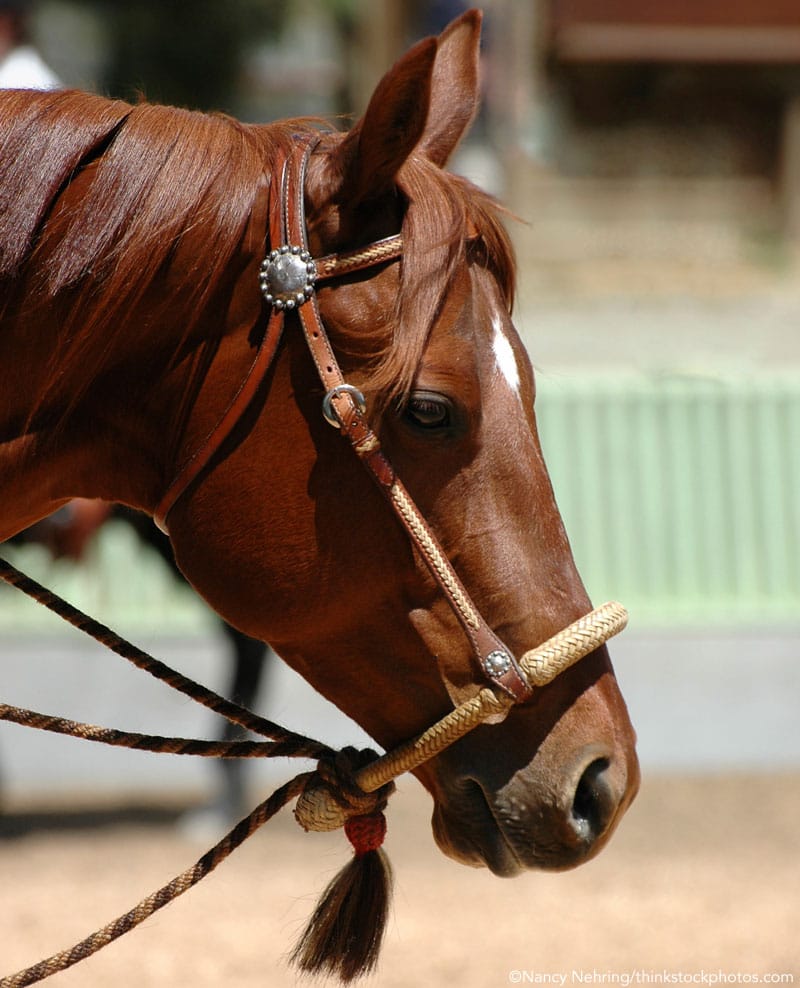
The world of horsemanship is rich with tradition, artistry, and a deep connection between horse and rider. Few pieces of equipment embody this heritage more than the bosal. For those seeking a refined communication method that steps away from the conventional bit, understanding the Training Bosal For Horses is a journey into the heart of vaquero tradition and subtle horsemanship. It’s more than just a piece of tack; it’s a tool for developing a responsive, light, and willing partner.
A bosal is a braided rawhide or leather noseband that is part of a bitless bridle system known as a hackamore. Paired with a hanger (headstall) and a specific type of rope reins called a mecate, it communicates with the horse through gentle pressure on the nose, jaw, and chin, rather than the mouth. This method is foundational in the early training of many Western horses, promoting softness and understanding from the ground up.
The Heritage and Function of the Bosal
Rooted in the traditions of the Spanish vaqueros, the bosal has been a preferred tool for centuries, proven effective when used with skill and patience. Its design is simple but its application is nuanced. The entire system—bosal, hanger, and mecate—is collectively known as a hackamore. The bosal itself does the primary communication, working on a sophisticated pressure-and-release system.
When a rider lifts or moves a rein, the bosal makes contact with the horse’s nose or jaw. The horse learns to move away from this pressure. As soon as the horse responds correctly, the rider releases the rein, and the pressure vanishes. This immediate reward is crucial; it teaches the horse to seek the release, making them more attentive to the rider’s subtle cues. Over time, this fosters incredible lightness and responsiveness, creating a horse that operates from understanding, not force.
According to Dr. Sarah Miller, an equine behavior specialist, “The bosal is an exceptional tool for teaching a horse self-carriage. Because it doesn’t provide a constant crutch like a bit can, the horse must learn to carry itself in a balanced and natural frame, which is the foundation of advanced horsemanship.”
Choosing the Right Training Bosal
Not all bosals are created equal. They vary in material, stiffness, diameter (number of plaits), and core. For a horse just starting its journey with this tool, the choice is critical.
Materials and Craftsmanship
A high-quality training bosal for horses is typically made from braided rawhide. The quality of the rawhide and the skill of the braider significantly impact how the bosal functions. A well-made bosal will have a smooth surface to prevent chafing and a balanced feel, with a heavier heel knot at the bottom to help it fall away quickly when the reins are released.
Core and Stiffness
The core of the bosal determines its rigidity.
- Rawhide Core: These are stiffer and are often used for greener horses. The stiffness provides a clearer, more defined signal, which is easier for an inexperienced horse to understand.
- Twisted Rope or Leather Core: These offer more flexibility and are typically used as a horse progresses in its training and becomes more responsive to lighter cues.
A good starting point for a young horse is often a 5/8-inch or 3/4-inch bosal. This size provides enough surface area to distribute pressure comfortably without being too severe, yet it’s firm enough to send a clear signal.
How to Properly Fit a Training Bosal
A correct fit is non-negotiable for the bosal to work effectively and humanely. An ill-fitting bosal can cause discomfort, rub sores, and send confusing signals to your horse.
Step-by-Step Fitting Guide
- Positioning on the Nose: The bosal should rest on the bridge of the horse’s nose, typically about one to one-and-a-half inches above the nostrils. It must sit above the soft cartilage to avoid restricting breathing or causing pain, but below the prominent cheekbones.
- Adjusting the Hanger: The hanger, or headstall, holds the bosal in place. Adjust it so the bosal is stable but not pulled tight against the horse’s face. It should not be so low that it bumps against the horse’s jaw constantly, nor so high that it loses its intended action.
- The Mecate Wrap: The mecate (the 22-24 foot rope rein) is tied around the heel knot of the bosal. The number of wraps helps adjust the fit. Typically, one or two wraps are sufficient. There should be enough space to easily slide a finger or two between the bosal’s bars and the horse’s jaw. The bosal should hang loosely when no pressure is applied to the reins.
Expert Tip: “The key to a good bosal fit is balance,” notes seasoned trainer Javier Reyes. “When you release the reins, the weight of the heel knot should allow the bosal to instantly drop away from the jaw. This immediate release is the horse’s reward and is what teaches them to be light.”
Introducing Your Horse to the Bosal
Transitioning to a bosal should be a gradual and thoughtful process. It’s not a tool you can simply put on and expect the horse to understand.
Groundwork is Essential
Start on the ground. This allows your horse to feel the bosal’s action without the added complexity of a rider’s weight and balance.
- Flexion: With the mecate lead, ask your horse to flex its head gently from side to side. Apply steady pressure and the moment your horse gives, release completely.
- Leading and Backing Up: Lead your horse, using gentle bumps on the lead rope to ask for stops and backing up. Reward every correct response with an immediate release.
First Rides
For the first few rides, keep things simple. Focus on basic maneuvers you established on the ground.
- Use a Direct Rein: Hold your hands wide, about the width of your hips, and use a direct rein to guide your horse. To turn right, move your right hand to the right, creating pressure on the left side of the horse’s nose and jaw. The horse will learn to move its head away from that pressure.
- Keep it Rhythmic: Avoid a steady, hard pull. The bosal is designed to work with a rhythmic “bumping” or rocking motion. This prevents the horse from leaning on it and becoming dull or heavy.
- Focus on Release: Your primary goal is to find the point of release. As soon as your horse tries to follow the feel, release all pressure. This is how you build a soft, responsive partner.
Common Mistakes to Avoid
Using a training bosal for horses effectively requires finesse. Here are common pitfalls to steer clear of:
- Poor Fit: The most common error. A bosal that is too low, too tight, or too loose will be ineffective and uncomfortable for the horse.
- Constant Pulling: Unlike a snaffle bit, the bosal is not designed for constant contact. Pulling steadily will numb the horse’s face and teach them to brace against the pressure.
- Harsh Hands: Jerking or snapping the reins is abusive with any equipment, but especially with a bosal, which applies pressure to sensitive areas. Always use soft, gentle hands.
- Rushing the Process: A horse needs time to understand the language of the bosal. Rushing the training will only create confusion and resistance.
Frequently Asked Questions (FAQ)
What is the difference between a bosal and a hackamore?
A bosal is the nosepiece component. A hackamore is the complete setup, which includes the bosal, the hanger (headstall), and the mecate (reins).
Can any horse be trained in a bosal?
Most horses respond well to a bosal when it is introduced correctly by a skilled horseperson. It is particularly well-suited for starting young horses before a bit is introduced, or for horses that have mouth issues or are resistant to bits.
How stiff should my first training bosal be?
For a young or green horse, a medium-stiff bosal is generally recommended. It provides a clear signal that is easier for the horse to understand. As the horse becomes more refined, you can move to a softer, more flexible bosal.
How long does it take to train a horse with a bosal?
There is no set timeline. It depends on the horse’s temperament, previous training, and the skill of the handler. The journey in the hackamore is a process that can take years to master, progressing from the bosal to the two-rein, and finally to riding “straight up in the bridle.”
Why is the mecate rein so long?
The mecate is traditionally 22-24 feet long. It is tied to the bosal to create both a loop of reins and a long lead rope. This is highly practical, especially in ranch work where a rider might need to dismount and lead or tie their horse.
The Journey to Finesse
Embracing the training bosal for horses is about more than just bitless riding; it is a commitment to a higher level of horsemanship. It demands patience, timing, and a deep understanding of how horses learn through pressure and release. By mastering this tool, you are not just training your horse; you are participating in a rich tradition that celebrates the ultimate connection between horse and rider, built on a foundation of trust and light, subtle communication.
