
Choosing the right bit is crucial for effective communication and control when riding and training horses. Bits are designed to convey cues from the rider to the horse through pressure in and around its mouth, influencing both speed and direction. The selection process is multifaceted, influenced by riding style, tradition, the rider’s skill level, the horse’s training, and its intended use. For instance, Western disciplines often favor curb bits for one-handed riding, while English disciplines like hunt seat typically use snaffles with two-handed control. Inexperienced horses or riders may struggle with certain bits, leading to adverse reactions or ineffective communication. This guide aims to demystify bit selection for novice riders, offering insights into bit construction and fundamental principles of use. Continuous learning through hands-on instruction from experienced professionals and by consulting available resources is highly encouraged to deepen understanding and achieve riding goals. For those interested in specific training techniques, understanding how bits are used in foundational training can be particularly insightful, such as with the use of hackamores in the early stages of a horse’s development.
Key Bit Terminology Explained
A foundational understanding of bit construction is essential. Here are some commonly used terms:
- Bars: The section of the mouthpiece situated between the shank and the port. When the headstall is adjusted correctly, the bars rest on the horse’s lower gum area, between the front and back teeth.
- Bosal: A noseband component of a hackamore, typically made from braided rawhide around a core. Bosals are frequently used on young or inexperienced horses and are often referred to as “breaking hackamores.”
- Bridle Bit: A general term for any bit that applies curb or leverage pressure.
- Broken Mouthpiece: A mouthpiece that is hinged or jointed, most commonly with a single joint.
- Chin (curb) Strap: A leather or chain strap attached to the shanks of a curb bit, positioned under the horse’s chin. It provides the lower point of pressure when reins are applied to curb bits. Most show organizations mandate a minimum width of 1/2 inch, and it should lie flat against the jaw. Proper adjustment allows for pressure release when reins are slack.
- Curb Bit: Characterized by a mouthpiece and shanks. The headstall attaches to the upper shanks, and reins to the lower shanks, creating leverage. Applying rein pressure results in the mouthpiece and curb strap exerting pressure on various parts of the horse’s mouth, chin, and poll (the area behind the ears).
- Hackamore: A type of headstall and noseband designed to apply pressure on the bridge of the nose and under the chin.
- Mechanical Hackamore: Features a curb strap and hinged sidepieces, applying pressure around the nose and chin. It’s primarily used for slowing or stopping horses and limits lateral pressure, even with single rein cues.
- Mouthpiece: The part of the bit that rests on the horse’s tongue. Most bits have a single mouthpiece, positioned to lightly touch where the upper and lower lips meet. Snaffles may hang slightly below this point.
- Port: A raised section on solid or sometimes hinged mouthpieces. Ports apply pressure on the tongue and, if high enough, the roof of the mouth. Wider ports reduce tongue pressure.
- Pressure Points: Areas on the horse where bits apply pressure, including the tongue, bars, mouth corners, lips, nose, chin, and poll.
- Rings: The outer parts of snaffle bits that hold the mouthpiece in place and attach the headstall and reins. Ring shape and diameter influence pressure location and intensity.
- Shanks: The sidepieces of a curb bit. Upper shanks attach the headstall and curb strap, while lower shanks attach the reins. Variations in shank length and angle significantly affect pressure.
- Snaffle: A bit consisting of a mouthpiece and rings. Snaffle mouthpieces are typically jointed. True snaffles attach to rings on the outside, applying direct rein pressure to the mouthpiece, affecting the tongue, mouth corners, and bars.
- Solid Mouthpiece: A non-jointed mouthpiece, which may include bars and ports to modify pressure.
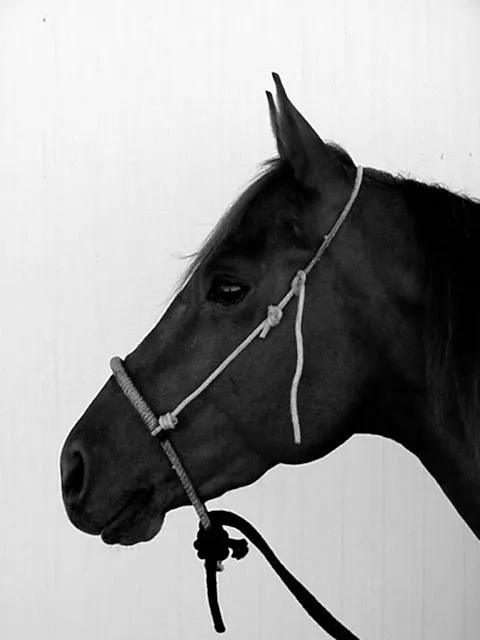 A diagram illustrating a Bosal Hackamore.**Figure 1:** Bosal Hackamore
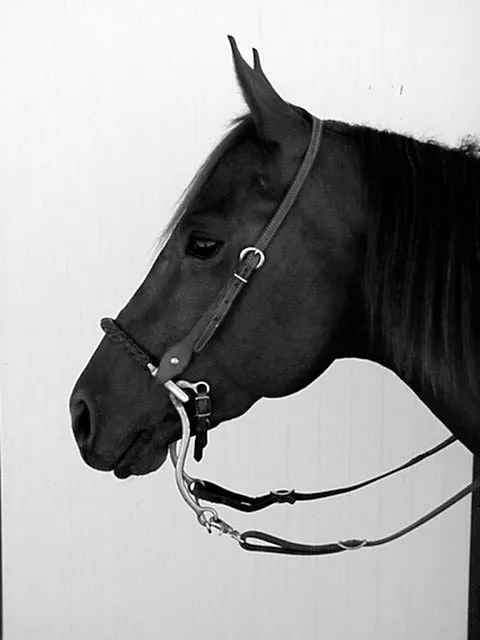 A diagram illustrating a Mechanical Hackamore.**Figure 2:** Mechanical Hackamore
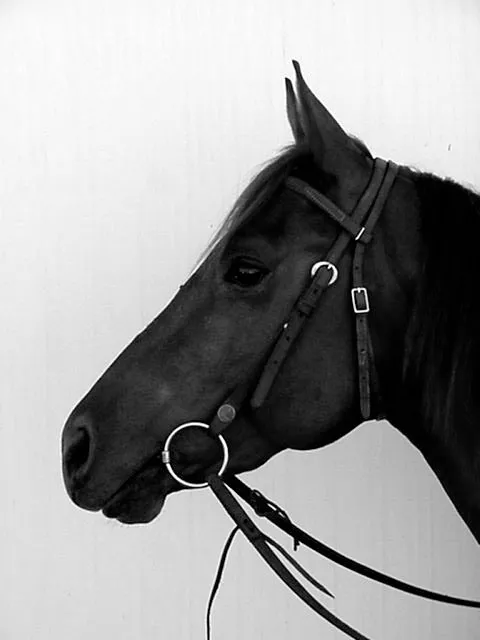 A diagram illustrating a Snaffle Bit.**Figure 3:** Snaffle Bit
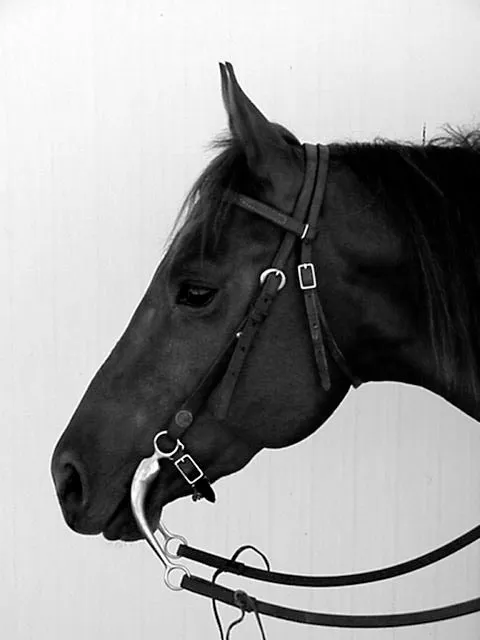 A diagram illustrating a Curb Bit.**Figure 4:** Curb Bit
Variations in Bit Construction and Their Effects
Bits are engineered with variations in construction to alter the location, intensity, and type of rein pressure. Understanding these differences is key to selecting an appropriate bit.
- Bit Balance: Refers to the weight and shape of the shanks and mouthpiece. “Over-balanced” bits release pressure when the reins slacken, which is generally desirable. “Balanced” or “under-balanced” bits maintain pressure. Laying an unattached bit on your fingers can help determine its balance. For instance, a bit with lower shanks hanging forward of the mouthpiece and upper shanks is over-balanced.
- Bar Elevation: The upward or forward angle of the bar portion of a mouthpiece. Higher elevation creates more space between the mouthpiece and the horse’s tongue, potentially reducing direct tongue pressure.
- Bit Material: Commonly made from steel, iron, or aluminum. Some feature copper mouthpieces or inlays, while others have rubber coverings. Precious metals may be used for aesthetic embellishment.
- Mouthpiece Diameter: Typically ranges from 5/16 to 3/4 inch, with variations available.
- Mouthpiece Elevation: The vertical distance of the port or mid-section. Ports with significant elevation (2.5 inches or more) can press on the upper palate and should be used with caution on inexperienced horses or riders.
- Mouthpiece Placement: The angle between the port and upper shanks when viewed from the side. This can range from aligned to the port being forward of the shanks by 20-30 degrees.
- Mouthpiece Shape: Most are smooth and rounded, but twisted, rolled, or flattened shapes can alter pressure intensity. A jointed mouthpiece, for example, can intensify pressure on the corners of the mouth and is often used as a transitional curb bit from a snaffle or bosal.
- Port Shape and Size: Varies to provide different levels of tongue relief and palate pressure.
- Shank Length: Upper shanks are typically 1-2 inches, while lower shanks can range from 3-7 inches, significantly impacting leverage.
- Shank Position: The angle of the shanks relative to the mouthpiece affects pressure distribution.
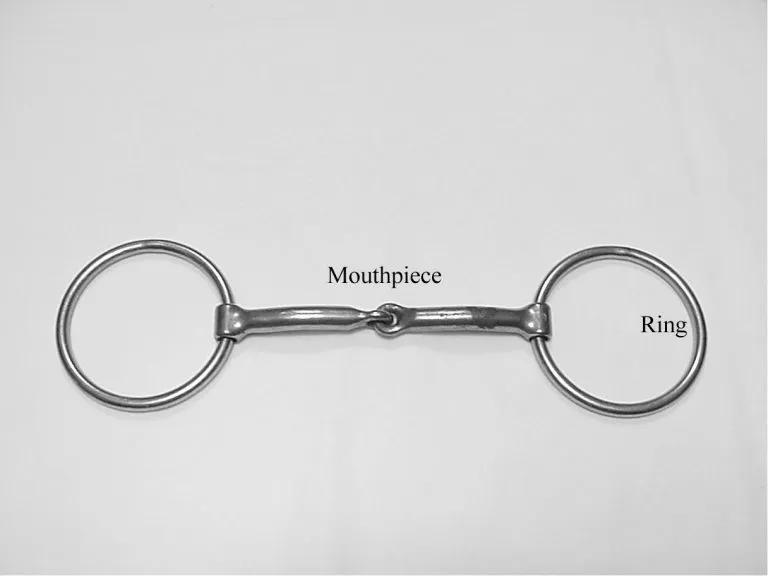 Smooth O-Ring bit.**Smooth O-Ring:** Recommended for daily training requiring lateral control.
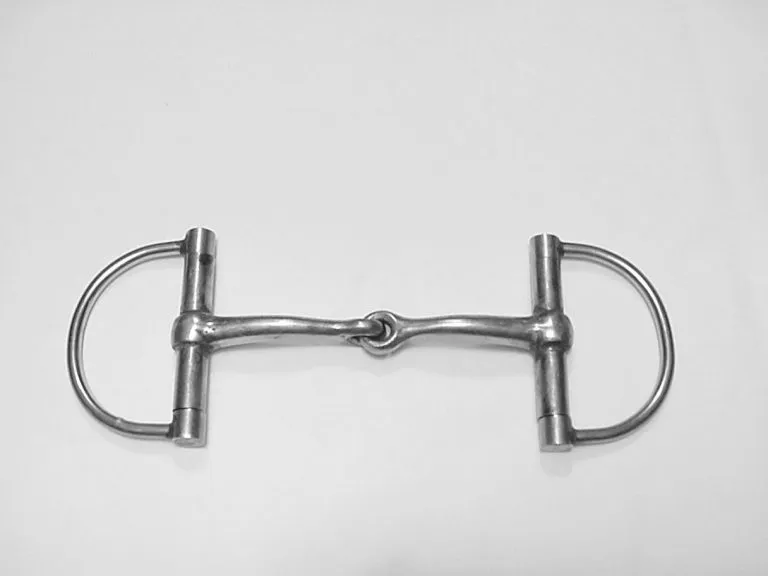 Smooth D Ring bit.**Smooth D Ring:** The ring shape distributes pressure along the horse’s cheeks.
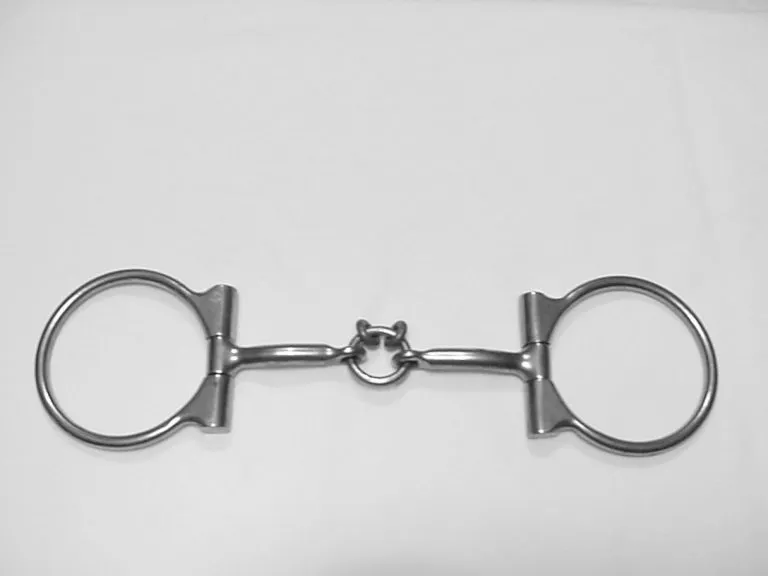 Dr. Bristol Mouthpiece.**‘Dr. Bristol’ mouthpiece:** Center rings help position the tongue beneath the mouthpiece.
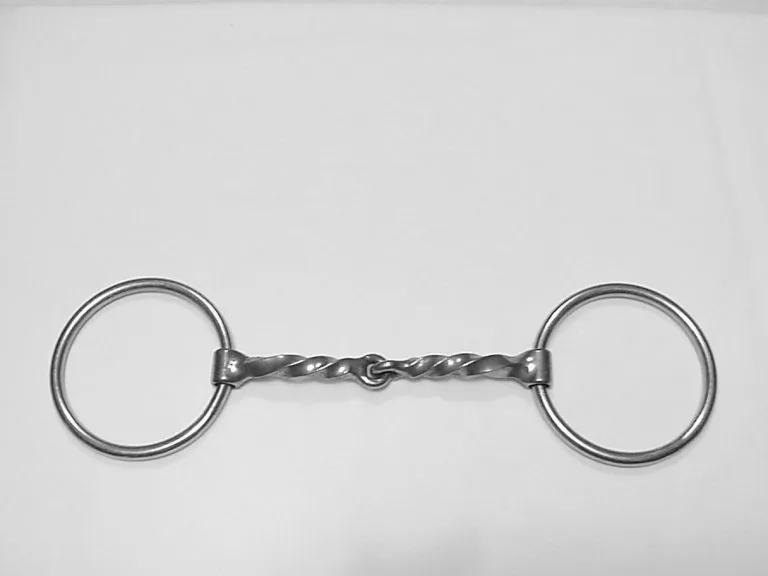 Iron Twist Mouthpiece.**‘Iron twist’:** The twisted design reduces tongue contact, intensifying pressure.
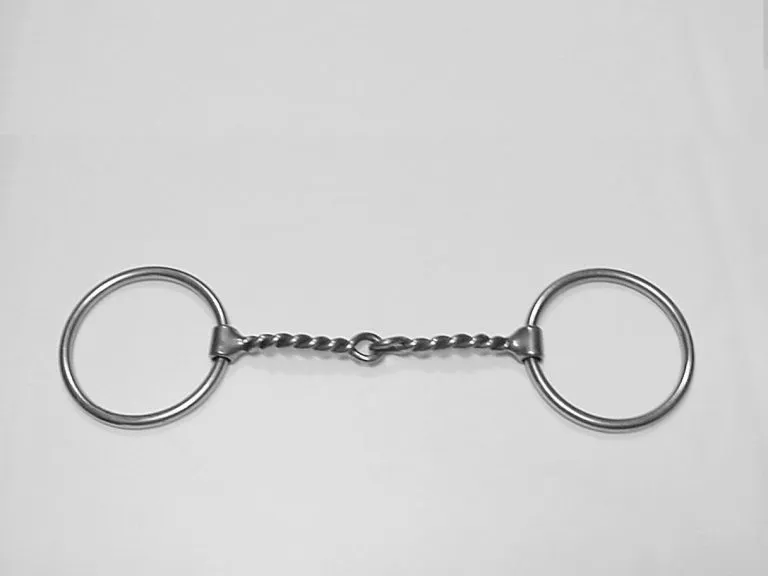 Wire Twist Mouthpiece.**‘Wire Twist’:** A narrow twist greatly intensifies pressure on the mouth corners; not recommended for daily use.
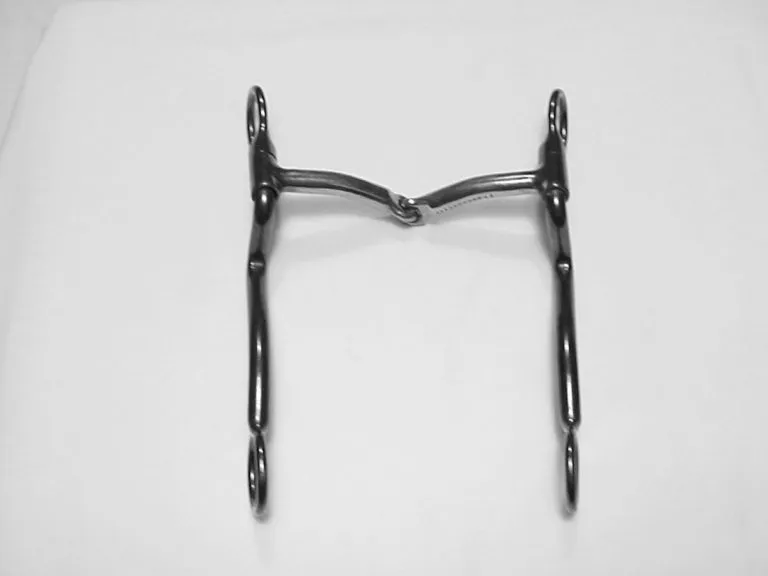 Jointed Mouthpiece.**Jointed Mouthpiece:** Intensifies pressure on mouth corners; often used as a first curb bit.
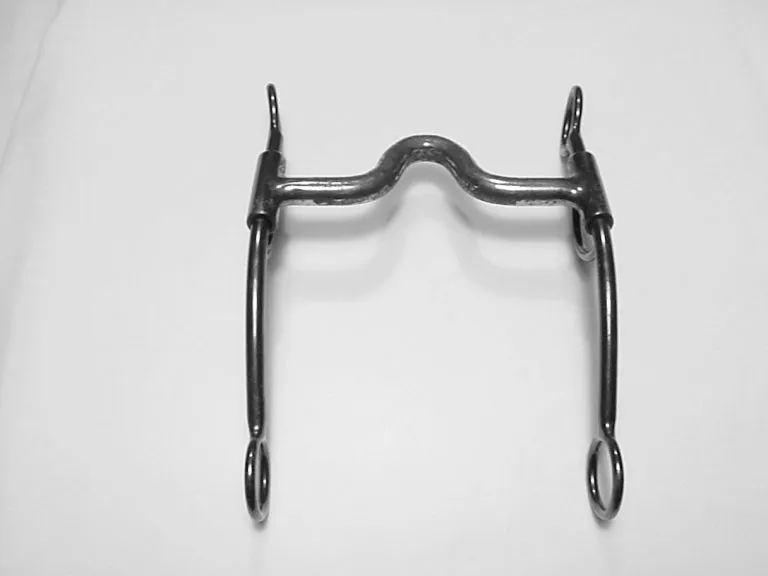 Grazing Mouthpiece.**“Grazing” port:** Offers minimal tongue and no palate pressure, with curved shanks for pressure release. Generally considered a mild bit, suitable for transitioning from jointed mouthpieces to solid ones.
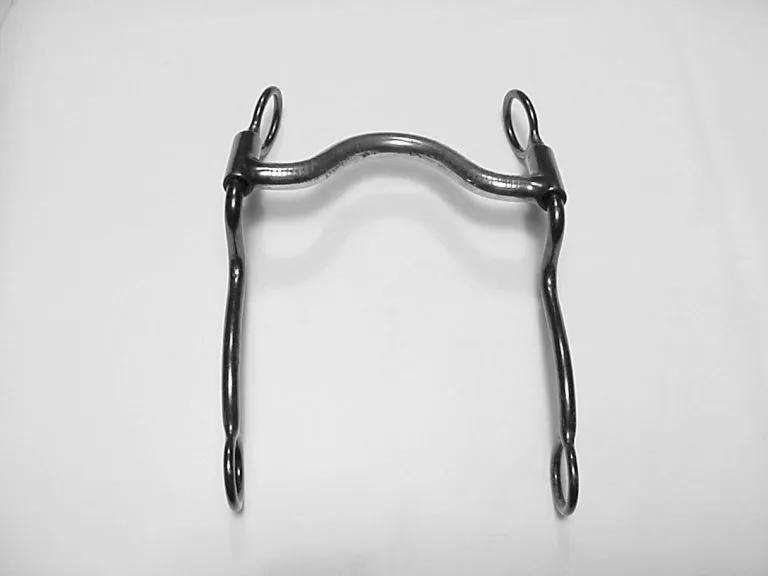 Sweetwater Mouthpiece.**“Sweetwater” port:** Allows the tongue to escape rein pressure, applying pressure on the bars.
Principles of Effective Bitting
Effective bit use hinges on understanding horse behavior and training principles. The goal is to achieve a response with the least amount of pressure possible.
- Bitting Process: This is an ongoing training cycle where horses learn to accept bits and respond correctly to pressure.
- Curb Pressure: Longer lower shanks on curb bits increase leverage and pressure intensity, especially when combined with specific mouthpiece designs.
- Curb Use: Primarily used for slowing or stopping horses through leverage and for guiding via neck reining. Curb bits are typically used on horses already trained to respond to direct and neck rein cues from snaffle or hackamore work.
- Ground Driving: Utilizes long lines attached to a snaffle bit, guiding the horse from behind. This method is effective for teaching young horses to stop, back, and guide before riding. It also serves as a reinforcement tool for older horses. Proper instruction is crucial for beginners.
- Hackamore Use: Bosal hackamores are used for training young horses in Western disciplines, similar to snaffles. Mechanical hackamores are employed for stopping or slowing in speed events like roping, offering limited lateral control. They are best suited for horses with prior training.
- Pressure Intensity: The objective is to use minimal pressure for desired responses. Excessive pressure, especially when introducing new tasks, can lead to undesirable reactions and hinder learning. Inexperienced horses benefit from bits that apply mild, direct pressure.
- Pressure Release: Consistent, long-term pressure can cause resistance. Bit pressure should be applied in short intervals followed by immediate release. Reinforcement should involve repeated “pull-and-release” actions rather than prolonged pressure.
- Pre-ride Bitting: Before riding, horses are accustomed to the bit and learn to respond to rein pressure. This involves sessions of wearing a snaffle bit without reins, followed by teaching responses to rein cues, often through ground driving or using a bitting harness. “Hands-on” instruction is recommended for those unfamiliar with these methods.
- Snaffle Pressure: Ring snaffles apply direct pressure. Jointed mouthpieces often intensify pressure on the mouth corners, aiding lateral control and head redirection. Mouthpiece design, size, and material can further influence pressure.
- Snaffle Use: Snaffles are ideal for teaching direct rein responses and are mild enough for frequent reinforcements needed by young or inexperienced horses. While many Western disciplines require curb bits for older horses, snaffles remain valuable training tools throughout a horse’s life due to their effectiveness in applying frequent cues.
Bits for Increased Pressure Intensity
Certain bits are designed to significantly increase pressure intensity and are generally recommended for short-term correctional use on experienced horses by experienced riders.
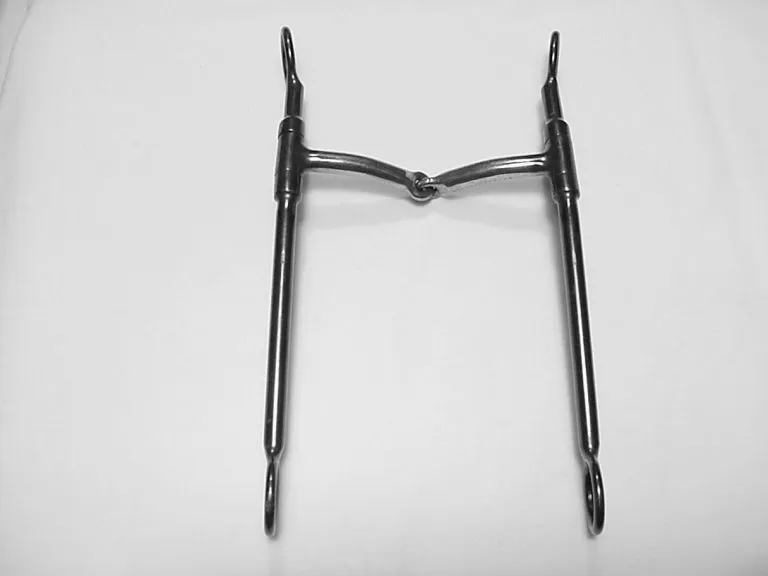 Long Shank bit.**Long shank length:** Greatly increases the leverage of rein pressure.
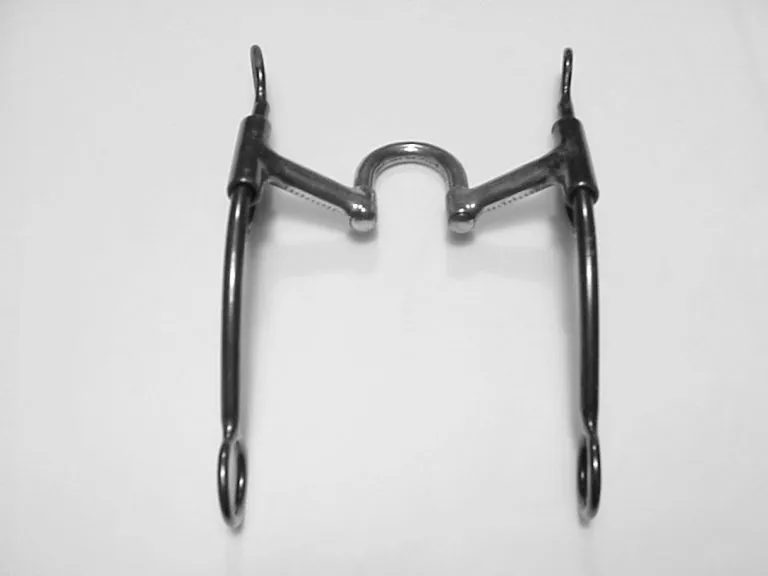 Correctional Mouthpiece.**‘Correctional’ mouthpiece:** Applies intense pressure on the sides of the tongue and the bars.
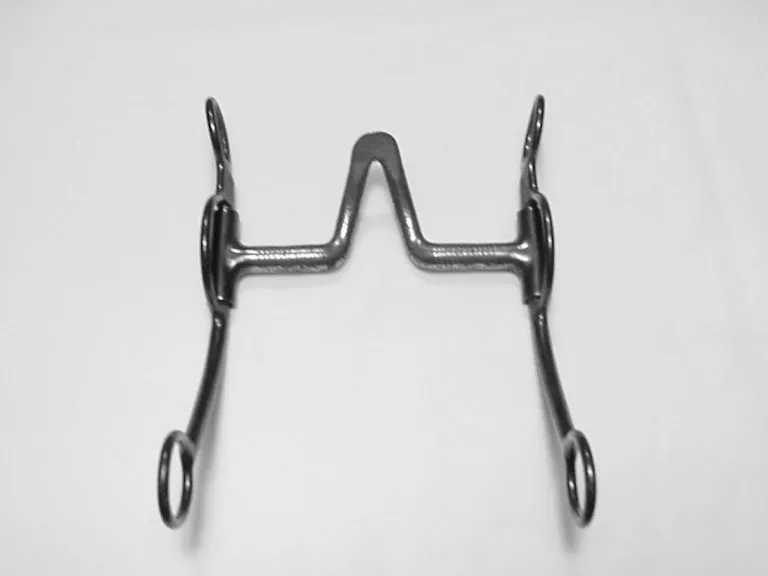 Las Crusas Mouthpiece.**‘Las Crusas’ mouthpiece:** Applies pressure on the upper palate without providing tongue relief.
Understanding these nuances in bit construction and application is vital for fostering clear communication and a positive training relationship with your horse. Always prioritize a horse’s comfort and responsiveness when selecting and using any bit.
