
The Bernese Mountain Dog, with its striking tri-color coat and gentle expression, is a true gentle giant of the canine world. Originating from the Swiss Alps, these dogs were bred as all-around farm dogs, capable of herding cattle, pulling carts, and serving as loyal watchdogs. This heritage has shaped a breed that is not only strong and beautiful but also intelligent, good-natured, and fiercely loyal. However, their size and strength make proper training an absolute necessity, not just a suggestion. Effective Training Bernese Mountain Dog puppies from a young age is the key to nurturing a well-behaved, happy, and integrated member of your family.
This comprehensive guide will walk you through the essential aspects of training these magnificent dogs. We’ll explore their unique temperament, tackle key training stages, and provide practical advice for overcoming common challenges. Whether you’re a first-time owner or a seasoned dog lover, understanding the Berner mindset is the first step toward a rewarding relationship. For those wondering about the general process, learning about [are dogs easy to train](https://dogcarestory.com/are-dogs-easy-to-train/) can provide a great baseline.
Understanding the Berner Temperament: The Foundation of Training
Before you can effectively train a Bernese Mountain Dog, you must understand the personality you’re working with. They are renowned for their calm, easygoing, and affectionate nature. They form deep bonds with their families and thrive on being included in daily activities. However, don’t let their placid demeanor fool you; they possess a sharp intelligence and, at times, a stubborn streak that harks back to their days as independent farm dogs.
Key personality traits that influence training include:
- High Intelligence: Berners are quick learners. They can pick up on commands and routines swiftly, but this intelligence also means they can get bored with overly repetitive training sessions. Keep things interesting and engaging.
- Sensitivity: This is perhaps the most crucial trait to understand. Bernese Mountain Dogs are emotionally sensitive and do not respond well to harsh training methods, loud voices, or anger. Yelling or using physical punishment will only lead to fear, anxiety, and a breakdown of trust.
- A Desire to Please: At their core, Berners want to make their owners happy. This intrinsic motivation is a powerful tool when combined with the right training techniques. Positive reinforcement works wonders with this breed.
- Slow to Mature: These dogs are puppies for a long time, both physically and mentally. They often don’t reach full maturity until they are 2-3 years old. This requires patience from their owners; you’ll be dealing with puppy-like antics in a very large body for quite a while.
Recognizing these traits allows you to tailor your approach. A training plan built on patience, positivity, and understanding will yield a confident and obedient companion.
The Golden Window: Puppy Training Essentials
The most critical period for training Bernese Mountain Dog puppies is between 8 and 16 weeks of age. During this time, their minds are like sponges, soaking up information about the world around them. What they learn now will set the foundation for their behavior as adults.
Socialization: Building a Confident Adult
Socialization is more than just meeting other dogs; it’s about exposing your puppy to a wide variety of sights, sounds, smells, and experiences in a positive and controlled manner. A well-socialized Berner is less likely to be fearful or reactive as an adult.
- Introduce People: Let your puppy meet people of all ages, appearances, and backgrounds.
- Experience Environments: Take them to different places like parks (once vaccinated), pet-friendly stores, and car rides.
- Hear New Sounds: Expose them to everyday noises like the vacuum cleaner, traffic, and thunderstorms in a non-threatening way.
- Meet Other Animals: Arrange controlled playdates with well-behaved, vaccinated adult dogs.
Always ensure these experiences are positive. Use treats and praise to create happy associations.
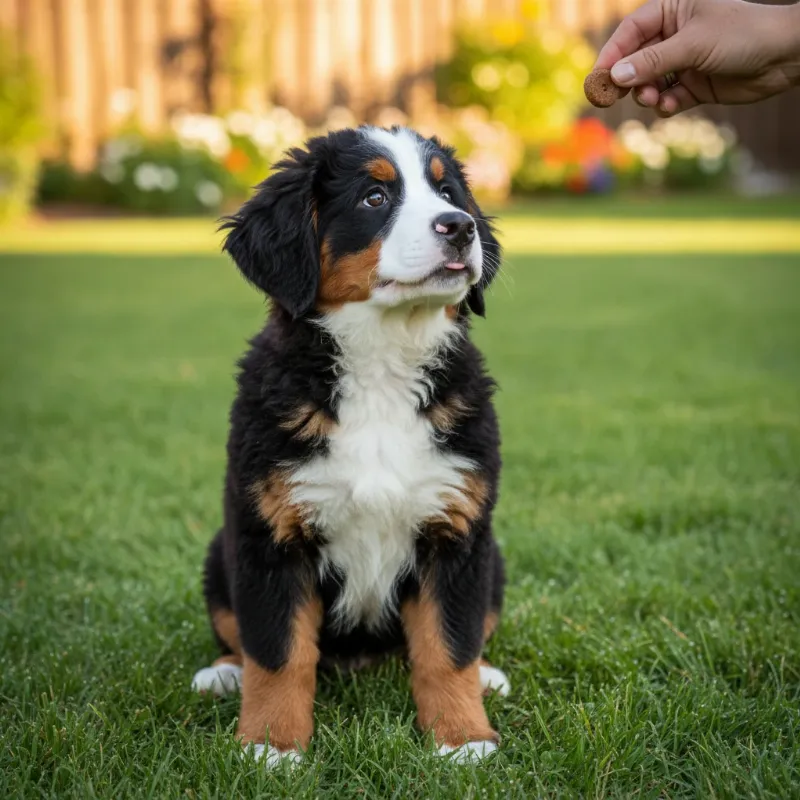 A cute Bernese Mountain Dog puppy sitting attentively during a training session, highlighting early training Bernese mountain dog.
House Training
Given their future size, establishing a solid house-training routine from day one is essential. Anticipate a larger bladder capacity than smaller breeds, but consistency is still key.
- Establish a Routine: Take your puppy out first thing in the morning, last thing at night, after every meal, after every nap, and after playtime.
- Choose a Potty Spot: Always take them to the same designated spot in your yard.
- Use a Command: Use a consistent verbal cue like “Go potty” or “Do your business.”
- Praise and Reward: When they eliminate in the correct spot, praise them enthusiastically and offer a high-value treat immediately. For larger messes, you might find
[dog training pads xlarge](https://dogcarestory.com/dog-training-pads-xlarge/)to be a lifesaver in the initial stages. - Manage Accidents: If an accident happens inside, don’t punish your puppy. Clean it up thoroughly with an enzymatic cleaner to eliminate odors that might attract them back to the same spot.
Basic Obedience Commands
Start with short, fun training sessions (5-10 minutes) several times a day. Focus on foundational commands:
- Sit: The easiest command to teach and a great starting point.
- Stay: Begin with short durations and distances, gradually increasing the difficulty.
- Come: Make this the best word your dog ever hears. Use a happy, inviting tone and reward them generously when they come to you.
- Leave It: This command is crucial for safety, teaching your dog to ignore dropped items (or food).
Key Challenges in Training a Bernese Mountain Dog
While they are wonderful dogs, training them isn’t without its challenges. Being prepared for these hurdles will help you navigate them successfully. The question of [are bernese mountain dogs easy to train](https://dogcarestory.com/are-bernese-mountain-dogs-easy-to-train/) often comes down to how well an owner manages these specific challenges.
The Power of Positive Reinforcement
As mentioned, Berners are sensitive souls. Positive reinforcement is the only ethical and effective method for this breed. This training philosophy focuses on rewarding desired behaviors rather than punishing unwanted ones.
“For a breed as sensitive and intelligent as the Bernese Mountain Dog, positive reinforcement isn’t just a technique; it’s a conversation,” notes Dr. Alistair Finch, a veterinarian specializing in large breed behavior. “You’re telling them what you want them to do, which builds confidence and strengthens your bond, whereas punishment only creates confusion and fear.”
Use treats, praise, toys, and affection to reward your dog when they get something right. This approach makes training a fun game, encouraging them to participate willingly and eagerly.
Managing Their Size and Strength
A cute 20-pound Berner puppy quickly grows into a 100-pound powerhouse. Leash manners are non-negotiable. Start leash training early, teaching your puppy not to pull before they have the strength to drag you down the street. A front-clip harness can be an excellent tool for managing pulling while you teach them to walk politely on a loose leash. Similarly, teach them not to jump on people from a young age.
Overcoming the Stubborn Streak
There will be times when your Berner decides they have a better idea. This isn’t malice; it’s their independent nature showing through. When you encounter this stubbornness, avoid getting into a battle of wills. Instead, turn the training into a game. Make the desired behavior more fun and rewarding than whatever they wanted to do. If they refuse to move on a walk, use an excited voice and a favorite toy to encourage them forward. Keeping training sessions short and engaging helps prevent boredom-induced stubbornness.
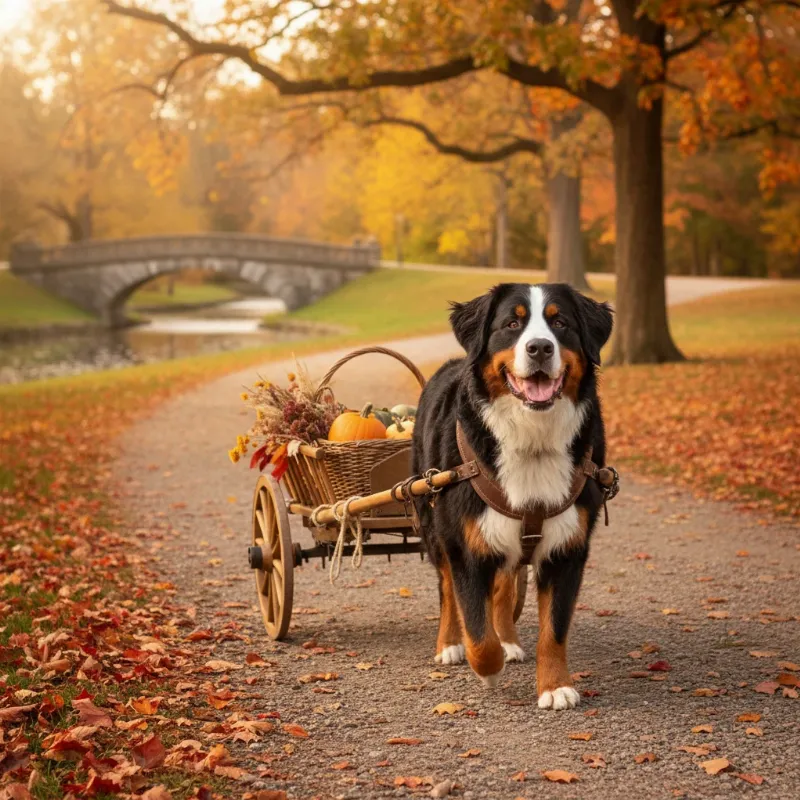 An adult Bernese Mountain Dog successfully completing an advanced obedience command, showcasing the results of consistent training Bernese mountain dog.
Advanced Training and Mental Stimulation
A bored Berner can become a destructive Berner. Once you’ve mastered the basics, it’s important to keep their intelligent minds engaged. Advanced training provides excellent mental stimulation and deepens your bond. This is where you can explore programs like [loyal companion dog training](https://dogcarestory.com/loyal-companion-dog-training/) to take your skills to the next level.
- Canine Good Citizen (CGC) Program: This AKC program teaches real-world manners and provides a great foundation for more advanced dog sports.
- Carting and Drafting: Tap into their heritage! Many Bernese Mountain Dog clubs offer carting workshops. It’s a wonderful way for them to get exercise and do the job they were bred for.
- Nose Work: Teach your dog to find specific scents. This game engages their natural abilities and is mentally exhausting in the best way.
- Puzzle Toys: Food puzzles and interactive toys are fantastic for keeping their minds busy, especially on rainy days when a long walk isn’t possible.
Frequently Asked Questions (FAQ)
How long does it take to train a Bernese Mountain Dog?
Basic obedience can be learned within a few weeks or months, but training is a lifelong commitment. Berners are slow to mature, so consistency and patience are required for the first 2-3 years as they transition from puppyhood to adulthood.
Are Bernese Mountain Dogs good for first-time owners?
They can be, provided the owner is prepared for their size, grooming needs, and training requirements. Their gentle and eager-to-please nature is a plus, but their sensitivity and strength require a committed owner who will use positive training methods.
Do Bernese Mountain Dogs bark a lot?
They are not known for being excessive barkers. They will typically bark to alert you to strangers or unusual sounds, fulfilling their role as a watchdog. Unwanted barking is usually a sign of boredom or lack of exercise.
How much exercise does a Bernese Mountain Dog need?
Adult Berners need moderate exercise, about 30-60 minutes of activity per day. This can include walks, hikes, or playtime. It’s crucial to protect their joints, so avoid forced, high-impact exercise, especially when they are puppies.
Can a Bernese Mountain Dog live in an apartment?
While a home with a fenced yard is ideal, they can adapt to apartment living if they receive sufficient daily exercise and mental stimulation. Their calm indoor demeanor makes them better suited for apartments than many other large breeds.
Conclusion: The Rewarding Journey of Training Your Berner
The journey of training Bernese Mountain Dog is one of patience, understanding, and immense reward. These gentle giants offer unwavering loyalty and affection in return for your guidance and care. By focusing on positive reinforcement, early socialization, and consistent leadership, you can shape your Berner puppy into a magnificent, well-mannered companion that is a joy to live with. Remember that every training session is an opportunity to strengthen the incredible bond you share. Embrace the process, celebrate the small victories, and you will have a friend for life.
