
Welcoming an older dog into your home is a rewarding experience, and with the right approach, you can foster a strong bond and ensure they adapt smoothly. Unlike puppies, older dogs come with a history, and while this might mean some ingrained habits, it also signifies a readiness to learn and a desire for companionship. The journey of Training An Older Dog is less about breaking bad habits and more about building upon their existing life experiences, focusing on positive reinforcement and understanding their unique needs. This comprehensive guide will delve into the rewarding process of training an older dog, helping you navigate common challenges and celebrate their successes.
Understanding the Older Dog’s Mindset
When considering training an older dog, it’s crucial to understand their perspective. They’ve lived a life, possibly with a previous owner, and have established routines and behaviors. Some older dogs may have had formal training, while others may not have had much at all. Patience is paramount. Avoid assumptions about their past; instead, focus on creating a positive present and future. Older dogs often possess a wisdom and calmness that puppies lack, making them eager and attentive learners when approached correctly. Their desire to please and connect with their new human is often a powerful motivator.
The Power of Positive Reinforcement
The cornerstone of successfully training an older dog lies in positive reinforcement. This method focuses on rewarding desired behaviors, making them more likely to be repeated. Forget harsh corrections or dominance-based techniques; these can be counterproductive and damaging to an older dog’s trust and confidence. Instead, think high-value treats, enthusiastic praise, and their favorite toys.
- High-Value Treats: Small, palatable, and highly motivating treats are essential. Think tiny pieces of cheese, cooked chicken, or specialized training treats.
- Verbal Praise: An excited and happy tone of voice can be incredibly rewarding.
- Affection: Gentle petting and ear scratches can signal approval.
- Play: A quick game of fetch or tug-of-war can be a great reward.
The key is to associate the desired action with a positive outcome. When your older dog performs the action you’re looking for, even a small step in the right direction, reward them immediately. This creates a clear association: “Doing this makes good things happen!”
Essential Commands for Older Dogs
While your older dog may already know some commands, it’s beneficial to reinforce or teach them essential cues. These commands not only improve their behavior but also strengthen your communication and bond.
Sit
This is a fundamental command.
- Hold a treat near your older dog’s nose.
- Move the treat up and slightly back over their head. As their head follows the treat, their rear end will naturally lower into a sit.
- The moment they sit, say “Sit” and give them the treat and praise.
- Repeat this process several times in short, frequent sessions.
Stay
Teaching “Stay” requires building duration and distance gradually.
- Ask your dog to sit.
- Hold up your hand in a “stop” gesture and say “Stay.”
- Take one small step back. If they remain seated, return immediately and reward them.
- Gradually increase the number of steps you take back and the duration before returning to reward them.
- If they move, simply guide them back to the original position without scolding and try again.
Come (Recall)
A reliable recall is crucial for safety.
- Start in a quiet, enclosed area.
- Get down on your dog’s level and cheerfully call their name followed by “Come!”
- As they approach, use encouraging words and gestures.
- Reward them enthusiastically with treats and praise the moment they reach you.
- Never call your dog to you for something unpleasant (like a bath or nail trim) if you can avoid it.
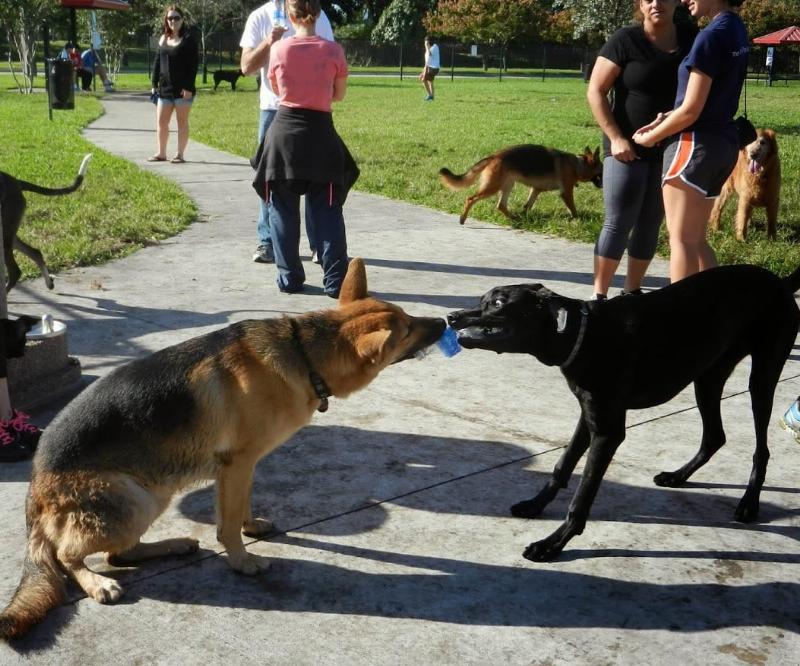 Best image for illustrating how to train an older dog to come when called, focusing on positive reinforcement and happy interaction.
Addressing Common Behavioral Challenges
Older dogs can sometimes present unique behavioral challenges that require specific strategies.
Housetraining Regression
Sometimes, older dogs may experience housetraining accidents, which can be distressing for both dog and owner. This can be due to a variety of factors, including changes in routine, underlying medical conditions, or simply a lapse in understanding.
- Rule out Medical Issues: First and foremost, consult your veterinarian to rule out any urinary tract infections, kidney issues, or other medical conditions that could be causing incontinence.
- Re-establish Routine: Take your dog out frequently, especially after waking up, after meals, and before bedtime.
- Supervise Closely: Keep a close eye on your dog when they are indoors. If you notice signs of needing to go (sniffing, circling), immediately take them outside.
- Clean Thoroughly: Use an enzymatic cleaner to eliminate odors that might attract your dog back to the same spot.
- Positive Reinforcement: Lavishly praise and reward them when they eliminate outdoors.
If your dog has had accidents, you might find how to train an older dog to use pee pad a useful resource for specific techniques.
Leash Reactivity
Some older dogs may exhibit leash reactivity, barking or lunging at other dogs or people when on a leash. This can stem from fear, frustration, or a lack of socialization.
- Create Distance: The most effective strategy is to create distance between your dog and the trigger. Cross the street, turn around, or step behind a car if you see a potential trigger approaching.
- Positive Association: When your dog notices a trigger but remains calm, immediately reward them with high-value treats. The goal is to change their emotional response from negative to positive.
- Avoid Punishment: Never punish your dog for reacting. This will only increase their anxiety and make the problem worse.
- Professional Help: For severe cases, consult a certified professional dog trainer or a veterinary behaviorist.
Separation Anxiety
Older dogs can develop separation anxiety, especially after a significant life change like moving to a new home or losing a companion.
- Practice Independence: Start by leaving your dog for very short periods (a few minutes) and gradually increase the duration.
- Create a Safe Space: Ensure they have a comfortable, safe den-like area, like a crate, where they feel secure.
- Provide Distractions: Leave them with a long-lasting chew toy or a puzzle feeder to keep them occupied.
- Don’t Make Departures/Arrivals a Big Deal: Keep your goodbyes and greetings low-key to avoid heightening their anxiety.
For those considering a crate as part of their training, understanding can i crate train an older dog can provide valuable insights.
The Importance of Mental Stimulation
Physical exercise is vital, but mental stimulation is equally important for an older dog’s well-being. Boredom can lead to destructive behaviors and anxiety.
- Puzzle Toys: These toys dispense treats when manipulated, offering a fun challenge.
- Scent Games: Hide treats around the house or yard and encourage your dog to find them.
- Training Sessions: Short, consistent training sessions keep their minds sharp. You might find resources on training an older dog obedience helpful here.
- New Environments: Exploring new, safe walking routes can provide novel sights, sounds, and smells.
Health Considerations During Training
As you train an older dog, always be mindful of their physical capabilities.
- Joint Health: Older dogs may have arthritis or other joint issues. Avoid strenuous activities that could exacerbate these conditions. If your dog seems stiff or reluctant to move, consult your vet.
- Energy Levels: Recognize that their energy levels may be lower than a younger dog’s. Adjust training sessions accordingly – shorter, more frequent sessions are often best.
- Sensory Decline: Some older dogs may experience hearing or vision loss. Be patient and adapt your training methods. Use hand signals in conjunction with verbal cues, and ensure they can see you clearly.
If you’re focusing on specific training needs for older dogs, topics like how to toilet train an older dog or kennel training an older dog are very relevant and address common concerns.
Building a Lasting Bond
Training an older dog is a journey of mutual discovery and trust-building. By employing patience, positive reinforcement, and a deep understanding of their needs, you can unlock their potential and create a strong, enduring companionship. Every successful command, every moment of calm focus, and every wagging tail is a testament to the special bond you are forging. Embrace the process, celebrate the small victories, and enjoy the heartwarming experience of sharing your life with a well-loved, well-trained older dog.
