
The Arabian horse, renowned for its distinctive “hot-blooded” nature and keen intellect, presents a unique training and partnership experience for riders. Unlike many other breeds, Arabians possess a heightened sensitivity and a remarkable ability to process information, requiring a thoughtful and communicative approach from their human counterparts. This guide delves into the core characteristics of the Arabian horse and offers practical strategies for building a harmonious relationship, ensuring that potential challenges are transformed into rewarding partnerships. This exploration is crucial for anyone seeking to truly understand and effectively train these magnificent animals.
The Arabian’s Distinctive Temperament: Beyond Stereotypes
Arabians are often stereotyped as being overly spooky or difficult to handle, but this perception overlooks their inherent intelligence and sensitivity. As descendants of horses bred for a nomadic lifestyle, they developed instincts for alertness, adaptability, and hard work. This heritage translates into a horse that is not only a willing partner but also a keen observer of its rider’s state of mind and intentions. The key to unlocking their potential lies in recognizing that Arabians respond best to clear requests rather than forceful commands.
The Importance of Clear and Respectful Communication
The phrase “The Thinking Man’s Horse” aptly describes the Arabian’s intellectual capacity. They can quickly assess a rider’s ability and emotional state, making a strong connection essential. When attempting complex maneuvers, such as trot-to-canter transitions, a rider’s internal anxieties or scattered thoughts can be sensed by the horse, potentially leading to a less-than-ideal response. Pausing, centering oneself, and then re-approaching the request with a clear mind often yields much better results, highlighting the effectiveness of asking rather than demanding.
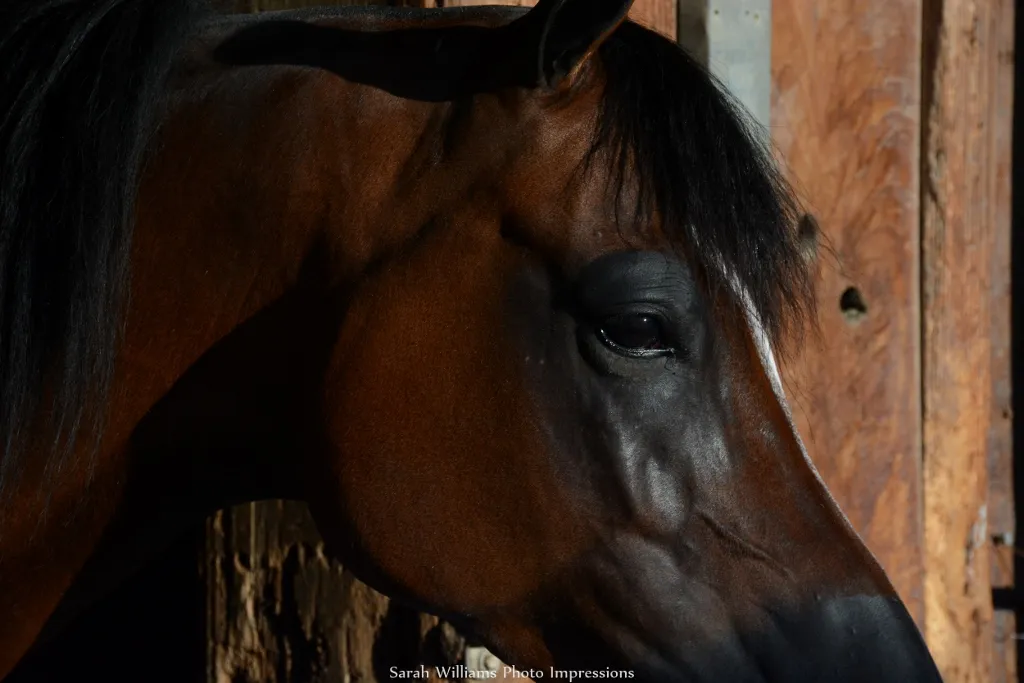 A stunning Arabian horse in a headshot pose.
Harnessing Arabian Psychology for Training Success
Arabians possess a remarkable reasoning ability, often choosing the most efficient and comfortable path around obstacles. This discerning nature is not a sign of unwillingness but rather an indication of their intelligence. As riders, understanding this psychology is paramount. Instead of resorting to forceful methods when an Arabian exhibits resistance, it’s more effective to make the desired action appear as the easiest and safest option for the horse. This approach, characterized by light hands and patient commitment, fosters a deeper understanding and allows the Arabian to retain learned behaviors far more effectively.
Navigating Obstacles with Empathy
When faced with a situation where an Arabian seems hesitant, consider the horse’s perspective. Forcing the issue with harsh aids will likely create a cycle of fear and resistance. Instead, aim to understand why the horse is apprehensive and gently guide them towards the desired outcome. This might involve finding a different approach, redirecting their attention, or simply allowing them a moment to process. By appealing to their inherent desire for comfort and safety, you can encourage willing participation.
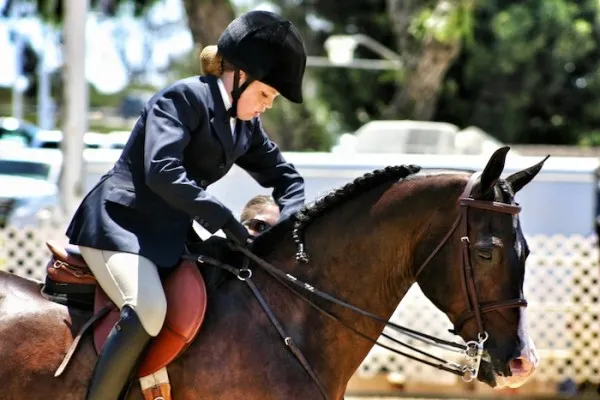 A beautiful Arabian horse standing in a field.
Seeking Specialized Training Expertise
While many skilled trainers can work with various breeds, those with specific experience with Arabians can offer invaluable insights. Trainers familiar with the breed’s unique sensitivities and thought processes are better equipped to address the common challenges that arise. For instance, a trainer accustomed to Quarter Horses might misinterpret an Arabian’s reaction to a perceived threat, leading to an escalating situation. An Arabian-savvy trainer, however, would likely recognize the need to de-escalate and redirect the horse’s attention, understanding that a confrontation is rarely the most productive solution.
The Value of Breed-Specific Knowledge
When selecting a trainer for an Arabian, prioritize those who have a proven track record with the breed. They will understand the nuances of Arabian communication and training, saving both horse and rider unnecessary frustration. Such expertise can accelerate the learning process and build a stronger, more trusting partnership.
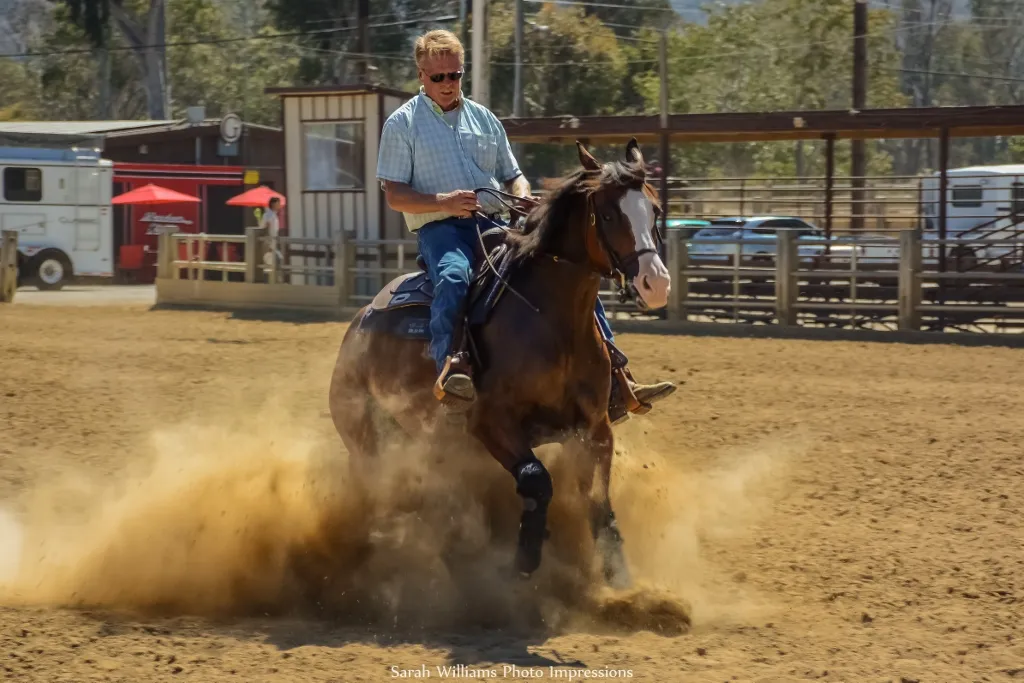 An Arabian horse in motion during a reining event.
Winning the Long Game: Avoiding the Battle Trap
Perhaps the most critical piece of advice for those working with Arabians is to avoid getting caught in a “battle of wills.” If a conflict arises, it’s essential to remain calm and patient, recognizing that forcing a win in a single instance can lead to a prolonged struggle. In the early stages of training, it’s easy to become fixated on a minor imperfection, turning a short session into an exhausting battle.
Prioritizing Progress Over Perfection
When an Arabian shows even a small sign of understanding or compliance, acknowledge and reward it. This positive reinforcement encourages them to repeat the desired behavior. Instead of demanding perfection, focus on incremental progress. By ending each training session on a positive note, you reinforce the horse’s willingness to learn and ensure they approach the next session with enthusiasm, remembering the last positive interaction.
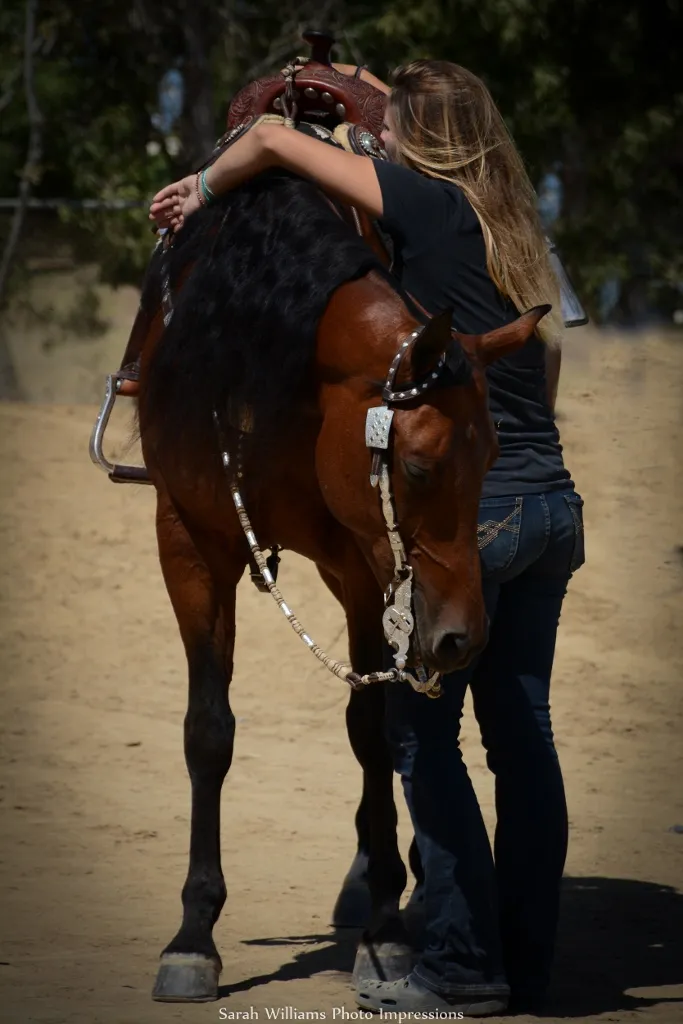 A young person grooming an Arabian horse.
The Arabian horse’s intelligence, sensitivity, and unique thought processes make them exceptional partners. By approaching training with clear communication, an understanding of their psychology, and a commitment to patience, riders can forge a deep and rewarding bond. Embracing these principles allows us to move beyond stereotypes and appreciate the incredible mind and heart of the Arabian breed.
About the Author: Sarah Williams is an editor and staff writer at SLO Horse News, with extensive experience competing in various equestrian disciplines.
Read more about connecting with spirited horses at SLOHorseNews.net.
