
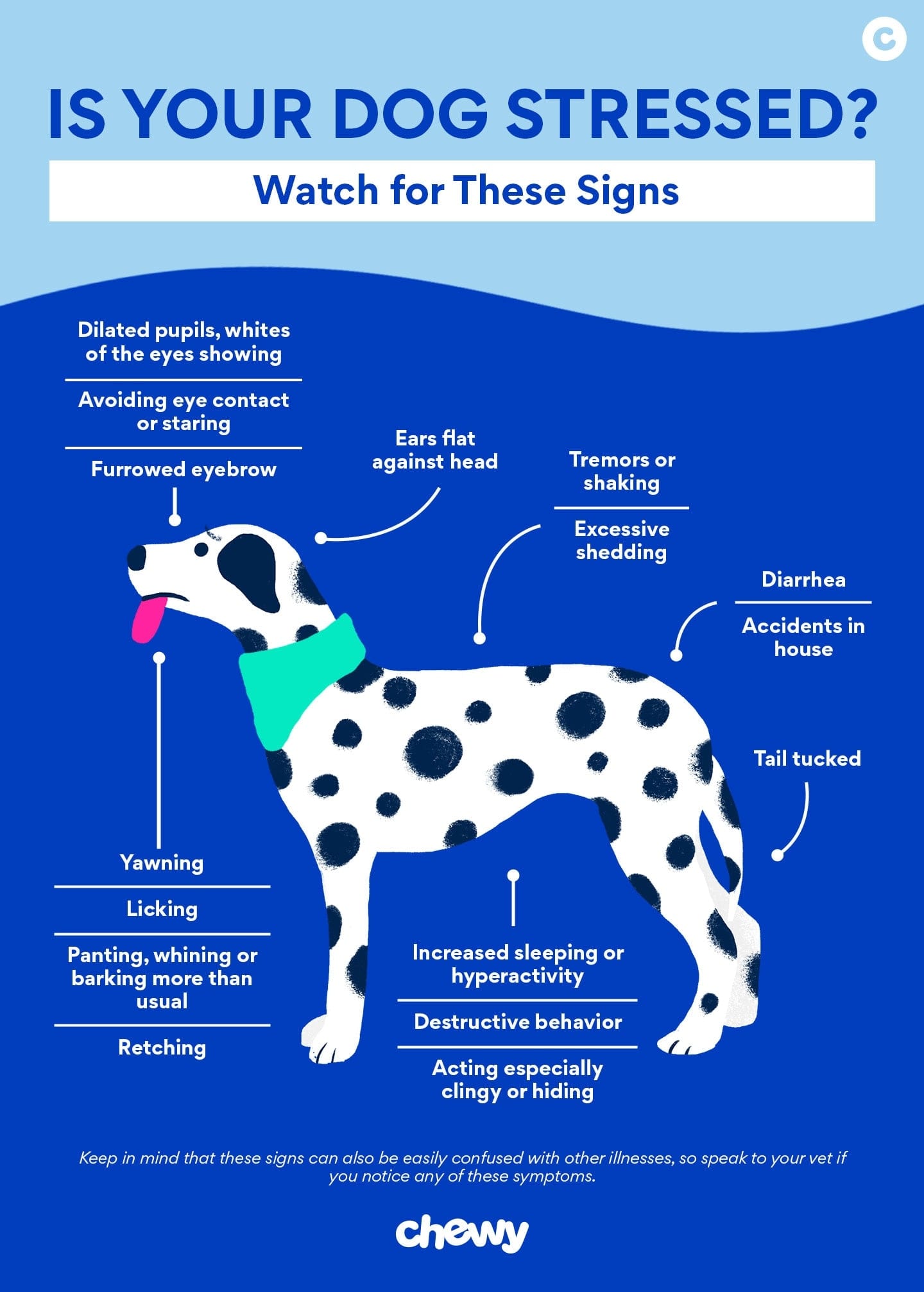
Living with an anxious dog can be a journey filled with both heartwarming moments and challenging behaviors. Their anxiety, often rooted in past experiences, genetics, or environmental factors, can manifest in various ways, from excessive barking and destructive chewing to withdrawal and fearfulness. But here’s the good news: with patience, understanding, and the right approach, you can significantly help your anxious companion find their confidence and a sense of calm. This guide will walk you through effective strategies for Training An Anxious Dog, fostering a stronger bond and a more peaceful life together.
Understanding Canine Anxiety: Why is My Dog Anxious?
Before diving into training techniques, it’s crucial to understand the underlying causes of canine anxiety. Dogs, much like humans, experience a range of emotions, and anxiety is a natural, albeit difficult, response to perceived threats or stressful situations.
- Separation Anxiety: This is one of the most common forms, where dogs become distressed when left alone or separated from their primary attachment figure. Behaviors include barking, howling, destructive chewing, and inappropriate urination or defecation.
- Generalized Anxiety: Some dogs seem anxious in most situations, exhibiting wariness, hypervigilance, and a generally fearful disposition. This can be linked to genetics or early life experiences.
- Fear-Based Anxiety: This type of anxiety is triggered by specific stimuli, such as loud noises (fireworks, thunderstorms), unfamiliar people or animals, or certain objects.
- Social Anxiety: This can make dogs uncomfortable around other dogs or people, leading to avoidance, defensive aggression, or extreme shyness.
- Trauma-Related Anxiety: Dogs rescued from abusive or neglectful situations may carry deep-seated anxiety that requires specialized care and a slow, trusting approach.
Recognizing the signs and understanding the potential triggers is the first step in effectively addressing your dog’s anxiety. If you’re unsure about the root cause, consulting with a veterinarian or a certified professional dog trainer is highly recommended. They can help rule out any underlying medical conditions and provide a personalized assessment.
The Foundation of Training an Anxious Dog: Building Trust
For any training to be successful with an anxious dog, trust is paramount. Your anxious companion needs to feel safe and secure in your presence. This means creating a predictable, positive, and low-stress environment.
- Establish a Routine: Dogs thrive on predictability. Consistent feeding times, potty breaks, walks, and training sessions can significantly reduce anxiety. Knowing what to expect throughout the day can be incredibly grounding for an anxious dog.
- Positive Reinforcement is Key: Avoid punishment-based training methods, as these can exacerbate anxiety and damage your bond. Instead, focus on rewarding desired behaviors with high-value treats, praise, and gentle affection. This helps your dog associate positive experiences with training and with you.
- Create a Safe Space: Ensure your dog has a designated “safe spot” where they can retreat when feeling overwhelmed. This could be a crate, a comfy bed in a quiet corner, or even a specific room. Make sure this space is always associated with positive experiences and never used for punishment.
- Gentle Handling: Approach your anxious dog calmly and avoid sudden movements or loud noises. Speak in a soft, reassuring tone. Allow your dog to approach you rather than forcing interaction.
Essential Training Techniques for Anxious Dogs
Once a foundation of trust is established, you can begin implementing specific training techniques. The goal is to gradually expose your dog to their triggers in a controlled manner, helping them build positive associations and coping mechanisms.
Desensitization and Counter-Conditioning
These are two of the most powerful tools for addressing fear-based and generalized anxiety.
- Desensitization: This involves gradually exposing your dog to their trigger at a low intensity, where they are less likely to react fearfully. For example, if your dog is afraid of thunder, you might start by playing very quiet recordings of thunder while they are relaxed.
- Counter-Conditioning: This process pairs the trigger with something positive, like high-value treats or a favorite toy. As you expose your dog to the trigger at a low intensity, you simultaneously offer these rewards. The aim is to change your dog’s emotional response from fear to anticipation of good things.
Example: If your dog is anxious around strangers, you could have a friend stand at a distance where your dog notices them but doesn’t react fearfully. As soon as your dog sees the person, give them a treat. Repeat this multiple times, gradually decreasing the distance as your dog becomes more comfortable. Always watch your dog’s body language for signs of stress and back off if they show discomfort.
Teaching Calmness and Relaxation
Teaching your dog to relax on cue can be invaluable.
- “Go to Mat” or “Place” Command: Train your dog to go to a designated mat or bed and stay there calmly. Start with short durations and reward heavily for calm behavior. This gives them a job to do when things become stressful.
- Teaching a “Settle” Cue: Reward your dog when they naturally lie down and relax. You can pair this with a cue like “Settle.” Gradually increase the duration they need to stay settled before receiving a reward.
- Mindfulness Exercises: Simple activities like slow-walking, scent games, and puzzle toys can help your dog focus their attention and engage their minds in a positive way, reducing overall anxiety.
Addressing Specific Anxiety Triggers
Separation Anxiety Training
- Practice Departures: Start with very short absences, just a few seconds, and gradually increase the time. Make departures and arrivals low-key. Avoid emotional goodbyes or overly enthusiastic greetings.
- Provide Distractions: Leave your dog with a long-lasting chew toy or a puzzle feeder filled with their favorite treats just before you leave.
- Desensitize to Departure Cues: Practice picking up your keys, putting on your coat, or grabbing your bag without actually leaving. This helps reduce the anxiety associated with these pre-departure signals.
- Consider Professional Help: Severe separation anxiety often requires guidance from a certified professional.
Noise Phobias
- Create a Safe Haven: Provide a den-like space where your dog can hide during storms or fireworks.
- Desensitization and Counter-Conditioning: As mentioned, playing recordings of noises at very low volumes can help.
- Management: During unavoidable noisy events, try to distract your dog with games, create white noise with music or a fan, or use calming supplements recommended by your vet.
Social Anxiety
- Controlled Introductions: If your dog is anxious around other dogs, arrange controlled, short introductions in a neutral environment with calm, well-behaved dogs. Keep leashes loose.
- Positive Associations: Reward your dog for calm behavior in the presence of other dogs or people.
- Respect Their Space: Don’t force your dog into situations where they feel overwhelmed. Give them the option to retreat.
The Role of Mental and Physical Stimulation
A tired dog is often a less anxious dog. Ensuring your anxious companion gets adequate physical and mental exercise is crucial.
- Physical Exercise: Tailor walks and play sessions to your dog’s energy level and physical capabilities. A good walk can help burn off excess energy and reduce pent-up frustration. For some anxious dogs, low-key walks in quieter areas are best.
- Mental Enrichment: Engage your dog’s mind with puzzle toys, scent work, training games, and learning new tricks. Mental stimulation is just as important, if not more so, than physical exercise for preventing boredom and reducing anxiety. These activities can help redirect their focus from anxious thoughts to problem-solving.
When to Seek Professional Help
While many anxiety-related behaviors can be managed with diligent training and a supportive environment, some dogs require more intensive intervention. If your dog’s anxiety is severe, poses a risk to themselves or others, or is significantly impacting your quality of life, it’s time to consult professionals.
- Veterinarian: A vet can rule out any underlying medical issues that might be contributing to anxiety and can discuss potential calming supplements or medications if necessary.
- Certified Professional Dog Trainer (CPDT-KA/KSA): Look for trainers specializing in behavior modification and working with anxious dogs. They can assess your dog’s specific needs and create a tailored training plan.
- Veterinary Behaviorist (DACVB): For complex or severe cases, a veterinary behaviorist, who is a veterinarian with advanced training in animal behavior, can provide comprehensive diagnostics and treatment plans, including medication if appropriate.
Consistency and Patience: The Cornerstones of Success
Training an anxious dog is a marathon, not a sprint. There will be good days and bad days. It requires an immense amount of patience, consistency, and unwavering love. Celebrate small victories, learn from setbacks, and remember that your goal is to help your dog feel safe, secure, and confident in their world. By understanding their needs, employing positive training methods, and seeking professional guidance when needed, you can transform your anxious dog’s life and build an even stronger, more trusting relationship. The journey of training an anxious dog is a testament to the incredible bond between humans and their canine companions.
