
The journey of understanding our relationships with horses, particularly those who have experienced trauma, is a continuous learning process. A profound insight recently shared by Emelie Cajsdotter during a podcast conversation about relationships with horses, struck a deep chord: “Yes, it’s really about giving versus trading.” This sentiment shifts the focus from transactional interactions to a more empathetic and trust-building approach in horsemanship.
For those new to horsemanship or seeking to deepen their bond with their equine partners, this distinction is crucial. It’s about understanding that our actions, even those seemingly simple like offering a treat, can be perceived differently by a horse, especially one that has a history of abuse or fear. Embracing a “giving” mindset, rather than a “trading” one, can be transformative in building genuine trust and confidence.
The Rescued Mare: A Case Study in Giving
This principle recently became vividly clear when a compassionate woman shared her challenge after rescuing a 12-year-old mare from a kill pen. The mare, though not inherently mean, was profoundly frightened due to past abuse. The woman’s struggle was simple: “I can’t catch her.” Her current strategy involved placing the mare in a small pen and spending time with her, offering grain from a bucket, hoping the horse would eventually approach.
In response, I emphasized the critical shift from trading to giving in the context of horsemanship. The very act of expecting something in return for our time, even something as seemingly harmless as a handful of grain, can inadvertently create tension. This is especially true for a traumatized animal. Instead, a more subtle approach of giving without expectation allows trust to be built organically, a cornerstone of effective horsemanship.
Building Confidence Through Empathetic Horsemanship
The foundational step in this process involves truly understanding the horse’s perspective. Being confined in a small pen might be overwhelming for a frightened mare. Therefore, acknowledging her rising concern and establishing communication from a greater distance is often more effective. This mindful approach, rooted in empathetic horsemanship, allows the horse to feel safer and more in control.
In one instance, a video example demonstrated how this method helped a former charro horse, known for its aversion to men, gain confidence. This transformation, achieved through increased awareness and a non-confrontational approach, serves as a powerful testament to the positive impact of thoughtful horsemanship.
Understanding the “Ring of Disturbance” in Horsemanship
Further enriching these insights, Doniga Markegard’s concept of the “ring of disturbance” offers another valuable perspective for horsemanship. This idea refers to an energetic field that can unsettle wildlife in nature. Applying this to working with worried or abused horses, being acutely aware of one’s own “ring of disturbance” becomes paramount. The space within which a horse feels comfortable and safe often extends far beyond what we might initially perceive, highlighting the holistic nature of effective horsemanship.
Synchronizing Awareness for Deeper Connection
Ty Murray, in a previous podcast conversation, shared a particularly insightful piece of wisdom relevant to horsemanship: “You need to be aware of them at the same moment they become aware of you.” This profound statement underscores the critical importance of synchronizing awareness. It’s about creating a harmonious connection with the horse’s psyche, anticipating their responses, and fostering a mutual understanding—a fundamental principle of advanced horsemanship.
The Nuance of “Awareness of Awareness”
In the practice of horsemanship, I often highlight the intricate communication involved in conveying awareness. This means being attuned not only to the horse’s outward actions but also to their internal awareness and their perception of our intentions. Sometimes, the connection goes even deeper, requiring an understanding of their awareness of our own awareness. This nuanced language transcends mere verbal commands, embodying the true essence of horsemanship.
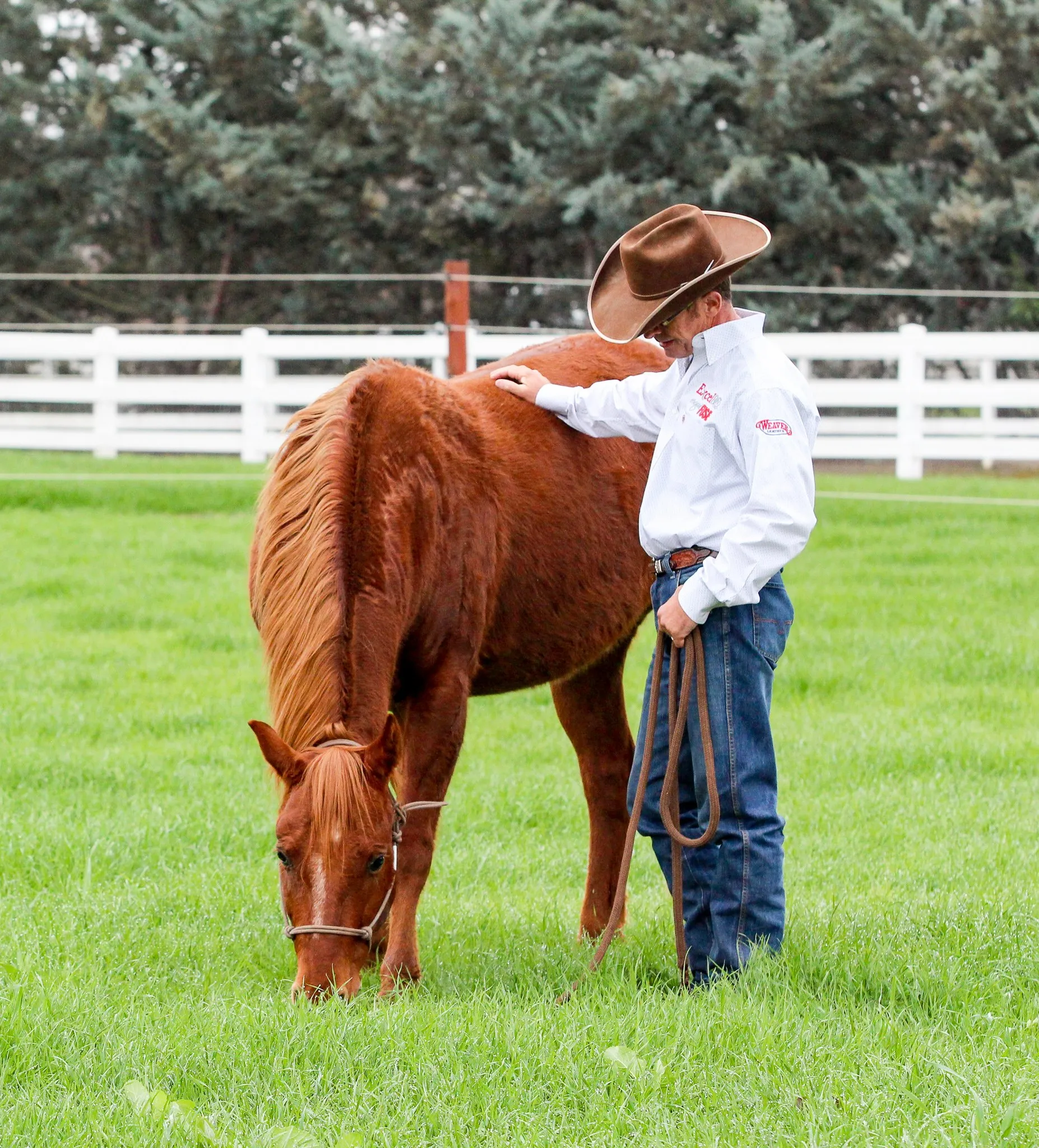 Connecting with an abused horse through awarenessWarwick connecting with an abused horse
Conclusion: The Heart of Horsemanship
Working with horses, especially those with a history of trauma, demands unwavering patience, deep empathy, and a genuine commitment to building trust. By embracing a giving mindset within the framework of horsemanship, consciously acknowledging the “ring of disturbance,” and meticulously syncing awareness with these magnificent creatures, we pave the way for profound connections and healing. As we navigate this intricate dance, let us remember that the most meaningful interactions in horsemanship are rooted in communicating our awareness of their awareness, fostering a bond built on mutual respect and understanding. Happy trails on your equine adventures!
