
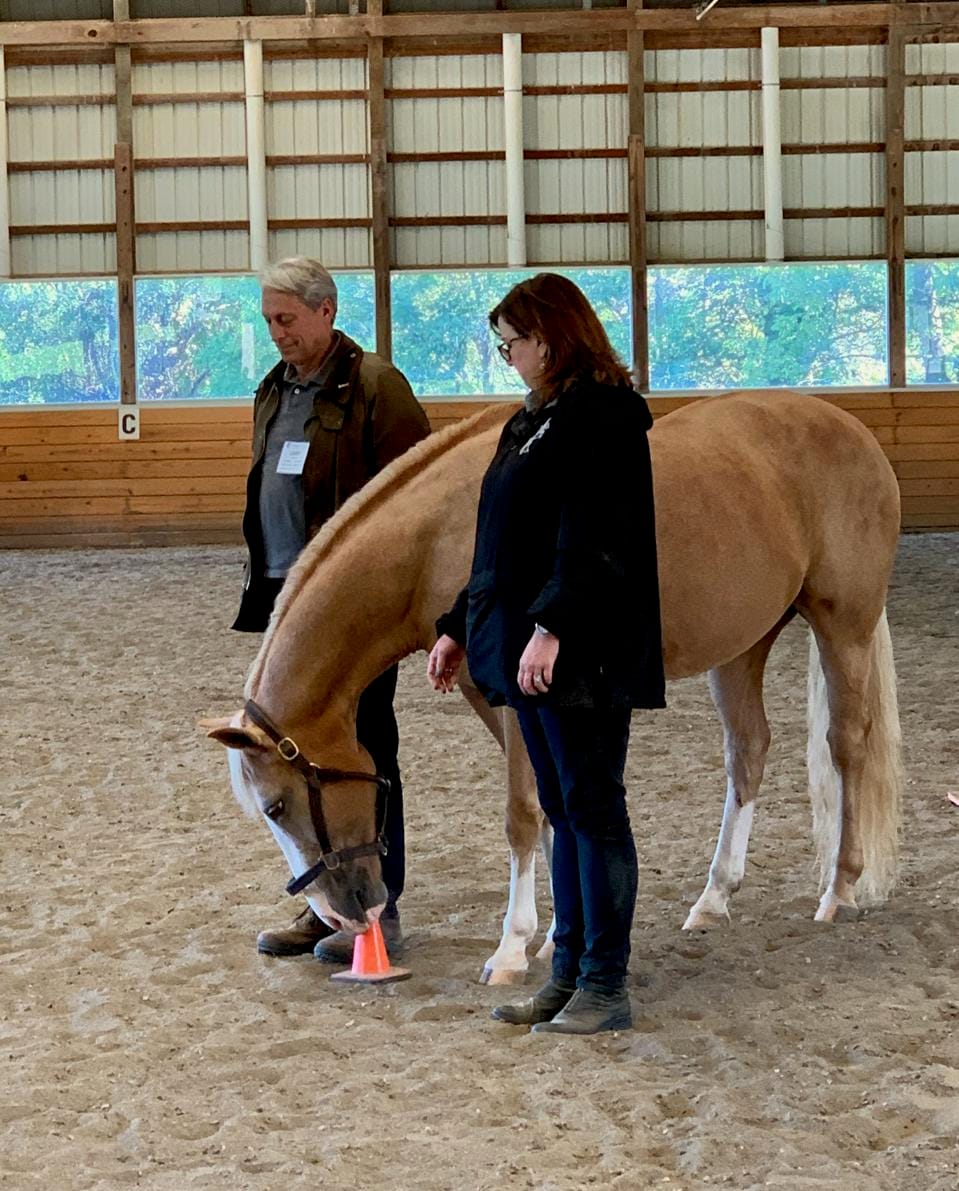
Embarking on the journey of Training A Young Horse is one of the most rewarding experiences a horse owner can have. It’s a process that requires patience, consistency, and a deep understanding of equine behavior, laying the foundation for a lifelong partnership built on trust and respect. This guide will delve into the essential principles and practical steps involved in effectively training a young horse, ensuring a positive and successful start to their ridden career.
The Crucial First Steps: Building Trust and Understanding
Before any ridden work begins, establishing a strong bond with your young horse is paramount. This involves spending time with them on the ground, getting them accustomed to your presence, and teaching them basic handling skills. Gentle grooming, leading, and simple desensitization exercises help build confidence and create a sense of security for the horse. Understanding their body language is key; learning to recognize signs of stress, fear, or contentment will allow you to respond appropriately and build a trusting relationship. This initial groundwork is the bedrock upon which all future training will be built.
Understanding Equine Psychology
Young horses, much like human children, are constantly learning and exploring their environment. They are naturally curious but also can be easily spooked. Their reactions are often instinctual, driven by a desire for safety. Recognizing that a young horse’s “misbehavior” is rarely malicious but rather a response to fear, confusion, or a lack of understanding is crucial. Approaching training with empathy and a focus on clear communication will foster a willing partner.
Establishing a Routine
Consistency is vital. A predictable routine helps young horses feel secure. This includes regular feeding times, turnout, grooming sessions, and, eventually, training sessions. Knowing what to expect each day reduces anxiety and makes them more receptive to learning.
Groundwork: The Foundation of Ridden Success
Groundwork is the essential precursor to riding and encompasses a variety of exercises performed from the ground. This stage is critical for developing responsiveness to voice commands, body cues, and the halter. Exercises like leading, lunging, yielding to pressure, and desensitization to various objects and sounds prepare the horse for the demands of ridden work.
Leading and Halter Training
Teaching a young horse to lead politely is fundamental. They should walk willingly beside you without pulling or lagging, stopping when you stop and turning when you turn. This teaches them to follow your lead and respond to subtle cues.
Lunging and Voice Commands
Lunging, or working the horse in a circle on a long line, is an excellent way to teach voice commands (like “walk,” “trot,” “whoa”) and develop responsiveness to aids from a distance. It also helps build their fitness and understanding of basic gaits without the added complexity of rider weight. This is where many find groundwork training with a young horse to be incredibly beneficial.
Desensitization
Exposing young horses to a variety of stimuli in a controlled and positive manner is crucial. This can include anything from the rustle of a plastic bag to the sound of a tractor. The goal is to teach them not to overreact to novel sights and sounds, making them more reliable and safer to handle and ride.
Introducing the Saddle and Rider
Once a solid foundation of groundwork is established, the next exciting step is introducing the saddle and, eventually, a rider. This process should be gradual and always prioritize the horse’s comfort and confidence.
Saddle Familiarization
The saddle should be introduced slowly. Allow the horse to see, smell, and investigate the saddle. Then, place it on their back for short periods without tightening the girth, gradually increasing the duration. Once they are comfortable, the girth can be gently tightened, and the saddle left on for a while.
Introducing the Rider
The first rides should be very short and focus on the horse accepting the rider’s weight and presence. Initially, the rider might simply sit on the horse while it’s on the lunge line. The focus is on maintaining a calm and balanced seat, allowing the horse to move freely. Learning about breaking and training young horses often emphasizes this sensitive transition.
The Art of Riding: Guiding Your Young Partner
Ridden training progresses from simply accepting the rider to actively responding to cues for direction, speed, and transitions. The emphasis remains on positive reinforcement and clear communication.
Basic Aids: Seat, Legs, and Hands
Understanding how to use the basic aids – the rider’s seat, legs, and hands – effectively and harmoniously is essential. Each aid should communicate a clear intention to the horse. For instance, a slight shift in seat can encourage a turn, a gentle squeeze of the legs can ask for more forward movement, and a soft hand can guide the direction.
Transitions and Responsiveness
Teaching smooth transitions between gaits (walk to trot, trot to canter, and importantly, back to walk or halt) is a core part of ridden training. These transitions require the horse to be attentive and responsive to the rider’s aids.
Introducing the Aids for Riding a Young Horse
When training a young horse to ride, it’s important to introduce these aids gradually. Overloading a young horse with too many signals at once can lead to confusion and frustration. Breaking down commands into simple steps and rewarding each correct response is far more effective.
Specific Training Goals: Jumping and Beyond
While basic ridden work is fundamental, many owners also aim to introduce their young horses to disciplines like jumping. This requires specialized training that builds upon the established groundwork and ridden skills.
Introducing Poles and Small Jumps
The process of training a young horse to jump typically begins with simple ground poles. This helps them understand how to step over obstacles and develop rhythm. Gradually, these poles can be raised into small cross-rails, always ensuring the horse is confident and willing before increasing the height or complexity. This builds confidence and coordination.
Developing Technique and Confidence
As the horse becomes more comfortable jumping, the focus shifts to developing correct technique and confidence. This involves encouraging them to jump with a good bascule (the arc of their jump) and a relaxed, forward attitude. The rider’s role is to support the horse, providing the right impulsion and guidance. Young horse training tips often highlight the importance of positive experiences over pressure.
Problem Solving and Advanced Training
Even with the best intentions, challenges can arise during training. Addressing these issues promptly and with a consistent approach is key.
Common Challenges and Solutions
Horses may develop fears, resistances, or display unwanted behaviors. Instead of punishing, it’s more effective to identify the root cause of the behavior. Is the horse confused? Afraid? In pain? Addressing the underlying issue with patience and understanding is crucial. Sometimes, seeking advice from experienced trainers is invaluable.
Continual Learning and Development
Training a horse is a continuous journey. Even after the initial breaking and training period, there are always new skills to learn and refine. Staying updated on the latest training methodologies and continuing education, such as attending clinics or reading resources on training a young horse to ride and training a young horse to jump, will ensure a well-rounded and capable equine partner.
The Rewards of a Well-Trained Horse
The effort invested in training a young horse yields immeasurable rewards. A well-trained horse is a joy to own and ride, possessing confidence, responsiveness, and a willing attitude. They become true partners, capable of participating in various equestrian activities and enriching the lives of their handlers. The bond forged through consistent, ethical, and patient training is a testament to the beautiful relationship between humans and horses.
