
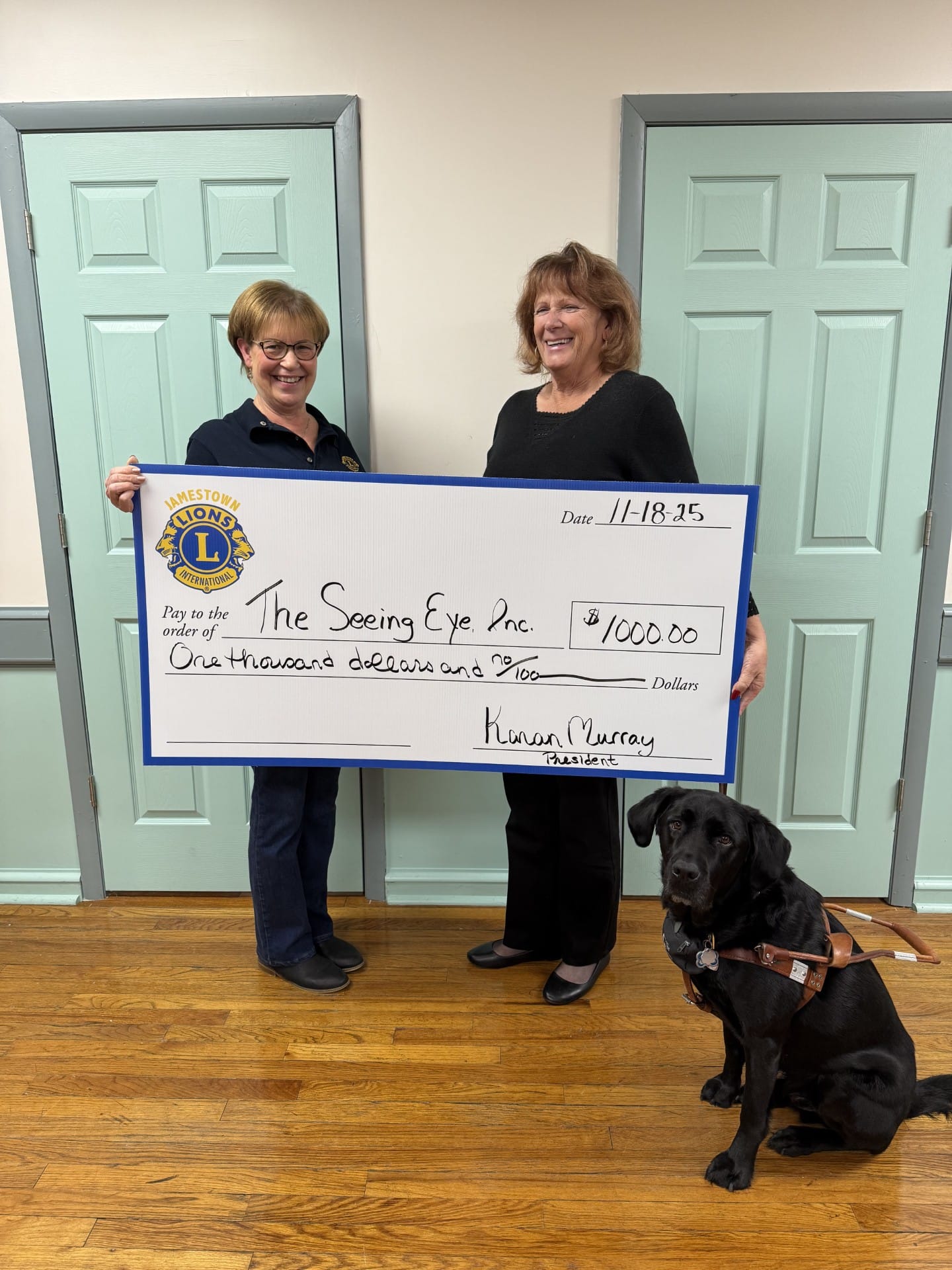
Embarking on the journey of Training A Seeing Eye Dog is a profound commitment, one that culminates in the formation of an extraordinary partnership. This intricate process transforms a canine companion into a vital guide, enabling individuals with visual impairments to navigate their world with newfound independence and confidence. The dedication and meticulous care involved in shaping these intelligent animals into indispensable partners underscore the remarkable bond between humans and dogs.
The Genesis of a Guide Dog: Early Foundations
The story of a seeing eye dog begins long before formal training commences, with careful selection and early socialization. Puppies are typically chosen from specific breeds known for their intelligence, temperament, and physical capabilities, with Labrador Retrievers, Golden Retrievers, and German Shepherds being common choices. From a young age, these puppies are placed with volunteer foster families who provide a nurturing environment. This crucial early period focuses on exposing the puppy to a wide variety of sights, sounds, and experiences in a positive way. This socialization is paramount, helping the dog develop into a well-adjusted, confident, and adaptable canine citizen. The goal is to build a solid foundation of basic obedience and good manners, ensuring the puppy is comfortable and secure in diverse environments.
The Role of Socialization in Developing a Future Guide
Effective socialization during the critical developmental window for puppies is not merely about exposure; it’s about positive reinforcement and building resilience. This includes introducing them to different surfaces, busy streets, public transportation, and interactions with people of all ages and abilities. A well-socialized puppy is less likely to be fearful or reactive in new situations, a vital trait for a working guide dog. This early exposure helps them learn to filter out distractions and focus on their future handler, a skill honed throughout their training journey.
Formal Training: Shaping the Guiding Partnership
Once a dog reaches maturity, typically around 12-18 months of age, they begin formal training at a specialized facility. This intensive phase is where the dog learns the specific skills required to be a guide. Professional trainers employ a structured curriculum that focuses on several key areas. This training is a gradual process, building upon the foundational obedience and socialization the dog has already received.
Mastering Essential Obedience and Responsibilities
The cornerstone of formal training is advanced obedience. Dogs learn to respond promptly and accurately to a comprehensive set of commands, even in the presence of significant distractions. This includes “sit,” “stay,” “down,” and “come,” but extends to more nuanced cues essential for guiding. They are taught to walk calmly on a leash, ignoring distractions like squirrels, other dogs, or tempting smells. This level of control and responsiveness is non-negotiable for a guide dog’s safety and effectiveness.
Intelligent Disobedience: The Mark of a True Guide
A critical and fascinating aspect of guide dog training is the concept of “intelligent disobedience.” This means the dog is trained to disobey a command if following it would put the handler in danger. For instance, if a handler commands the dog to “forward” into an oncoming car, the dog must refuse the command and alert the handler to the hazard. This requires a sophisticated level of understanding and judgment, demonstrating the advanced cognitive abilities being developed.
Navigating the World: Harnessing Skills for Independence
The training curriculum meticulously covers various environmental navigation skills. Dogs learn to recognize and avoid common obstacles, such as curbs, steps, and low-hanging branches. They are taught to find specific targets like doors, chairs, and crosswalk signals. A significant part of the training involves learning to stop at all curbs and stairs, indicating to the handler whether to go up or down. They also learn to “seek” or “find” specific objects, which can be invaluable in daily life. For handlers who struggle with distractions, understanding how to train your dog to ignore other dogs can be a critical component of this phase, ensuring the dog’s focus remains on the task at hand.
The Matching Process: Forging the Human-Canine Bond
Once a dog has successfully completed its formal training, the next crucial step is matching the dog with a suitable handler. This process is highly individualized and relies on a deep understanding of both the dog’s temperament and capabilities, and the handler’s lifestyle, needs, and preferences. Trainers carefully consider factors such as the dog’s energy level, personality, and the handler’s mobility and daily routines.
Intensive Team Training: Building a Collaborative Unit
After a successful match is made, the handler and their new guide dog participate in an intensive period of team training, often lasting several weeks. This is where the handler learns to work with their specific dog, understanding its cues, personality, and how to communicate effectively. Trainers guide the new team through real-world scenarios, reinforcing the dog’s training and ensuring the handler can confidently direct their guide. This phase is critical for building trust and establishing a seamless working relationship. It’s during this time that specific challenges might arise, and learning about charlotte anxious dog training might become relevant if a dog exhibits any underlying anxiety that needs addressing in a new partnership.
Life with a Seeing Eye Dog: A Journey of Partnership
The completion of formal training and team instruction marks the beginning of a new chapter for both the handler and the guide dog. This partnership is a continuous journey of mutual learning, trust, and shared experiences. While the dog is a trained professional, the handler’s role in maintaining the dog’s skills and well-being is paramount.
Ongoing Care and Skill Maintenance
Maintaining a guide dog’s skills requires consistent reinforcement and proper care. Handlers must continue to practice commands and navigate various environments to keep their dog sharp. Regular veterinary check-ups are essential to ensure the dog remains healthy and fit for work. Proper nutrition and exercise, tailored to the dog’s breed and activity level, are also vital. For instance, understanding training seeing eye dogs involves not just the dog’s training but also the handler’s commitment to ongoing management and care.
The Unseen Benefits: More Than Just a Guide
Beyond the remarkable ability to provide safe and independent mobility, seeing eye dogs offer profound emotional and psychological benefits. They become cherished companions, offering unwavering support and reducing feelings of isolation. The presence of a guide dog can significantly boost a handler’s confidence, encourage greater social engagement, and enhance overall quality of life. The unconditional love and loyalty of a canine partner enrich lives in ways that extend far beyond their working role. For handlers who might face challenges with their dog’s behavior, resources on train dog to not bark can be crucial for maintaining peace within their home and community.
Conclusion: Celebrating the Guide Dog Difference
Training a seeing eye dog is a testament to the incredible potential of canine intelligence and the deep, transformative power of the human-animal bond. These remarkable dogs, through rigorous training and dedicated handlers, provide independence, companionship, and a unique perspective on the world. They are not just pets; they are highly skilled professionals, invaluable partners, and beloved members of the family, embodying the very best of what our relationship with dogs can offer.
