
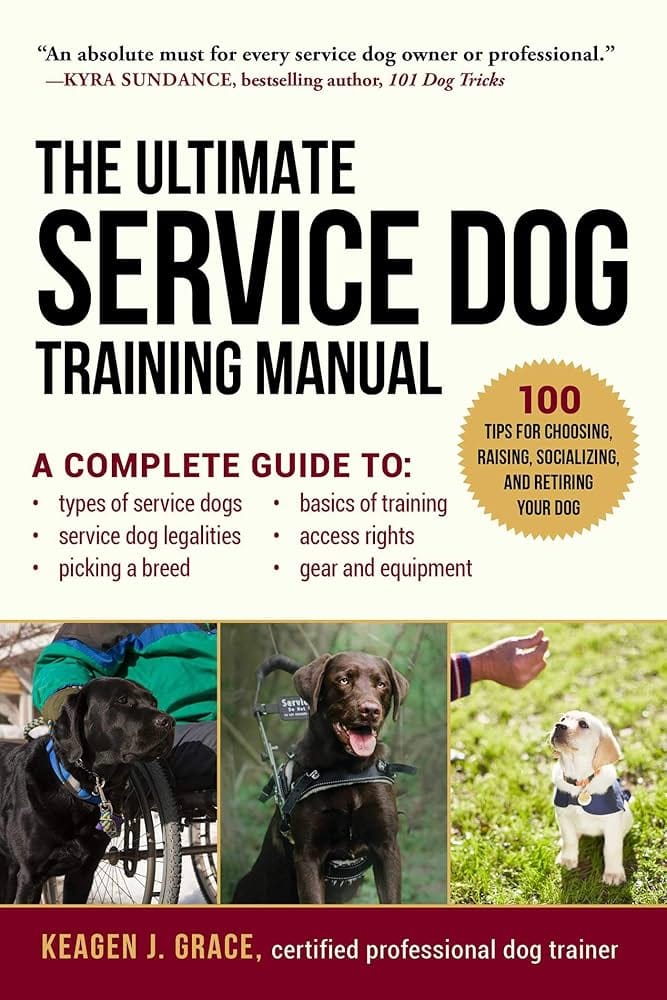
The bond between humans and dogs is ancient and profound, offering comfort, companionship, and unwavering support. For individuals living with Post-Traumatic Stress Disorder (PTSD), this bond can be even more transformative. A PTSD service dog is not just a pet; it’s a highly trained partner that can significantly mitigate the symptoms of PTSD, enabling a fuller, more independent life. Understanding the process of Training A Ptsd Dog is crucial for those considering this life-changing partnership. This guide delves into the essential aspects of what it takes to train a service dog for PTSD, from initial considerations to ongoing support.
Understanding PTSD Service Dogs
PTSD service dogs are specially trained to perform specific tasks that help their handlers cope with the challenges of PTSD. Unlike emotional support animals, which provide comfort through their presence, service dogs are trained to perform actions that directly alleviate symptoms. These tasks can include:
- Deep Pressure Therapy (DPT): When a handler experiences anxiety or a flashback, the dog can lie across their lap or chest to provide calming pressure.
- Interrupting Dissociation: The dog can nudge, lick, or paw at the handler to reorient them to the present moment during dissociative episodes.
- Nightmare Interruption: The dog can wake the handler if they are experiencing a night terror.
- Creating Personal Space: The dog can act as a social buffer in public by standing between the handler and others, or by alerting the handler to an approaching person.
- Retrieving Medication or a Phone: In critical moments, the dog can fetch necessary items.
- Guiding and Alerting: Some dogs are trained to detect physiological changes associated with PTSD, such as a drop in blood pressure or an increase in heart rate, and alert their handler or a third party.
The effectiveness of service dog training for PTSD lies in the dog’s ability to learn and perform these tasks reliably, forming a symbiotic relationship with their handler.
Selecting the Right Dog for PTSD Service
Not every dog is suited for service work. The selection process for a dog that will undergo training PTSD service dogs is rigorous and focuses on temperament, health, and trainability.
Temperament
The ideal candidate possesses a stable, confident, and non-reactive temperament. Key traits include:
- Calmness: The dog should remain calm in various environments, including busy public spaces, loud noises, and sudden movements.
- Sociability: A good service dog is friendly and comfortable around people and other animals but not overly boisterous or easily distracted.
- Confidence: The dog should not be fearful or anxious, as this can hinder their ability to perform tasks and be in public.
- Biddability: The dog must be eager to please and responsive to commands.
- Resilience: The ability to recover quickly from startling situations is vital.
Breeds often considered for service work include Labrador Retrievers, Golden Retrievers, and German Shepherds due to their intelligence, trainability, and common temperaments. However, individual temperament within any breed is paramount.
Health and Genetics
A service dog must be physically capable of performing its duties for many years. This involves:
- Health Clearances: Both parents of a potential service dog should have health clearances for common genetic conditions, such as hip and elbow dysplasia, eye conditions, and heart issues.
- Vigor: The dog should have a good energy level appropriate for the demanding work but not be hyperactive.
Age and Background
Many programs prefer to start with puppies from reputable breeders known for producing dogs with sound temperaments. This allows for early socialization and training. However, some organizations successfully rehome adult dogs that have demonstrated the right aptitude. The key is a thorough assessment of the individual dog’s suitability for training a service dog for PTSD.
The Training Process: A Journey of Partnership
Training a PTSD dog is a multi-faceted process that requires patience, consistency, and a deep understanding of canine behavior. It typically spans 1-2 years and involves several stages.
1. Foundation Skills and Socialization (Puppyhood to ~6 months)
This critical phase involves:
- Basic Obedience: Teaching commands like sit, stay, come, down, and heel. These form the building blocks for more complex tasks.
- House Training: Ensuring the dog is reliably house-trained is fundamental.
- Crate Training: Accustoming the dog to a crate provides a safe space and aids in house training and travel.
- Socialization: Exposing the puppy to a wide variety of sights, sounds, people, places, and other animals in a positive and controlled manner. This helps them develop confidence and become comfortable in diverse environments. This includes desensitization to common triggers like loud noises, crowds, and medical equipment.
2. Advanced Obedience and Task Training (~6 months to 18 months)
Once basic obedience is solid, the focus shifts to:
- Proofing Behaviors: Ensuring commands are reliable in distracting environments.
- Task Training: Teaching the specific behaviors required to mitigate PTSD symptoms. This is highly individualized. For example, training a service dog for PTSD might involve teaching them to:
- Wake Up Training: How to alert the handler during a nightmare.
- Grounding Techniques: How to provide deep pressure or nudge the handler.
- Interruption Behaviors: How to break a panic attack cycle.
- Public Access Training: Preparing the dog to behave impeccably in public places, such as stores, restaurants, and public transport. This includes walking calmly on a leash, ignoring distractions, and remaining unobtrusive. PTSD dog training near me programs often emphasize this aspect heavily.
3. Handler Training and Team Building
The partnership between the handler and the dog is as crucial as the dog’s training. This phase involves:
- Handler Education: Teaching the handler how to cue their dog, read their body language, maintain their training, and advocate for their rights as a service dog team.
- Teamwork: Practicing tasks and public access scenarios together to build a strong, cohesive team. The handler learns to anticipate the dog’s needs and respond effectively to their alerts.
Legal Rights and Responsibilities
In many countries, service dogs are granted public access rights under laws designed to ensure equal opportunities for individuals with disabilities. In the U.S., the Americans with Disabilities Act (ADA) is the primary legislation.
- Rights: Handlers have the right to bring their trained service dog into public places where the public is generally allowed. Businesses can only ask two questions: (1) Is the dog a service animal required because of a disability? and (2) What work or task has the dog been trained to perform? They cannot ask about the handler’s disability or demand documentation.
- Responsibilities: The handler is responsible for the dog’s behavior, hygiene, and well-being. The dog must be under the handler’s control at all times, whether by leash, harness, or voice command if the handler is able. The handler must also ensure the dog does not disrupt the business or pose a direct threat to others.
Understanding these rights and responsibilities is a vital part of the training PTSD service dogs journey, ensuring a positive experience for both the handler and the public.
The Ongoing Commitment: A Lifelong Partnership
The training of a PTSD service dog is not a one-time event; it’s an ongoing commitment.
- Continued Training: Regular practice and reinforcement of commands and tasks are necessary to maintain the dog’s skills.
- Health and Well-being: Regular veterinary check-ups, proper nutrition, exercise, and mental stimulation are essential for the dog’s overall health and happiness.
- Relationship Nurturing: The bond between the handler and the dog is paramount. Spending quality time together, engaging in play, and providing positive reinforcement strengthen their connection.
Training a PTSD service dog is a significant undertaking, but the rewards can be immeasurable. For individuals seeking to regain independence and manage the profound challenges of PTSD, a well-trained service dog can be a true source of empowerment and unwavering companionship. The journey of training a ptsd service dog is one of dedication, partnership, and ultimately, profound healing.
