
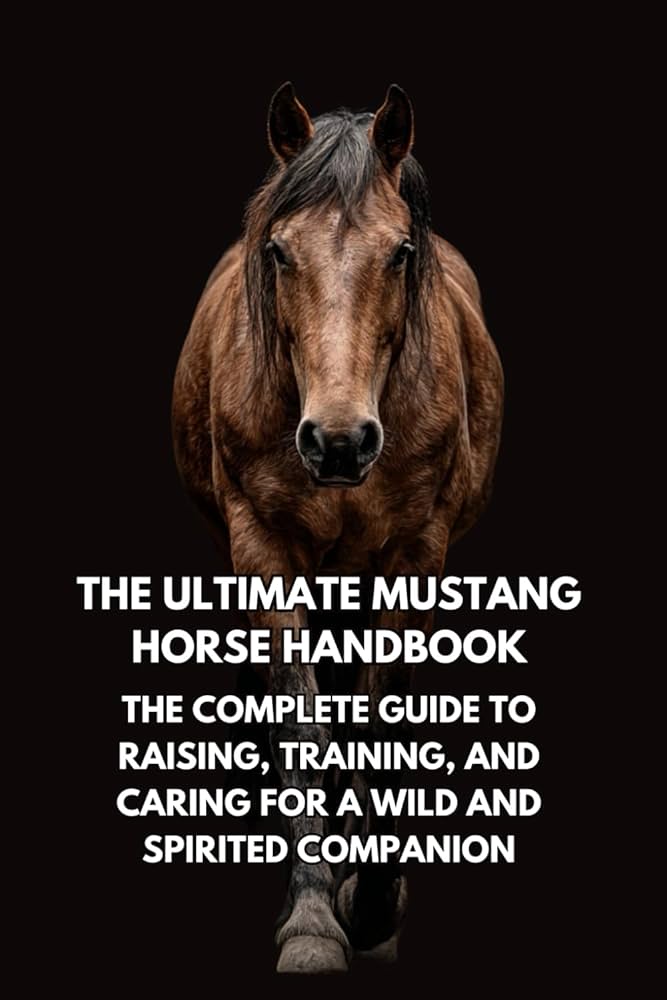
Mustang horses, with their resilient spirit and rugged beauty, have captured the imagination for centuries. These wild equines, descendants of Spanish colonial horses, roam the Western United States, embodying a unique blend of freedom and untamed potential. For those drawn to the challenge and reward of working with these magnificent animals, understanding the intricacies of Training A Mustang Horse is paramount. This guide delves into the methods, considerations, and ethical approaches to successfully tame and train a mustang, fostering a bond built on trust and respect.
Understanding the Mustang: More Than Just a Wild Horse
Before embarking on the training journey, it’s crucial to appreciate the mustang’s heritage and natural instincts. Mustangs are not merely feral horses; they are descendants of horses with a rich history, often possessing a strong survival drive and a natural wariness of humans. This inherent caution, developed over generations in the wild, translates into a need for patience, consistency, and a deep understanding of equine behavior during the training process. Unlike domestic horses that may have been bred for centuries for trainability, mustangs often come with a less predictable temperament, demanding a trainer’s adaptability and keen observation skills.
The Ethical Imperative: Mustang Taming with Respect
The process of training a mustang, often referred to as taming or gentling, must be approached with a strong ethical framework. The Bureau of Land Management (BLM) oversees the management of wild horse populations, including mustang adoptions. These programs aim to find suitable homes for mustangs, emphasizing humane treatment and responsible ownership. Ethical taming focuses on building trust through positive reinforcement and a gradual introduction to human interaction, avoiding any methods that inflict fear or pain. The goal is not to break the horse’s spirit but to earn its cooperation and build a partnership.
Preparing for the Journey: Essential Considerations
Selecting Your Mustang
When considering adopting a mustang, several factors come into play. Age, temperament, and prior handling (if any) are critical. Younger horses, often referred to as “green broke” or untouched, offer a blank slate but require a more significant time commitment. Older mustangs may have some existing knowledge or ingrained habits that need to be addressed. Observing the horse’s reactions in its current environment, understanding its lineage if known, and consulting with experienced mustang handlers or BLM representatives can provide invaluable insights.
Equipping Your Training Space
A safe and controlled environment is essential for successful mustang training. This typically includes:
- A Round Pen: A circular enclosure, usually 50-60 feet in diameter, is ideal for initial groundwork and building a connection. Its confined nature helps focus the horse’s attention and allows the trainer to establish dominance and communication without the distractions of a larger area.
- A Larger Arena or Pasture: Once the horse is comfortable with groundwork, a larger space allows for introducing ridden work and more complex exercises.
- Appropriate Halter and Lead Rope: A well-fitting halter is crucial for initial handling. A long, sturdy lead rope allows for effective communication during groundwork.
- Grooming Tools: Regular grooming not only keeps the horse clean but also serves as a way to build trust and desensitize the horse to human touch.
The Foundational Steps: Groundwork and Desensitization
The cornerstone of training a mustang horse lies in patient and consistent groundwork. This phase is about establishing clear communication and building the horse’s confidence in human presence.
Introduction to Halter and Lead Rope
The initial step involves safely introducing the halter and lead rope. This is done gradually, allowing the horse to investigate the equipment on its own terms. The halter is typically draped over the neck first, then fitted loosely before being secured. The lead rope is attached, and the horse is taught to yield to gentle pressure, moving away from where the pressure is applied. This teaches the horse to respond to cues rather than resisting them.
Desensitization: Overcoming Fear
Mustangs, being prey animals, are naturally wary of unusual objects and sudden movements. Desensitization is the process of gradually exposing the horse to a variety of stimuli in a controlled and non-threatening manner. This can include:
- Touching all parts of the body: Starting with gentle touches on the neck and gradually moving to the legs, belly, and face.
- Introducing novel objects: This might involve plastic bags, flags, tarps, or even a hose. The key is to introduce these items slowly, allowing the horse to observe them from a distance, and rewarding calm behavior.
- Sound desensitization: Gently introducing common stable sounds, and later, more startling noises, at a low volume and gradually increasing it as the horse tolerates.
This process is critical for ensuring the horse remains calm and manageable in various situations, from grooming to riding in different environments.
Pressure and Release
A fundamental principle in mustang training is the use of pressure and release. Gentle pressure is applied to cue a response (e.g., pressure on the lead rope to move forward), and as soon as the horse responds correctly, the pressure is immediately released. This positive reinforcement teaches the horse that yielding to pressure is rewarding. The key is to use just enough pressure to get a reaction, and to release it the instant the desired response occurs. This builds clear communication and avoids creating resistance.
Introducing the Saddle and Rider
Once the mustang is comfortable with groundwork, desensitized to various stimuli, and reliably responds to cues from the lead rope, the next stage is introducing the saddle and, eventually, the rider.
Saddle Introduction
The saddle is introduced gradually. First, the saddle pad is placed on the horse’s back, followed by the saddle itself, allowing the horse to get accustomed to the weight and feel. The girth is then tightened incrementally, ensuring the horse remains relaxed. Patience is vital here; rushing this process can create significant anxiety for the horse.
Introducing the Rider
Mounting a mustang for the first time is a critical moment. The horse should be accustomed to the saddle and girth. The rider will typically swing a leg over the saddle while the horse is calmly standing. Initially, the rider will simply sit in the saddle for short periods, allowing the horse to adjust to the added weight and balance. Gentle commands to walk forward, accompanied by the pressure-and-release technique, are introduced. The first rides are usually short, in a controlled environment, focusing on the horse’s comfort and responsiveness.
Advanced Training and Refinement
As the mustang progresses, the training can move towards more specific disciplines, such as trail riding, arena work, or even ranch work.
Trail Riding Preparation
Taking a newly tamed mustang on the trail requires careful preparation. The horse needs to be comfortable with varied terrain, different surfaces, and potential distractions like wildlife or water crossings. Gradual exposure to trail environments, starting with short excursions in familiar areas and progressively increasing the challenge, is key.
Specific Discipline Training
For those interested in specific equestrian sports like barrel racing or working cow horse, further specialized training is required. This involves teaching the horse specific maneuvers, such as spins, stops, and lead changes, tailored to the demands of the sport. This stage often requires experienced trainers who understand the nuances of both the mustang’s temperament and the sport itself. For instance, training a cow horse requires a deep understanding of both equine athleticism and the cattle’s behavior. Similarly, preparing for events like those at the Northern Nevada Correctional Center wild horse training facility or the Beaty Butte wild horse training facility showcases the dedication and skill involved in transforming mustangs for performance.
Common Challenges and Solutions
- Stubbornness: This often stems from fear or a lack of clear communication. Revisit groundwork, ensure pressure and release are applied correctly, and reward any sign of understanding.
- Fear-Based Reactions: Sudden bolting or bucking can occur when a horse feels threatened. Always approach with calm confidence, provide an escape route, and desensitize gradually. If a horse is exhibiting extreme fear, it’s crucial to reassess the training pace and intensity.
- Resistance to Halter/Saddle: This usually indicates discomfort or a previous negative experience. Slow down the introduction process, ensure equipment fits correctly, and use positive reinforcement to build positive associations.
The Reward: A Bond Forged in Trust
Training a mustang horse is a journey that demands dedication, patience, and a profound respect for the animal. The reward, however, is immeasurable: a deep, trusting partnership with a horse that embodies the spirit of the wild. Each successfully trained mustang is a testament to the power of understanding, ethical handling, and the enduring connection between humans and horses. For those looking for a challenge that offers unparalleled personal growth and a unique equine companion, the path of training a mustang horse is a deeply fulfilling endeavor. This commitment to understanding and partnership is echoed in various equine training programs, such as those inspired by approaches like Rank Rose horse training, emphasizing holistic development and ethical practices.
