
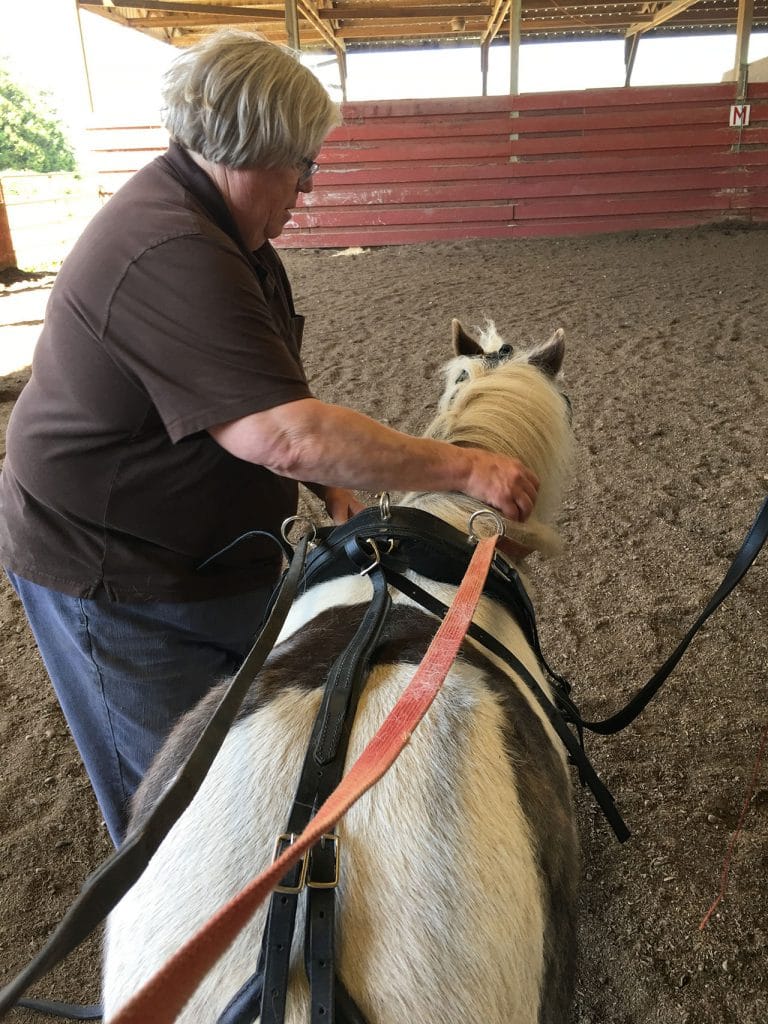
So, you’re interested in the enchanting world of driving a mini horse? It’s a rewarding experience that deepens the bond between you and your equine partner, opening up a realm of activities from parades and shows to simply enjoying a leisurely drive through the countryside. This isn’t just about tacking up and going; it’s a journey that requires patience, understanding, and a systematic approach to ensure both your safety and your mini horse’s well-being. We’ll guide you through the essential steps, from basic groundwork to confidently navigating with your miniature equine friend.
Understanding the Basics: Before You Start Driving
Before even thinking about harnessing your mini horse, there are crucial preparatory steps. A well-adjusted, well-behaved horse is paramount for safe and enjoyable driving. This foundation is built on trust and clear communication.
Selecting the Right Mini Horse for Driving
While many mini horses can be trained to drive, some breeds and temperaments are naturally more suited. Look for a mini horse with a calm demeanor, an intelligent spark, and a willingness to learn. Age is also a factor; while younger horses can be trained, starting with a mature horse (around 3-4 years old) that has a solid groundwork foundation can be beneficial. Ensure your mini horse is healthy, sound, and has no pre-existing conditions that could be exacerbated by driving.
Essential Groundwork and Halter Training
This is the non-negotiable first step. Your mini horse must be comfortable being led, handled, and respond reliably to voice commands and halter pressure. This includes:
- Leading: Your mini should walk calmly beside you on a loose lead, stopping when you stop and starting when you start.
- Grooming: Regular, positive grooming sessions help your horse get used to being touched all over its body, including sensitive areas.
- Tying: The horse should stand patiently tied without excessive pulling or panicking.
- Picking up feet: Essential for farrier work and checking for injuries.
- Desensitization: Gradually exposing your mini to strange objects, sounds, and movements helps build confidence and reduce fear responses later on. This can include tarps, balloons, and even the initial introduction to harness parts.
Establishing a Strong Bond and Trust
Driving requires immense trust. Your mini horse needs to trust you implicitly, knowing you will not put them in danger and will guide them through new experiences. Spend quality time with your horse, engage in positive reinforcement training, and ensure all interactions are fair and consistent. This strong relationship is the bedrock of successful driving training.
Introducing the Harness: A Gradual Process
The harness is a significant piece of equipment, and its introduction must be handled with extreme care and patience. The goal is for your mini horse to accept the harness without fear or resistance.
Familiarization with Harness Components
Lay the harness out and let your mini horse investigate it. Offer treats and praise. Gently touch your horse with different parts of the harness – the traces, the bridle, the saddle. The key is slow, positive exposure. Never force the equipment onto the horse.
The First Harnessing
- Saddle and Girth: Start by placing the saddle pad and then the saddle on your horse’s back. Let it rest there for a while. Gently fasten the girth, ensuring it’s not too tight initially. Remove it and repeat over several sessions, gradually increasing the time the saddle is on and the girth is tightened slightly.
- Breeching and Traces: Introduce the breeching and traces next. These are often the most unfamiliar parts. Let them drag loosely behind the horse for short periods. Reward calm acceptance.
- Bridle and Bit: The bridle and bit are sensitive areas. Ensure the bit is clean and introduce it gently into the mouth. Accustom the horse to the feel of the bridle straps around its head and ears.
Working with the Harness On
Once your mini horse is comfortable wearing the entire harness (without shafts), start walking them around. Practice stopping, starting, and turning while wearing the harness. This helps them get accustomed to the weight and feel of the equipment.
Introducing the Cart and Shafts
This is a critical stage where the horse learns to move forward with the cart attached.
Desensitizing to the Cart
Bring the cart into the training area without attaching it. Let your horse see it, smell it, and get used to its presence. You can even gently nudge the horse with the shafts while they are unattached, rewarding calm reactions.
Attaching the Shafts
Once the horse is comfortable with the cart nearby, you can begin attaching the shafts. With the horse standing calmly, carefully place the shafts into the shaft loops of the harness. Ensure they are securely attached and positioned correctly.
The First Moves with the Cart
This is a significant step. Have a helper if possible. Encourage your mini horse to take a few steps forward. The shafts will naturally guide the movement. Reward any forward movement with praise and treats. Initially, you’re just teaching them that moving forward with the shafts attached is a positive experience.
- Short distances: Start with just a few feet at a time.
- Voice cues: Use clear voice commands for “walk on” or “giddy up.”
- Positive reinforcement: Reward every small success.
Training to Drive: From a Walk to a Controlled Pace
With the horse accustomed to the harness and cart, you can now focus on the actual driving commands and control.
Basic Driving Commands
- “Walk On”: To move forward.
- “Whoa”: To stop. This is the most important command. Practice stopping frequently and rewarding stillness.
- “Hup” or “Gee”: To turn right.
- “Haw”: To turn left.
- “Stand”: To stand still.
Steering and Control
As your horse moves forward, you’ll use the reins to guide them. Apply gentle pressure on one rein to encourage a turn in that direction. Always use two hands on the reins for better control and communication.
Gradual Progression
- Walk: Master a steady walk before introducing any faster gaits.
- Turns: Practice making smooth, controlled turns in both directions.
- Obstacle Courses: Once basic control is established, introduce simple obstacles like cones or poles. This helps improve your horse’s responsiveness and your ability to navigate.
- Varying Terrains: Gradually introduce different surfaces and inclines to build confidence and adaptability.
- Introducing a Partner (Optional): If you plan to drive a pair, introducing a second horse to the process requires its own set of specialized training.
Safety First: Ensuring a Secure Driving Experience
Safety is paramount in all aspects of horse driving.
Pre-Drive Checks
Always inspect the harness and cart before each drive. Check for:
- Wear and tear: Any fraying straps, cracked leather, or loose fittings.
- Proper fit: Ensure the harness sits correctly and isn’t rubbing.
- Cart integrity: Wheels are secure, brakes (if applicable) are functional, and all connections are tight.
Appropriate Environment
- Familiar territory: Start in a controlled, safe environment like a riding arena or a quiet, private road.
- Avoid distractions: Steer clear of busy roads, fast-moving traffic, or unpredictable situations until you and your horse are very experienced.
- Weather conditions: Be mindful of slippery surfaces, high winds, or extreme heat.
Your Equipment
- Driving Whip: A light whip can be used for gentle encouragement or to get the horse’s attention, but should never be used for punishment.
- Gloves: Protect your hands and improve grip on the reins.
- Appropriate Footwear: Sturdy, closed-toe shoes are essential.
- Helmet: While not always mandatory for driving, a helmet is always a wise safety choice.
Horse Welfare
- Hydration: Ensure your horse has access to water, especially during longer drives or warm weather.
- Rest: Don’t overwork your horse. Build up stamina gradually.
- Observe your horse: Pay attention to signs of stress, fatigue, or discomfort.
Advanced Driving and Enjoyment
Once you and your mini horse have mastered the basics, the possibilities are endless.
Showmanship and Competition
Miniature horse driving competitions offer various classes, from halter driving to obstacle courses and pleasure driving. These events are a great way to hone your skills and socialize with other driving enthusiasts.
Trail Driving
Exploring trails offers a different kind of freedom and connection with nature. Be prepared for varied terrain, potential encounters with wildlife, and the need for excellent directional skills.
Parades and Special Events
Miniature horses are a hit in parades and community events. Their size makes them manageable, and their charm captivates audiences.
Frequently Asked Questions (FAQ)
How long does it take to train a mini horse to drive?
Training can vary significantly based on the individual horse’s temperament, prior experience, and the trainer’s consistency. Typically, achieving basic proficiency might take several months of consistent, patient training.
Can any mini horse be trained to drive?
While most mini horses can be trained, some breeds and individuals are naturally more suited. A calm, willing, and healthy horse is ideal.
What is the most important part of driving training?
Building trust and ensuring the horse accepts the harness and cart without fear is the most critical foundation. The “Whoa” command is also paramount for safety.
Should I use a bit when driving my mini horse?
A bit is generally used in driving to provide better communication and control through the reins. However, some trainers opt for bitless bridles, especially for horses with sensitive mouths or for specific disciplines. The choice depends on your horse and your training philosophy.
How often should I drive my mini horse?
Regularity is key. Short, frequent sessions (15-30 minutes, several times a week) are often more effective than infrequent, long sessions. Always ensure your horse is comfortable and not fatigued.
Conclusion: The Joy of Driving Your Mini Horse
Training A Mini Horse To Drive is a commitment, but the rewards are immense. It’s a journey of partnership, understanding, and shared adventure. By approaching the process with patience, consistency, and a deep respect for your equine partner, you’ll unlock a wonderful new dimension in your relationship with your miniature horse. From the thrill of a controlled trot to the simple pleasure of a quiet drive, the world of driving awaits you and your exceptional mini horse.
