
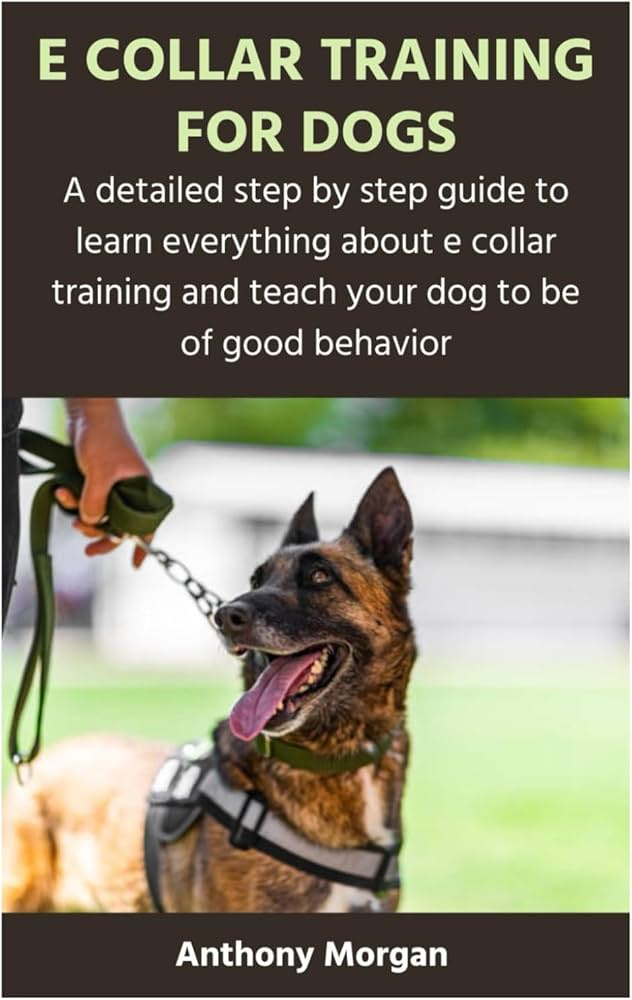
Welcome to the world of dog training, where effective methods and a deep understanding of canine behavior are paramount. As a dedicated content creator for “Dog Care Story,” my mission is to guide you through various training techniques, ensuring you build a strong, positive bond with your furry companion. Today, we’ll delve into a topic that often sparks debate: Training A Dog With A Shock Collar. While this method requires careful consideration and a responsible approach, it can be a powerful tool when used correctly.
Understanding Shock Collars: What Are They and How Do They Work?
Shock collars, also known as e-collars or electronic collars, are training devices that deliver a mild electrical stimulation to a dog’s neck when a signal is sent from a remote control or when the dog performs a specific action (like barking). The intention behind using a shock collar is to create an aversion to an unwanted behavior by associating it with an unpleasant sensation. It’s crucial to understand that the “shock” is typically a low-level static pulse, not a painful jolt. The goal is to provide a distraction or a correction, not to inflict pain or fear.
The Science Behind the Stimulation
The effectiveness of shock collars is rooted in classical conditioning. When a dog performs an undesirable behavior (e.g., jumping on guests, excessive barking), the collar is activated, delivering a sensation. The dog learns to associate the behavior with this unpleasant feeling and, over time, ceases the behavior to avoid the sensation. It’s imperative to remember that the sensation should be startling or uncomfortable, not painful. The intensity of the stimulation can usually be adjusted, and finding the right level is key to humane and effective training.
Types of Shock Collars
There are several types of shock collars available on the market, each designed for different training needs:
- Remote Control Collars: These are the most common type. You, as the handler, press a button on a remote to deliver the stimulation when your dog misbehaves. This allows for immediate, targeted corrections.
- Bark Collars: These collars are activated automatically when they detect barking. They are primarily used to curb nuisance barking.
- Boundary Training Collars: These systems create an invisible fence around your yard. When your dog approaches the boundary, the collar emits a warning tone, followed by a static pulse if the dog continues.
When to Consider Using a Shock Collar
The decision to use a shock collar should not be taken lightly. It’s generally recommended as a last resort, after other positive reinforcement methods have been explored and found insufficient for specific behavioral issues. Shock collars are most often considered for:
- Severe Barking Issues: For dogs whose persistent barking disrupts the household or neighborhood, and who don’t respond to other deterrents.
- Escaped Dogs: For dogs with a strong prey drive or a history of escaping boundaries, a shock collar can be a crucial safety tool to reinforce containment.
- Aggression or Dominance Issues: In very specific, severe cases of aggression or dominance, under the strict guidance of a professional trainer, a shock collar might be employed to interrupt dangerous behaviors.
Important Considerations Before You Start
Before you even consider purchasing a shock collar, it’s vital to:
- Consult a Professional: Speak with a certified professional dog trainer or a veterinary behaviorist. They can assess your dog’s behavior, determine if a shock collar is appropriate, and guide you on its proper use.
- Understand Your Dog’s Temperament: Some dogs are more sensitive than others. A timid or anxious dog may react very differently to a shock collar than a bold, confident one.
- Explore All Other Options: Have you tried positive reinforcement, clicker training, or other humane methods? These should always be your first line of defense.
How to Use a Shock Collar for Dog Training Responsibly
If, after careful consideration and professional guidance, you decide to use a shock collar, responsible usage is paramount. Misuse can lead to fear, anxiety, and aggression in your dog.
Step-by-Step Guide to Using a Remote Shock Collar
- Acclimatize Your Dog: Introduce the collar without turning it on. Let your dog wear it for short periods to get used to the feel of it.
- Find the Right Level: This is arguably the most critical step. Start at the lowest setting and gradually increase the intensity until your dog shows a mild reaction – a head turn, a flick of the ear, or a slight flinch. This is the “working level.” It should be just enough to get their attention, not to cause distress.
- Associate the Sensation with the Behavior: When your dog is about to perform the unwanted behavior, or immediately as they do it, press the button to deliver the stimulation. The timing must be precise.
- Use Positive Reinforcement: Immediately after the stimulation, when your dog stops the unwanted behavior, praise them enthusiastically and offer a high-value treat. This teaches them that not doing the unwanted behavior leads to good things.
- Keep Training Sessions Short and Positive: Aim for short, frequent sessions (10-15 minutes) rather than long, exhausting ones. Always end on a positive note.
- Fade the Collar: As your dog’s understanding and compliance improve, gradually reduce the use of the shock collar. You want your dog to respond to your verbal commands or hand signals alone. The goal is to eventually remove the collar altogether.
What NOT to Do When Using a Shock Collar
- Never use it out of anger or frustration: This will only make your dog fearful and confused.
- Don’t use it as a primary training tool: It should supplement, not replace, positive reinforcement.
- Never use it on a dog you don’t know well: You need to understand their individual sensitivities.
- Don’t use it for punishment after the fact: The correction must be delivered during or immediately after the unwanted behavior.
- Avoid excessive use: Too much stimulation can overwhelm your dog and lead to behavioral problems.
The Debate: Pros and Cons of Shock Collars
Like many training tools, shock collars have vocal proponents and detractors. Understanding both sides is crucial for making an informed decision.
Potential Benefits
- Effectiveness for Certain Behaviors: For some dogs and specific issues, shock collars can be highly effective in quickly interrupting unwanted behaviors.
- Safety: In cases of escape artists or dogs with dangerous tendencies, they can provide a crucial layer of safety.
- Remote Operation: Allows for training at a distance, which can be useful in specific scenarios.
- Reduced Physical Strain: For handlers with physical limitations, a remote collar can be an alternative to physical restraint.
Potential Drawbacks and Risks
- Risk of Fear and Anxiety: Improper use can lead to a dog becoming fearful, anxious, or even aggressive.
- Association Errors: If the timing is off, the dog might associate the shock with the wrong thing (e.g., seeing you, another dog, or a neutral stimulus).
- Suppression of Behavior, Not Understanding: The dog may stop the behavior to avoid the shock but may not understand why the behavior is wrong, leading to other behavioral issues.
- Ethical Concerns: Many animal welfare organizations and professional trainers advocate against their use due to the potential for misuse and the ethical implications of using aversive stimuli.
- Potential for Harm: While rare, improper use or faulty equipment can cause physical harm.
Expert Opinions and Ethical Considerations
The consensus among many modern, reputable dog trainers and animal behaviorists is to prioritize positive reinforcement-based training methods. These methods focus on rewarding desired behaviors, fostering a stronger owner-dog bond, and building a dog’s confidence. However, some professionals do acknowledge that in very specific, well-managed circumstances, e-collars can be a tool.
“When used by a knowledgeable professional, e-collars can be effective for certain behavioral modification cases. However, the potential for misuse is significant, and I always advocate for starting with positive reinforcement techniques. Owners should only consider e-collar training under strict professional supervision.” – Dr. Emily Carter, Veterinary Behaviorist.
The ethical debate often centers on whether it’s justifiable to cause a dog discomfort for the sake of training. Many argue that if a behavior can be modified through positive means, using an aversive tool is unnecessary and potentially harmful.
Alternatives to Shock Collars
Before resorting to a shock collar, explore these highly effective alternatives:
- Positive Reinforcement Training: This is the gold standard. Reward your dog with treats, praise, or toys for good behavior. This builds trust and makes training enjoyable for both of you. Consider exploring best training shock collar for dogs alternatives that focus on positive methods.
- Clicker Training: A form of positive reinforcement where a clicker marks the exact moment a dog performs the desired behavior, followed by a reward.
- Leash Corrections and Verbal Cues: For certain unwanted behaviors, a firm verbal cue or a gentle leash correction (when taught correctly) can be sufficient. Learning how to use a shock collar for dog training might lead you to understand the nuances of timing, but positive methods offer a gentler approach.
- Management: Sometimes, the best approach is to manage the environment to prevent the unwanted behavior from occurring in the first place. This might involve using baby gates, crates, or keeping certain items out of reach.
- Behavior Modification Plans: For complex issues, a professional can create a tailored plan using desensitization and counter-conditioning. The principles behind train a dog with a shock collar can sometimes be adapted into positive reinforcement strategies without the aversive component.
Frequently Asked Questions About Training a Dog with a Shock Collar
Q1: Is training a dog with a shock collar cruel?
A: It can be, if misused. Responsible training involves using the lowest effective level and phasing out the collar as soon as possible, making it a tool for teaching rather than punishment.
Q2: Can shock collars cause long-term psychological damage?
A: Yes, improper use, especially on sensitive dogs or for extended periods, can lead to anxiety, fear, and aggression. This is why professional guidance is essential.
Q3: Are bark collars effective for stopping nuisance barking?
A: Bark collars can be effective for some dogs by interrupting the barking cycle. However, they don’t address the underlying cause of the barking, which needs to be identified and managed.
Q4: When is the best age to use a shock collar on a dog?
A: It’s generally not recommended for puppies, as their behavior is still developing, and they are more sensitive. Most professionals suggest waiting until a dog is at least 6 months old and has had basic training.
Q5: Can I use a shock collar if my dog is aggressive?
A: This is a complex situation. While a shock collar might be used by a professional to interrupt aggression, it’s rarely the sole solution and can sometimes exacerbate aggression if not handled perfectly. Addressing aggression typically requires a comprehensive behavior modification plan.
Q6: How long does it take to train a dog with a shock collar?
A: This varies greatly depending on the dog, the behavior, and the consistency of training. The goal is to use it for the shortest duration necessary to achieve reliable compliance.
Conclusion: A Tool to be Used Wisely
Training a dog is a journey, and the tools you choose play a significant role. While training a dog with a shock collar can be an effective method for specific, challenging behaviors, it demands a high degree of responsibility, knowledge, and ethical consideration. Always prioritize your dog’s well-being and consult with professionals. Remember, the strongest bonds are built on trust, positive reinforcement, and a deep understanding of our canine companions. By exploring all available training methods and choosing the one that best suits your dog’s needs and your capabilities, you can foster a happy, well-behaved dog and a lifelong partnership.
