
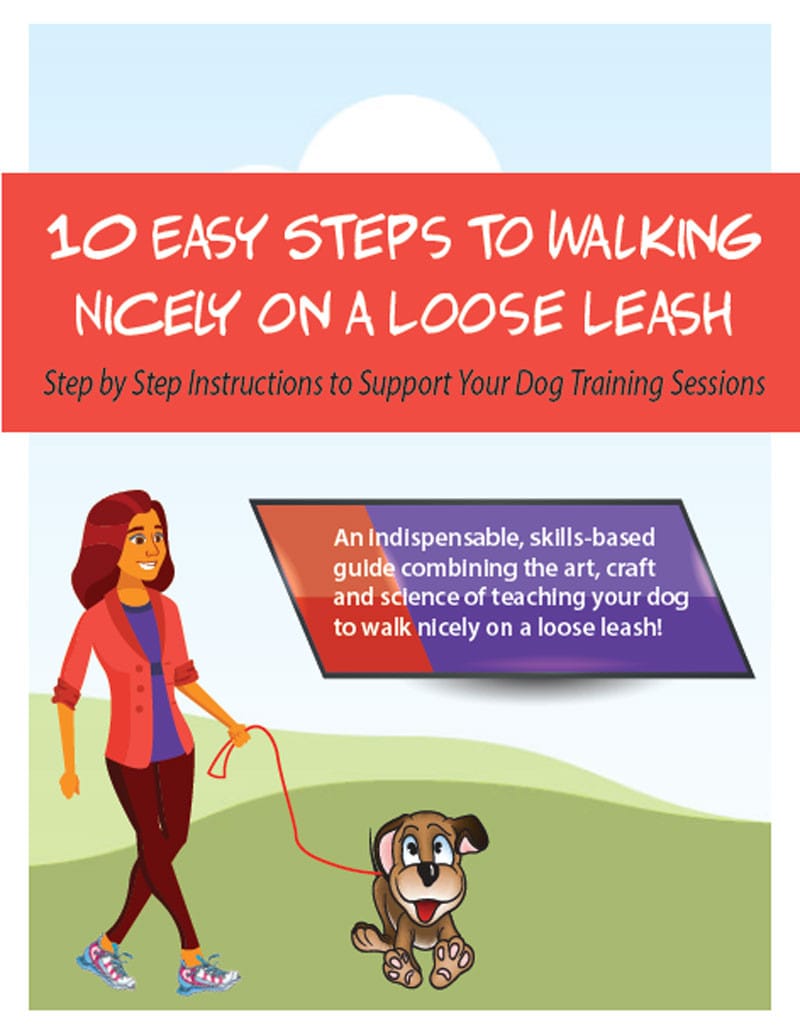
For many dog owners, the simple act of walking their canine companion can turn into a frustrating tug-of-war. The common scenario involves a dog with an unyielding desire to forge ahead, dragging their owner along with them. This behavior, often stemming from a combination of genetics and learned responses, can be managed and corrected with consistent training and the right approach. This guide explores the reasons behind leash pulling and provides effective strategies for cultivating a more enjoyable walking experience.
Understanding the Roots of Leash Pulling
Dogs pull on leashes for a variety of reasons, with genetics playing a significant role for certain breeds. Scent Hounds, like Beagles, are predisposed to follow scents with determination, often ignoring discomfort or the restraint of a leash. Similarly, Arctic breeds such as Huskies and Malamutes were developed to pull sleds, making pulling a natural inclination. Akitas, on the other hand, were bred for hunting and guarding, typically exhibiting more docile and dignified behavior. However, genetics are not the sole determinant; a dog’s environment and interactions with their owners heavily influence their behavior. Even breeds with a genetic predisposition to pulling can be trained to walk politely with consistent positive reinforcement.
The Influence of Genetics and Environment
While breeds like Beagles may have an inherent tendency to pull due to their scent-tracking heritage, and Arctic breeds are naturally inclined to haul, it’s crucial to remember that these are predispositions, not destiny. Akitas, despite their less common association with pulling, can still be observed doing so if their owners inadvertently reinforce the behavior. The way owners interact with their dogs significantly shapes their leash manners. For instance, a dog that pulls to investigate something immediately receives a reward in the form of reaching that object, inadvertently teaching them that pulling is effective. Managing and preventing unwanted behaviors from the outset is far more effective than correcting them once they’ve become ingrained. Dogs pull on their leashes for lots of reasons.
Positive Reinforcement for Polite Walking
The most effective way to teach good leash manners is through positive reinforcement. This approach focuses on rewarding desired behaviors rather than punishing unwanted ones. When a dog is rewarded for walking calmly by its owner’s side, it learns that this behavior is desirable. The key is to make yourself more rewarding than the environment.
Making Yourself the Ultimate Reward
From the very first walk, it’s essential to establish that walking by your side with a loose leash is the norm. This involves consistently rewarding your dog with treats and praise when they maintain a relaxed leash and stay close to you. If your dog pulls ahead, stop moving. Only resume walking when the leash slackens, and then immediately reward the desired behavior. This teaches the dog that pulling halts progress, while a loose leash encourages movement forward. The use of a clicker can be an effective tool, marking the exact moment the dog performs the desired behavior, followed by a high-value treat. This association helps the dog understand precisely what earns them a reward.
Gradual Progression and Management Tools
Introducing distractions gradually is vital. Start training in a low-distraction environment, like a backyard, before moving to more stimulating areas like the front sidewalk. When faced with distractions, such as a falling leaf, the dog’s natural instinct might be to lunge. If the leash tightens and progress stops, the dog learns that pulling is counterproductive. A step back and a sit can then be rewarded, reinforcing the idea that a loose leash and calm behavior lead to positive outcomes. While no-pull products like head halters or harnesses can offer immediate control, they should be used in conjunction with positive reinforcement training. These tools can help manage the dog during the learning process, but the ultimate goal is for the dog to walk politely because it is intrinsically rewarding, not just because they are wearing specific equipment. Good dog training techniques can help manage behavioral issues.
Applying Training to Adult Dogs and Rescue Cases
The same principles of positive reinforcement apply to adult dogs and rescue animals, though it may require more patience and effort. Adult dogs who have a long history of pulling may be more challenging to retrain, as the behavior has been consistently reinforced over time. This often necessitates the use of highly motivating treats – such as freeze-dried liver or chicken – to compete with the environmental rewards the dog is accustomed to.
Patience and Consistency for Adult Dogs
When working with an adult dog, such as the Beagle mix Princess, patience and consistency are paramount. It’s crucial to create an environment where walking calmly by your side is more rewarding than pulling. This involves consistently stopping when the leash tightens and rewarding any slack or return to your side. Gradually introducing distractions and using management tools can aid in the process. While Princess returned home without mastering loose-leash walking during her short stay, the principles remain effective for owners committed to the training process. Training a dog with separation anxiety also requires a tailored approach with patience.
The Role of No-Pull Products
No-pull products can be valuable aids, but they are not a substitute for training. Head halters, front-clip harnesses, and stretchy leashes can provide greater immediate control, allowing the owner to manage the dog while implementing positive reinforcement. However, relying solely on these tools without addressing the underlying behavior can lead to a situation where the dog only walks well when wearing the equipment. The goal is to foster a genuine understanding and preference for polite leash manners. By combining effective management tools with consistent positive reinforcement, owners can transform even determined pullers into companions who walk gracefully by their side. For those seeking professional guidance, services like dog training in Phoenix, Arizona can offer expert support.
Ultimately, cultivating good leash manners is an ongoing process that requires understanding, patience, and a commitment to positive training methods. By making yourself the most rewarding aspect of the walk and consistently reinforcing desired behaviors, you can transform a frustrating experience into a harmonious journey with your canine companion.
