
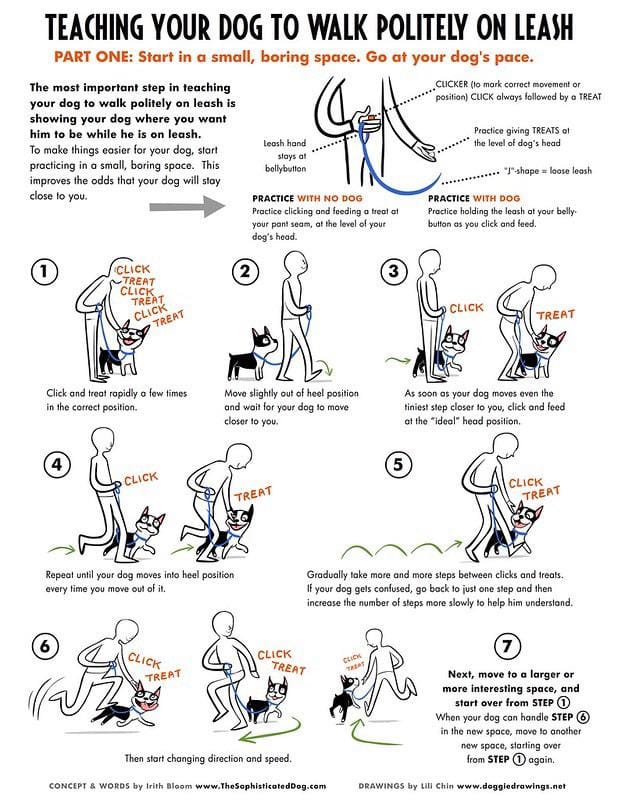
Embarking on the journey of leash training with your canine companion is a fundamental step towards enjoyable walks and a stronger bond. It’s more than just preventing your dog from pulling; it’s about establishing clear communication and mutual understanding. This guide will walk you through the essential steps, common challenges, and expert tips to ensure your dog becomes a confident and well-behaved walking partner. We’ll cover everything from the initial introduction to the leash to mastering loose-leash walking in various environments.
The Foundation: Introduction to Leash and Collar/Harness
Before you even step outside, your dog needs to be comfortable with the equipment. This initial phase is crucial for building a positive association.
Choosing the Right Equipment
The choice between a collar and a harness depends on your dog’s breed, size, and temperament.
- Collars: Traditional and come in various types like flat collars, Martingale collars, and head halters. Flat collars are suitable for most dogs, while Martingale collars are recommended for breeds with narrow heads. Head halters offer more control but require a proper introduction.
- Harnesses: Distribute pressure across the chest and back, reducing strain on the neck. Front-clip harnesses are particularly effective for dogs that pull, as they redirect the dog back towards you when they lurch forward. Back-clip harnesses are comfortable but offer less anti-pulling benefit.
Ensure any collar or harness fits snugly but comfortably, allowing two fingers to slide underneath.
Acclimating Your Dog to the Gear
Start by letting your dog wear the collar or harness for short periods indoors. Offer treats and praise while they have it on. Initially, they might try to scratch or bite at it, which is normal. Distract them with a toy or a game. Gradually increase the duration they wear the equipment until they seem completely unfazed.
Step-by-Step Leash Training
Once your dog is comfortable with the gear, it’s time to introduce the leash.
Introducing the Leash Indoors
Attach the leash to the collar or harness while indoors. Let your dog drag it around under supervision for a few minutes. This helps them get used to the feeling of being attached to something. Reward them with treats and calm praise. Avoid pulling or tugging at this stage; the goal is familiarization.
Teaching “Heel” or “Loose Leash Walking”
This is where the actual training begins. The core principle is rewarding your dog for walking beside you with a relaxed leash.
- Start with Short Sessions: Begin in a quiet, distraction-free area like your living room or backyard.
- Lure and Reward: Hold a treat in your hand near your dog’s nose and lure them to walk beside your leg. As they move with you, praise them and give them the treat.
- Use a Cue Word: Introduce a verbal cue like “Heel” or “Let’s go.” Say the cue just as they are walking nicely beside you.
- Release the Leash Gently: If your dog starts to pull, stop walking immediately. Wait until the leash slackens (they might turn back to look at you or sit down). As soon as there’s slack, praise and start walking again. This teaches them that pulling stops the fun, while a loose leash continues it.
- Vary Your Pace and Direction: Occasionally change your walking speed or direction. This keeps your dog engaged and teaches them to pay attention to your movements.
- Gradually Increase Difficulty: Once they are doing well indoors, move to more challenging environments like your yard, then quiet streets, and eventually busier areas.
Common Leash Pulling Problems and Solutions
Pulling is the most common issue during leash training. Here’s how to address it:
The “Stop-and-Go” Method
As mentioned, the most effective technique is to stop whenever your dog pulls. Don’t yank or pull back aggressively, as this can encourage more resistance. Simply freeze, wait for slack, and then resume walking. Consistency is key; every family member needs to follow this rule.
Rewarding “Good” Walking
Actively reward your dog when the leash is slack. Make it a party! Use high-value treats, enthusiastic praise, or even a quick game of tug. This positive reinforcement makes loose-leash walking more appealing than pulling.
Using the Right Equipment
If pulling persists despite consistent training, reassess your equipment. A front-clip harness can be a game-changer for many strong pullers. It redirects their momentum when they pull, making it uncomfortable and less effective for them to surge forward.
Addressing Distractions
Dogs are easily distracted by squirrels, other dogs, people, or interesting smells.
- Pre-emptive Management: Identify potential distractions and try to manage them before your dog reacts. If you see another dog approaching, create distance by crossing the street or stepping behind a car.
- Redirection: When a distraction occurs, use a happy tone to call your dog’s attention back to you. Offer a high-value treat or a favorite toy to redirect their focus. You might need to practice “look at that” games where you reward your dog for calmly observing a distraction.
- Increase Engagement: Make walks more engaging for your dog. Practice simple obedience cues like “sit,” “stay,” or “touch” during the walk. Play “find it” by tossing a few treats on the ground.
Advanced Training Techniques
Once your dog has a good grasp of basic loose-leash walking, you can refine their skills.
Walking in Different Environments
Practice in progressively more distracting environments: parks, busy sidewalks, near other dogs. Always be prepared to go back a step if your dog struggles. Bringing along highly motivating treats or a favorite toy can help maintain focus in challenging situations.
Handling Encounters with Other Dogs
Teach your dog to remain calm when passing other dogs. Start at a distance where your dog can see another dog without reacting, and reward them for calm behavior. Gradually decrease the distance as they improve. If your dog becomes overly excited or anxious, increase the distance again.
Teaching Different Walking Cues
Beyond “heel,” you can teach cues for stopping (“wait”), turning (“this way”), or slowing down. This provides your dog with clear instructions and makes walks more cooperative.
Troubleshooting Common Issues
My dog is still afraid of the leash/harness.
Solution: Go back to basics. Use extremely high-value treats and very short, positive exposure sessions. Never force the equipment on your dog. Consider trying a different type or brand of collar/harness, as some materials or designs might be more comfortable.
My dog lunges and barks at everything.
Solution: This often stems from fear or over-arousal. Focus on desensitization and counter-conditioning. Reward your dog for looking at triggers calmly from a distance. You may need to consult a professional dog trainer or a veterinary behaviorist for persistent reactivity issues. Training dogs to walk on leash requires patience and understanding of their emotional state.
My dog seems to have forgotten everything when we go outside.
Solution: The outdoors presents many more stimuli than indoors. Start with very short walks in less distracting areas and gradually build up duration and complexity. Ensure you’re using treats that are motivating enough for the outdoor environment. Consistent practice is vital for how to train a dog to walk on a leash.
The Benefits of a Well-Trained Walking Dog
A dog that walks nicely on a leash is a joy to be around. It opens up opportunities for longer hikes, visits to pet-friendly establishments, and more relaxed daily strolls. It also significantly enhances your safety and your dog’s safety by allowing you to control them effectively in potentially hazardous situations. Remember, dog training walking on leash is an ongoing process that strengthens your bond and leads to a happier, more harmonious life together. This commitment to Training A Dog To Walk On A Leash pays dividends for years to come.
