
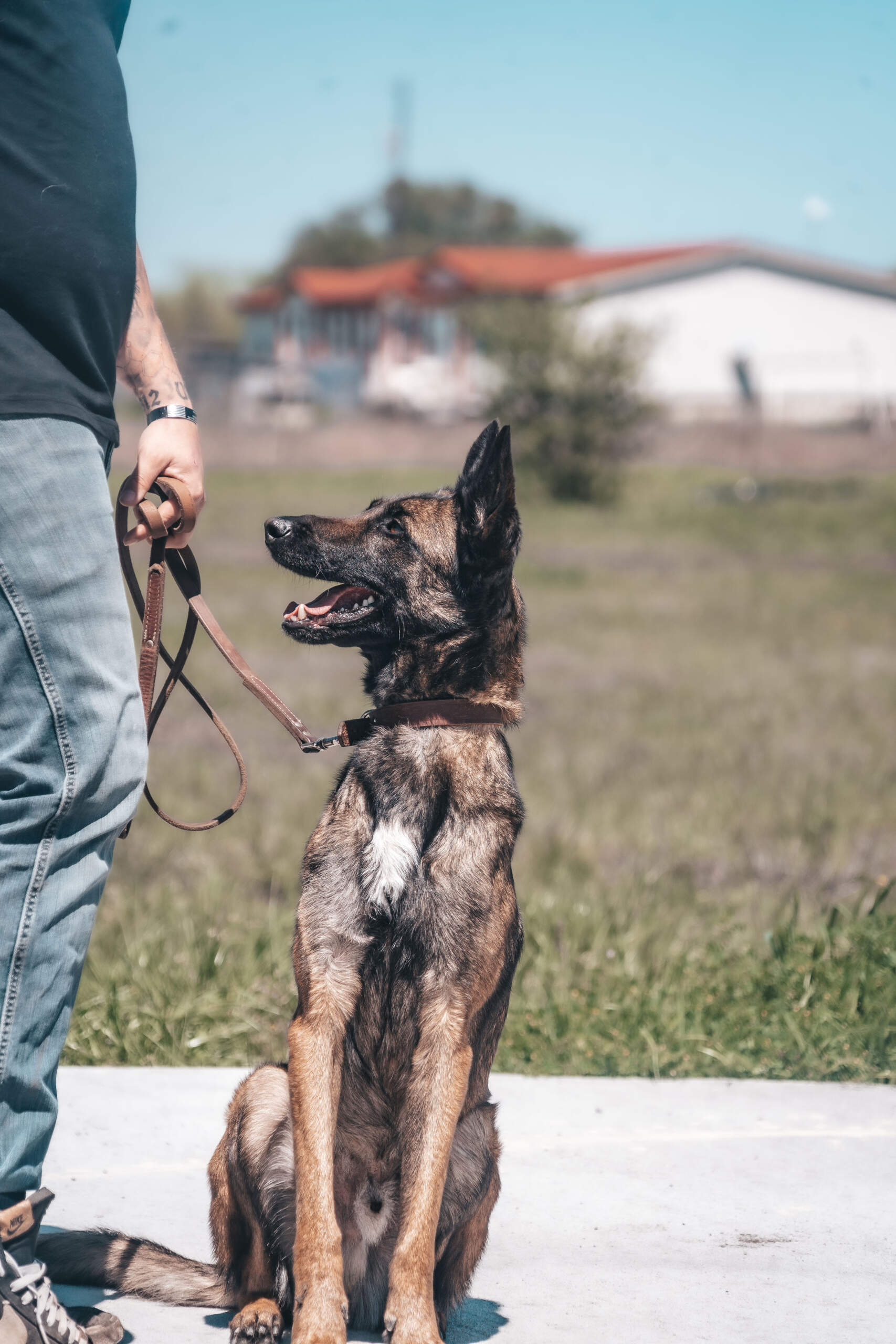
Teaching your dog to come when called is one of the most crucial skills you can impart, ensuring their safety and strengthening your bond. It’s not just about obedience; it’s about fostering trust and understanding between you and your canine companion. A reliable recall is the bedrock of a happy, safe dog, allowing them the freedom to explore while knowing they can always return to your side.
The “Why” Behind a Reliable Recall
Why is teaching your dog to come when called so important? Imagine this: your dog is joyfully chasing a squirrel in the park, and suddenly they dart towards a busy road. Or perhaps they’ve spotted another dog and are off like a shot, ignoring your calls. In these critical moments, a strong recall can be a lifesaver, preventing accidents and reuniting you with your furry friend. It also gives your dog more freedom; with a solid recall, you can be more relaxed at the dog park or on hikes, knowing they won’t wander off into danger. This training is fundamental to responsible dog ownership and is a key component of how to train recall in dogs.
Laying the Foundation: Starting with the Basics
Before you even think about calling your dog from across a park, you need to build a solid foundation in a controlled environment. This involves making yourself the most exciting thing in your dog’s world.
Make Yourself the Ultimate Prize
Your dog should view coming to you as the best reward possible. This means using high-value treats – think small pieces of chicken, cheese, or liver – that they only get when they come when called.
The Power of a Cue Word
Choose a clear, consistent cue word. “Come” is traditional, but any word works as long as you stick to it. Avoid using it casually or when you’re frustrated, as this can dilute its meaning.
Positive Reinforcement is Key
Never punish your dog for not coming when called, especially in the early stages. This will only teach them to associate coming to you with negative experiences. Instead, focus on rewarding them enthusiastically when they do respond. This positive association is vital for teach your dog to come when called.
Gradual Progression: From Indoors to Outdoors
Once your dog understands the basic concept in a quiet room, it’s time to gradually introduce distractions and new environments.
Phase 1: Controlled Indoor Practice
- Short Distances: Start with your dog just a few feet away. Say their name, followed by your cue word (“Buddy, Come!”).
- Enthusiastic Greeting: When they come, use a happy, excited tone. Shower them with praise and give them a high-value treat.
- Hide and Seek: Have a family member hold your dog while you hide behind a door or piece of furniture. Call your dog excitedly. When they find you, reward them generously. This game makes coming to you a fun surprise.
Phase 2: Introducing Mild Outdoor Distractions
- Secure, Quiet Areas: Move to a fenced yard or a quiet, enclosed park. Start at a very short distance again.
- Use a Long Line: Attach a long training leash (15-30 feet) to your dog. This gives them a sense of freedom while ensuring you maintain control if they hesitate. If they don’t come, a gentle tug on the line can help encourage them, but always follow up with praise and a reward once they reach you.
- Increase Distance Gradually: As your dog becomes more reliable, slowly increase the distance.
Phase 3: Real-World Challenges
- Increasing Distractions: Progress to areas with more distractions, like a park during a less busy time. You might encounter other dogs, people, or interesting smells.
- The “Come” Game: Make it a game! Run away from your dog for a few steps while calling them. Most dogs will instinctively chase you. Reward them heavily when they catch up.
- Vary Rewards: Don’t always use treats. Sometimes, a favorite toy, a vigorous game of fetch, or just enthusiastic praise can be just as rewarding. This variety helps keep them engaged and wanting to come back.
Common Pitfalls and How to Avoid Them
Even with the best intentions, training can hit a snag. Recognizing common mistakes can help you get back on track.
- Punishing for Non-Compliance: This is the biggest mistake. If your dog doesn’t come, don’t scold them when they finally reach you. This will only make them wary of your recall cue. Instead, try to set them up for success by starting again in an easier environment.
- Calling Them for Unpleasant Things: Avoid calling your dog only to do something they dislike, like giving them a bath, putting them in their crate, or leaving the park. If possible, go to them for these activities. If you must call them, make sure to follow up with a treat after the unpleasant activity is done. This is crucial for how to get your dog better at recall.
- Inconsistent Use of the Cue Word: Don’t use “Come” for everything. If you’re playing fetch, don’t say “Fido, Come!” when you mean “Fido, Fetch!” Stick to one cue for recall.
- Overestimating Your Dog’s Reliability: Never assume your dog’s recall is perfect, especially in highly distracting environments. Always use a long line in new or potentially risky areas until you are absolutely confident.
Advanced Training Techniques
For those looking to push their dog’s recall skills even further, consider these advanced methods.
The Whistle Recall
Some owners find a distinct whistle sound more effective than a verbal cue, especially over longer distances or in noisy environments. If you choose to use a whistle, be consistent with the pattern and duration of the sound.
Recall Games
- Round Robin: With a few people, stand in a circle and take turns calling your dog. Each person rewards the dog when they arrive. This teaches the dog to respond to any family member.
- Tether Tag: In a safe, open area, attach your dog to a long tether. Have someone gently pull the tether while you call your dog. The slight tension can encourage them to move towards you.
Social Proof in Training
When you see other well-trained dogs with excellent recalls, it’s a powerful motivator. Observing how experienced owners manage their dogs in distracting environments can offer valuable insights. For instance, understanding training dogs to come back when called involves recognizing that consistency and positive reinforcement are universal principles.
When Professional Help is Needed
If you’re struggling with your dog’s recall despite consistent effort, or if your dog exhibits significant fear or reactivity, it might be time to seek professional help. A certified professional dog trainer or a veterinary behaviorist can assess your specific situation, identify underlying issues, and develop a tailored training plan. Sometimes, a different perspective or specialized techniques can make all the difference. Looking into options like zoom room dog training tacoma could provide structured, expert guidance.
Conclusion: Building a Lifelong Bond Through Recall
Training your dog to come when called is a journey, not a destination. It requires patience, consistency, and a deep understanding of positive reinforcement. By making recall training fun and rewarding, you not only ensure your dog’s safety but also forge an unbreakable bond built on trust and communication. Every successful recall is a small victory, a testament to your dedication and your dog’s willingness to connect with you. Keep practicing, keep rewarding, and enjoy the freedom and security that a reliable recall brings to both your lives. Mastering this skill is a cornerstone of a happy, harmonious life with your dog.
