
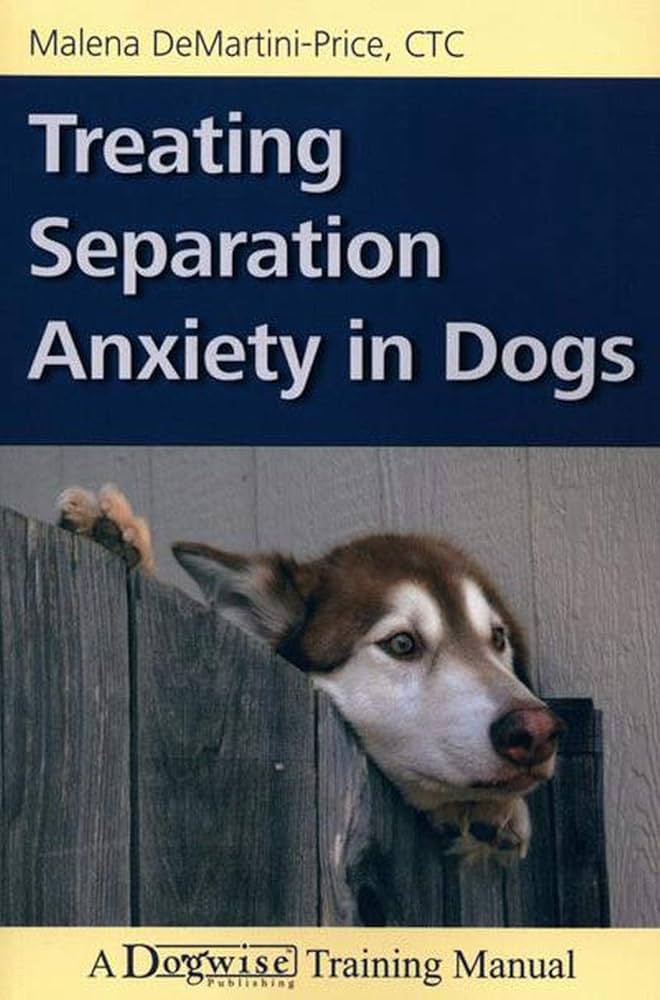
Separation anxiety is a common and distressing issue for many dog owners, characterized by a dog’s extreme distress when left alone. This can manifest in various destructive or disruptive behaviors, including house soiling, excessive barking, chewing, digging, and escape attempts. While these issues might seem like a lack of basic manners, they often point to a deeper emotional problem: separation anxiety, triggered by a dog’s attachment to their guardians. This article will explore the common symptoms, potential causes, and effective treatment strategies for separation anxiety in dogs, offering guidance to help owners resolve this challenging behavior.
Common Symptoms of Separation Anxiety
Dogs suffering from separation anxiety exhibit a range of distress signals when separated from their owners. These can include:
- Urinating and Defecating: Unexplained house soiling, particularly when the owner is absent, is a frequent indicator. This is distinct from house soiling that occurs in the owner’s presence.
- Barking and Howling: Persistent vocalization that occurs only when the dog is left alone suggests separation anxiety.
- Chewing, Digging, and Destruction: Destructive behaviors directed at doors, windows, or household objects, often resulting in self-injury, can be a symptom. These actions typically cease when the owner is present.
- Escaping: Desperate attempts to escape confinement, which can lead to self-injury, are common in severely anxious dogs.
- Pacing: A repetitive, pattern-based walking behavior can be observed when the dog is left alone.
- Coprophagia: In some cases, dogs may consume their own excrement when left unsupervised.
Why Do Some Dogs Develop Separation Anxiety?
While the exact cause of separation anxiety remains unclear, certain life events are strongly associated with its development. These often involve changes or losses in a dog’s life:
- Change of Guardian or Family: Abandonment, shelter surrender, or rehoming can trigger anxiety.
- Change in Schedule: Abrupt alterations in routine, such as a significant increase in the time a dog is left alone, can be a factor.
- Change in Residence: Moving to a new home may induce separation anxiety.
- Change in Household Membership: The absence of a family member, whether due to death or moving out, can be a trigger.
Medical and Behavioral Issues to Rule Out
Before assuming separation anxiety, it’s crucial to rule out other potential causes for the observed behaviors:
- Medical Problems: Incontinence due to urinary tract infections, aging, or other health issues can cause house soiling. Consult your veterinarian to rule out any underlying medical conditions.
- Medications: Certain medications can lead to increased urination.
- Submissive or Excitement Urination: Some dogs urinate in specific social contexts, not due to anxiety when alone.
- Incomplete House Training: Occasional accidents might indicate a need for further house training.
- Urine Marking: Scent marking behaviors are different from anxiety-driven house soiling.
- Juvenile Destruction: Destructive chewing in young dogs can occur regardless of owner presence.
- Boredom: A lack of mental and physical stimulation can lead to destructive behavior when a dog is left alone.
- Excessive Barking or Howling: Vocalization can be triggered by external stimuli, not just separation.
What to Do If Your Dog Has Separation Anxiety
Treating separation anxiety requires patience and a consistent approach, focusing on desensitization and counterconditioning.
Treatment for Mild Separation Anxiety
For mild cases, counterconditioning can be effective. This involves associating the experience of being alone with positive reinforcement.
- Puzzle Toys: Provide your dog with a food-stuffed puzzle toy, such as a KONG®, each time you leave. These toys should be challenging enough to keep your dog occupied for at least 20-30 minutes.
- High-Value Food: Use tasty, high-value foods to stuff the toys. Freezing the toy can prolong the engagement.
- Routine Feeding: Consider feeding your dog all meals in these special toys to create a strong positive association with alone time.
Treatment for Moderate to Severe Separation Anxiety
More severe cases require a structured desensitization and counterconditioning program, ideally guided by a professional.
- Graduated Departures: Begin with very short absences, ensuring they are shorter than the time it takes for your dog to become anxious. Gradually increase the duration of these absences over many weeks.
- Predeparture Cues: If your dog shows anxiety as you prepare to leave (e.g., picking up keys, putting on shoes), practice these cues randomly throughout the day without actually leaving. This helps desensitize your dog to these triggers.
- Out-of-Sight Stays: Practice “stay” commands with increasing duration and distance, progressing from inside doors to exit doors.
- Calm Greetings: Keep departures and arrivals low-key. Avoid overly emotional goodbyes and enthusiastic greetings. Ask your dog to perform known commands upon your return to help them calm down.
- Constant Supervision: It is crucial that your dog is never left alone except during desensitization sessions. Arrange for dog sitters, daycare, or take your dog with you whenever possible.
Additional Support and Considerations
- Crate Training: While beneficial for some dogs, crates can increase anxiety for others. Monitor your dog’s response and consider confining them to a single room with a baby gate if a crate is not suitable.
- Enrichment and Exercise: Provide ample physical and mental stimulation. Daily aerobic exercise, interactive play, varied walks, social interaction with other dogs, and food puzzle toys can significantly reduce anxiety. Hiding kibble around the house can also encourage foraging behavior.
- Reward-Based Training Classes: Enrolling in training classes can enhance your dog’s mental activity and strengthen your bond. Practice learned skills before leaving your dog alone.
- Medications: In severe cases, medication prescribed by a veterinarian or veterinary behaviorist can help manage anxiety and make behavior modification more effective. Always consult a professional before administering any medication.
What NOT to Do: Never scold or punish your dog for behaviors related to separation anxiety. These are distress responses, and punishment will only exacerbate the problem.
