
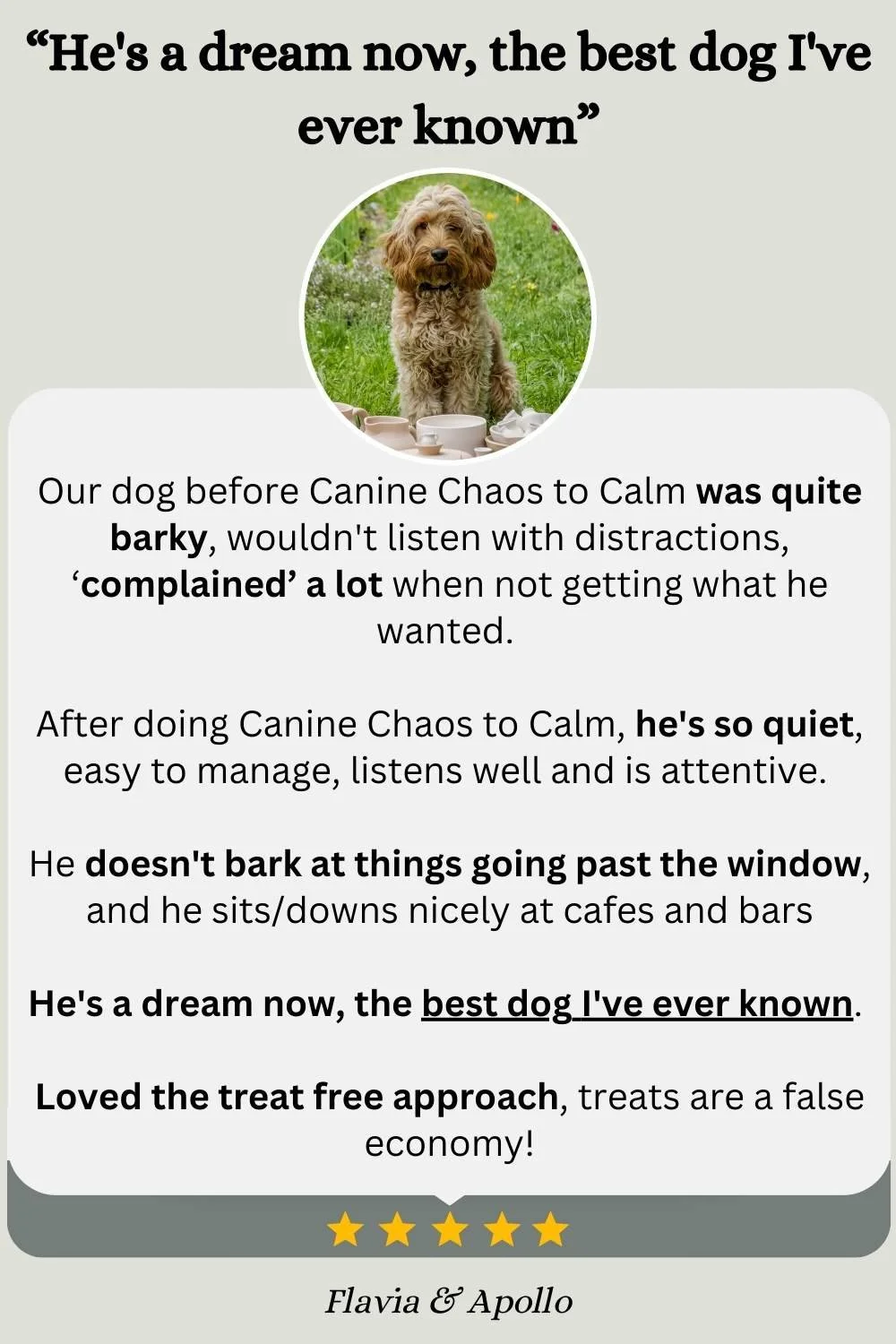
As a passionate advocate for “Dog Care Story,” my goal is to shape and convey the brand’s spirit by creating website content that enhances recognition and fosters a community of dog lovers. This article aims to be a comprehensive resource for understanding and addressing excessive barking in dogs.
Is your furry friend’s vocalization becoming a bit much? Whether it’s the mail carrier’s daily arrival, a passing squirrel, or just the sheer joy of existing, dogs bark. It’s their primary way of communicating. However, when barking becomes excessive, it can strain relationships with neighbors, disrupt household peace, and even indicate underlying issues for your dog. This guide dives deep into why dogs bark and, more importantly, how to help manage and reduce unwanted vocalizations, ensuring a quieter and happier life for both you and your canine companion.
Understanding Why Dogs Bark
Before we can effectively address barking, it’s crucial to understand the root causes. Dogs bark for a variety of reasons, each stemming from their instinctual behaviors and needs. Identifying the trigger is the first step toward implementing the right training approach.
Common Reasons for Canine Vocalization:
- Territorial/Protective Barking: This is perhaps the most common type. Dogs bark when they perceive a threat to their territory, whether it’s your home, yard, or even you. This can include strangers approaching, delivery people, or other animals.
- Alarm/Fear Barking: Similar to protective barking, this is a reaction to a startling noise or a perceived threat. It can be anything from a loud bang to a new object in their environment.
- Boredom/Attention-Seeking Barking: Dogs are social creatures and need mental and physical stimulation. If left alone for long periods or not provided with enough interaction, they may bark out of boredom or to solicit attention from their owners.
- Greeting/Excitement Barking: Many dogs bark when they are happy or excited, such as when you arrive home or when guests visit. This is usually accompanied by happy body language like tail wags.
- Compulsive Barking: In some cases, barking can become a compulsive behavior, often seen in dogs with separation anxiety or those who have been confined for extended periods. This type of barking can occur without an apparent trigger.
- Medical Issues: Sometimes, excessive barking can be a sign of a medical problem, such as pain, cognitive dysfunction (in older dogs), or hearing loss. If the barking is sudden and persistent, a vet check is essential.
Strategies for Training a Dog Not to Bark
Successfully training a dog to bark less involves a combination of understanding their needs, consistent training, and positive reinforcement. It’s not about silencing your dog completely but about teaching them when barking is appropriate and when it’s not.
1. Manage and Desensitize to Triggers
For territorial and alarm barking, management and desensitization are key.
- Block the View: If your dog barks at things they see outside, block their view by using curtains, blinds, or frosted window film. If they bark at noises, try white noise machines or calming music.
- Desensitization: Gradually expose your dog to their triggers at a distance where they don’t react. Reward calm behavior with treats and praise. Slowly decrease the distance over time, always staying below the threshold that causes barking. This process requires patience and consistency. For instance, if your dog barks at people walking by the window, start by having someone walk by far down the street, rewarding your dog for remaining quiet. As they get comfortable, gradually have the person walk closer.
2. Address Boredom and Attention-Seeking Barking
A tired dog is a quiet dog. Ensure your dog gets adequate physical and mental exercise daily.
- Daily Exercise: Long walks, runs, or vigorous play sessions can significantly reduce pent-up energy that might otherwise be expressed through barking.
- Mental Stimulation: Puzzle toys, treat-dispensing toys, scent games, and training sessions can keep your dog’s mind engaged, preventing boredom. Try rotating toys to keep them interesting.
- Ignoring Attention-Seeking Barks: If your dog barks for attention, the worst thing you can do is reward them with it (even negative attention is still attention). Wait for a moment of silence before engaging with them. When they are quiet, offer praise and a small treat. This teaches them that quiet behavior gets rewarded.
3. Teach the “Quiet” Command
This is a crucial command for managing barking.
- Step-by-Step:
- When your dog barks, wait for a brief pause.
- As soon as they stop barking, say “Quiet” in a calm but firm voice and immediately reward them with a high-value treat.
- Gradually increase the duration of silence required before giving the treat.
- Practice this in various situations and with different triggers.
- The “Speak” Command: Interestingly, teaching your dog to bark on command (“Speak”) can help you teach them to be quiet. Once they reliably bark on command, you can then cue “Speak,” let them bark once or twice, and then cue “Quiet” and reward them for stopping. This gives you control over their barking.
4. Socialization and Exposure
Proper socialization from a young age is vital. Exposing puppies to various sights, sounds, people, and other well-behaved dogs can prevent fear-based barking later in life. For adult dogs, controlled introductions to new stimuli can also be beneficial.
5. Never Punish Barking
Punishing your dog for barking, especially with harsh methods, can be counterproductive. It can increase anxiety, fear, and aggression, potentially leading to more or different behavioral problems. Instead of punishment, focus on understanding the cause and rewarding desired behaviors.
When to Seek Professional Help
While many barking issues can be resolved with consistent training and owner intervention, some cases may require professional guidance.
- Veterinarian: If you suspect a medical condition is causing the barking, consult your vet immediately. They can rule out any underlying health issues.
- Certified Professional Dog Trainer or Behaviorist: For persistent or severe barking problems, especially those related to anxiety, fear, or compulsive behaviors, a qualified professional can provide a personalized behavior modification plan. They have the expertise to diagnose complex issues and implement safe, effective strategies. For example, owner training service dog programs often address specific vocalization needs through specialized training.
Conclusion: Building a Quieter Bond
Training A Dog Not To Bark excessively is a journey that requires patience, consistency, and a deep understanding of your dog’s needs and motivations. By identifying the root cause of the barking and applying appropriate training techniques, you can significantly reduce unwanted vocalizations. Remember, a dog’s bark is their voice, and our role is to help them use it appropriately, fostering a harmonious relationship built on clear communication and mutual respect. This journey is not just about silence; it’s about building a stronger, quieter, and more connected bond with your beloved canine companion. If you’re looking for more tips on managing specific behaviors, understanding how to stop dog barking at nothing can provide further insights into the nuances of canine communication. Mastering techniques similar to training your dog not to bark can transform your household dynamic.
