
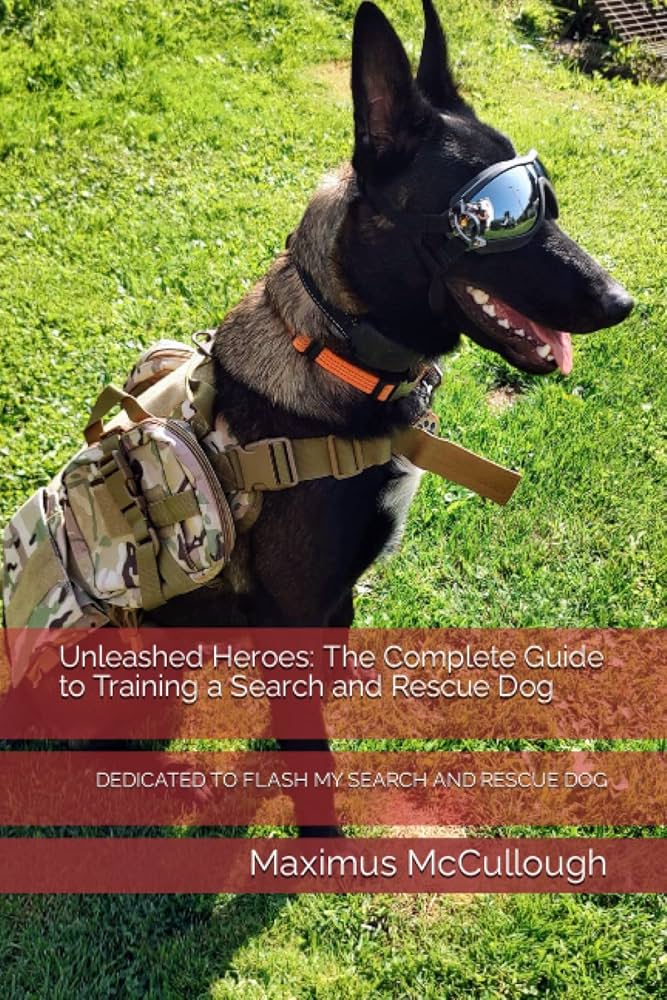
Bringing a dog into your life is a profound commitment, and for some, that commitment extends to the extraordinary world of search and rescue (SAR). These canine heroes are more than just pets; they are highly trained partners who play a critical role in saving lives. If you’re considering embarking on this challenging yet rewarding journey, understanding the nuances of Training A Dog For Search And Rescue is paramount. This guide will delve into the essential aspects, from selecting the right candidate to advanced techniques, ensuring your journey is both effective and ethical.
The Foundation: Is Your Dog Suited for SAR Work?
Not every dog possesses the innate drive, physical attributes, and temperament required for SAR work. The selection process is crucial.
Temperament and Drive
The ideal SAR dog candidate is confident, not easily spooked, and possesses a strong desire to work and please. They should be highly motivated by praise, toys, or food – whatever drives them to excel. A dog that is overly timid, aggressive, or easily distracted will struggle in the high-stress environments typical of SAR operations. Their prey drive, when channeled correctly, is essential for the hunt and find aspect of their work.
Physical Fitness and Health
SAR work is physically demanding. Dogs need to be agile, possess good stamina, and be free from health conditions that could hinder their performance or be exacerbated by the work. This includes joint health, respiratory function, and overall physical conditioning. Regular veterinary check-ups and a proper diet are non-negotiable.
Breed Considerations
While many breeds can excel in SAR, certain characteristics are more prevalent in successful SAR dogs. Breeds like German Shepherds, Belgian Malinois, Labrador Retrievers, and Golden Retrievers are often chosen for their intelligence, trainability, athleticism, and inherent working drives. However, a dog’s individual drive and trainability often outweigh breed stereotypes.
The Puppy or Adult Dog: When to Start Training
Training for search and rescue can begin at different stages, each with its own advantages.
Puppy Training: Building from the Ground Up
Starting with a puppy allows you to shape their development from the earliest stages. This involves extensive socialization, basic obedience, and gradually introducing them to SAR-related concepts and environments. Early exposure to various sights, sounds, and textures is vital for building a confident and adaptable SAR dog. This foundational work is similar to search and rescue training for dogs where early exposure builds confidence.
Adult Dog Training: Leveraging Existing Strengths
Adopting an adult dog with a suitable temperament can also be a viable option. Many adult dogs, especially those from rescue organizations, may already have some training or possess the drive and intelligence to learn. The key is to assess their existing skills, temperament, and health thoroughly before committing to SAR training.
Essential Training Components for SAR Dogs
A well-rounded SAR dog requires training in several key areas.
1. Basic Obedience: The Cornerstone
Impeccable obedience is non-negotiable. This includes reliable recall, a strong “stay,” “down,” “sit,” and “heel.” These commands ensure the dog is under control at all times, especially in potentially chaotic SAR situations. Advanced obedience will be crucial for their specialized tasks, and understanding dog training for search and rescue is key here.
2. Advanced Obedience and Agility
Beyond basic commands, SAR dogs need to navigate challenging terrain, jump obstacles, and move with precision. Agility training helps build their confidence, coordination, and physical conditioning. This prepares them for the varied environments they will encounter, from collapsed structures to dense wilderness.
3. Scent Work: The Heart of the Mission
The ability to detect and indicate human scent is the core of most SAR work. This involves specialized training techniques that teach the dog to follow a scent trail and alert their handler when they find the target. This can range from air-scenting for a person lost in the wilderness to trailing a specific scent. The goal is to develop a strong, consistent alert.
4. Environmental Exposure and Desensitization
SAR dogs must be comfortable and unfazed by a wide array of stimuli. This includes loud noises (sirens, gunfire), unfamiliar people, other animals, confined spaces, heights, water, and various weather conditions. Gradual and positive exposure is key to desensitizing the dog and building their confidence.
5. Handler-Dog Relationship: The Critical Bond
The bond between the handler and the dog is the most critical element in SAR. This relationship is built on trust, clear communication, and mutual respect. Constant training, working together, and understanding each other’s cues are essential for success. This partnership is what enables effective search and rescue dogs training.
Specializations in Search and Rescue
SAR work is not a one-size-fits-all discipline. Dogs and handlers often specialize in specific areas:
- Wilderness Search: Locating lost individuals in natural environments like forests or mountains. These dogs typically use air-scenting.
- Urban Search and Rescue (USAR): Searching for victims in collapsed structures, such as after earthquakes or explosions. This often involves rubble piles and confined spaces.
- Water Search: Locating drowning victims in bodies of water.
- Cadaver Detection: Finding human remains.
- Tracking: Following a specific human scent trail on the ground.
The Training Process: A Long-Term Commitment
Training a SAR dog is a marathon, not a sprint. It requires patience, consistency, and a significant time investment.
Finding a Reputable SAR Group
Most handlers train with established SAR organizations. These groups provide experienced mentors, structured training programs, and opportunities for real-world field exercises and certifications. Choosing a reputable group is vital for proper guidance and ethical training practices. This is where you’ll learn the specifics of fema search and rescue dog training if that is your focus.
Certification and Ongoing Training
Once a dog and handler team reach a certain level of proficiency, they will undergo rigorous certification processes, often set by national or state organizations. These certifications validate their skills and readiness for deployment. However, training doesn’t end with certification; ongoing practice and advanced training are essential to maintain peak performance.
Challenges and Rewards
The path to becoming a SARK9 team is filled with challenges. There will be frustrating training days, setbacks, and moments of doubt. The physical and emotional demands on both the dog and handler are immense. However, the rewards are immeasurable. The first time your dog alerts you to a hidden victim, the knowledge that you’ve played a part in reuniting a family, and the profound bond forged through shared purpose are experiences that transcend ordinary life.
Ultimately, training a dog for search and rescue is about more than just teaching commands; it’s about nurturing a partnership built on trust, courage, and an unwavering commitment to helping others. It’s a journey that transforms a dog into a hero and a handler into a vital member of a life-saving team.
