
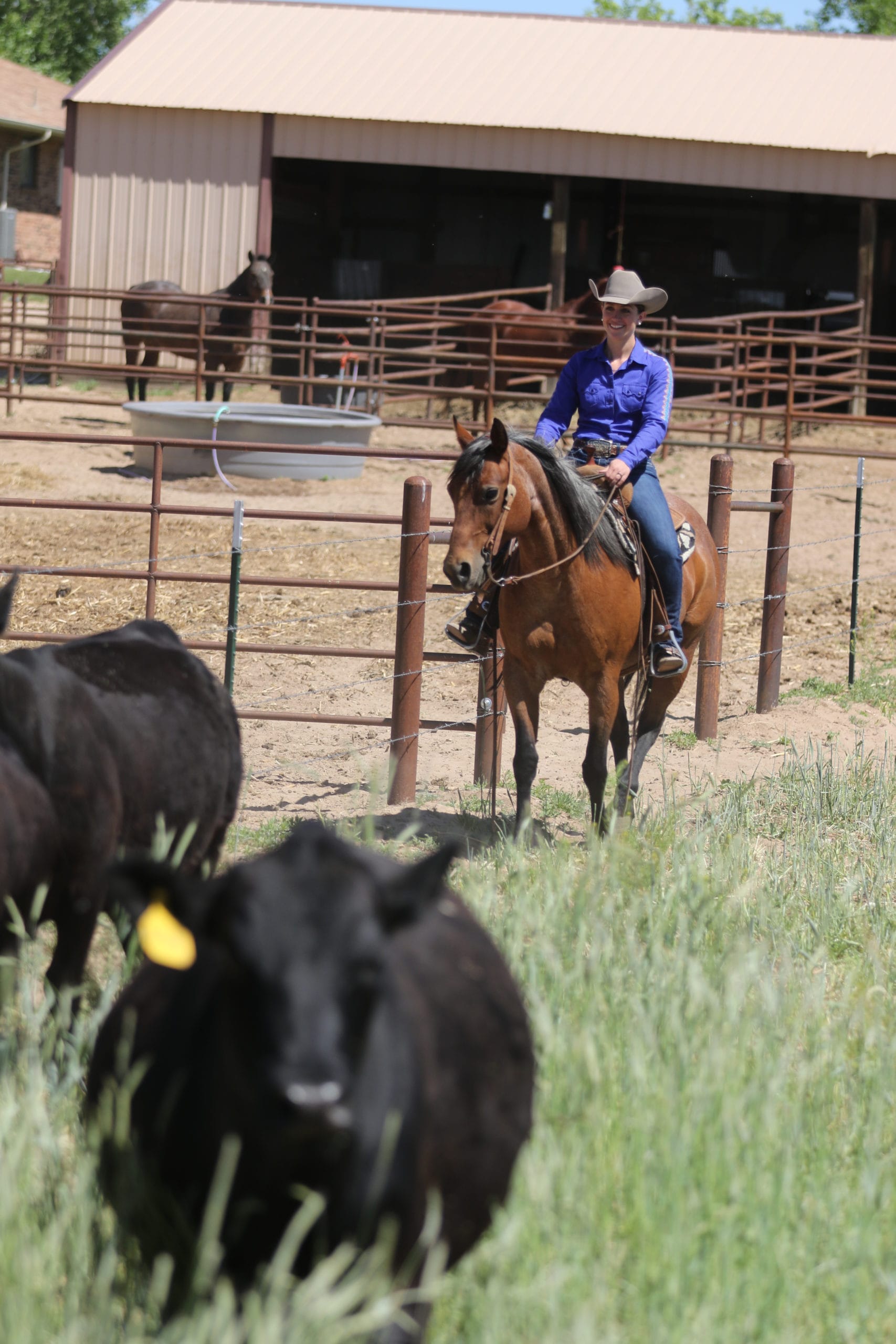
The thrill of working cattle is a unique partnership between human, horse, and herd—a dynamic dance of instinct, athleticism, and trust. For many riders, Training A Cow Horse represents the pinnacle of horsemanship, blending precise reining maneuvers with the innate intelligence of a stock animal. But creating a reliable, confident cow horse doesn’t happen by chance. It’s a methodical journey that starts long before you ever enter a pen with a cow, building a foundation of communication and control that allows your horse’s natural abilities to shine.
This guide will walk you through the essential stages of training, from establishing the fundamental skills to making that crucial first introduction to cattle. Whether your goal is competitive success in the show ring or practical work on a ranch, the principles of patience, preparation, and positive reinforcement are the keys to unlocking your horse’s potential. A well-started horse is a willing partner, and understanding the philosophy behind the process is just as important as the techniques themselves. This journey has deep roots in tradition, drawing from philosophies like the historic vaquero method horse training, which emphasizes softness and a gradual, refined education.
What Defines a Great Cow Horse?
Before diving into the mechanics, it’s crucial to understand what you’re aiming to create. A great cow horse isn’t just fast or agile; it’s a thinking partner. The goal is to cultivate “cow sense”—an intuitive ability for the horse to read, anticipate, and react to a cow’s movements with minimal input from the rider.
This isn’t about programming a series of commands. Instead, it’s about empowering the horse to do its job. A trainer’s role is to provide the horse with the physical tools and mental confidence to make the right decisions. The best cow horses work because they want to, not because they are forced to. They are engaged, focused, and find satisfaction in controlling the cow. This mindset is the ultimate goal of your training.
The Unbreakable Foundation: Skills Before Cattle
Jumping into cattle work without a solid foundation is a recipe for frustration and failure. A horse that is struggling with basic commands cannot possibly focus on the complexities of a moving cow. Before you even think about livestock, your horse must be proficient in several key areas.
Mastering Body Control: The Reins and Legs
You need to have complete and independent control over every part of your horse’s body. This means your horse must respond instantly and softly to both leg and rein cues.
- Moving the Shoulders: Your horse should move its shoulders to the left or right based on light leg pressure applied at the girth. This is essential for positioning the horse correctly to block or turn a cow.
- Controlling the Hips: Similarly, the horse must yield its hindquarters away from leg pressure applied behind the girth. This allows for precise turns and pivots.
- Softness in the Bridle: The horse should be responsive to the neck rein, turning smoothly without resistance. It must also be able to “break at the poll,” flexing softly in response to rein pressure rather than pushing against the bit.
These skills ensure you can place your horse exactly where it needs to be, when it needs to be there. This level of responsiveness is a hallmark of many dedicated training systems, including methods like rank rose horse training, which focuses on creating a supple and willing partner.
The Critical Stop and Turn
Two of the most important maneuvers for a cow horse are the stop and the rollback.
- The Stop: A cow horse needs to stop hard and deep, planting its hind feet in the ground while keeping its front end light and free. This allows it to halt its momentum instantly to match a cow’s sudden stop.
- The Rollback: This is a 180-degree pivot over the hindquarters. After a hard stop, the horse should be able to immediately roll back in the opposite direction to stay with a turning cow. It’s a fluid, powerful movement that is fundamental to all cow work.
First Contact: How to Introduce Your Horse to Cattle
The first introduction to cattle is a pivotal moment that can shape your horse’s entire career. The goal is to make it a positive, confidence-building experience, not a frightening one.
Desensitization: Sight, Sound, and Smell
Before putting your horse in a pen with cattle, let it get used to their presence from a safe distance. Tie your horse where it can see, hear, and smell the cows for several sessions. Let it observe them while you groom or saddle. The goal is for the novelty to wear off and for the horse to realize that cows are not a threat. You can then progress to riding around the outside of the cow pen, asking your horse to focus on you and your cues while the cattle move about.
The “Mirroring” Game: Low-Pressure Tracking
For the first in-pen session, your only goal is to teach the horse to follow a cow.
- Choose the Right Cow: Select a single, slow, and calm cow. Avoid anything wild or aggressive.
- Keep Your Distance: Don’t crowd the cow. Stay far enough back that the cow feels no pressure and continues to walk at a relaxed pace.
- Just Follow: Your job is to simply guide your horse to mirror the cow’s every move. If the cow walks, you walk. If the cow stops, you stop. If it turns right, you turn right.
- Be Patient: Do not try to “work” the cow or get ahead of it. This initial phase is purely about observation. You are letting the horse watch the cow and begin to connect its own movements to the cow’s. This low-pressure approach builds curiosity and confidence.
Developing Cow Sense: From Follower to Thinker
After several sessions of simple tracking, you’ll start to feel a change. Your horse will begin to anticipate the cow’s movements. This is the beginning of “cow sense.”
“Hooking On”: Letting the Cow Teach the Horse
You’ll know your horse is “hooking on” when it stops because the cow stopped, not because you pulled the reins. Or when it turns with the cow before you’ve given a cue. This is the moment you’ve been waiting for. The horse is no longer just following your commands; it’s starting to read the situation and think for itself.
When this happens, begin to loosen your control. Allow the horse to make more decisions, stepping in only to correct or guide when necessary. The cow is now the primary teacher. Modern tools can also be invaluable here; practicing on a mechanical cow for cutting horse training allows you to drill specific movements and build muscle memory without overtiring expensive live cattle.
Perfecting Your Positioning
As your horse gains confidence, you can begin to teach it how to influence the cow. The key is positioning. By moving your horse up toward the cow’s hip, you can encourage it to move forward or turn. By moving toward its head, you can cause it to stop and turn back. Learning to read these pressure points is a skill for both horse and rider.
A common mistake is to be more active than the cow. Your horse should match the cow’s intensity. If the cow is calm, the horse should be calm. If the cow gets quick, the horse can get quick.
When to Correct vs. When to Guide
If your horse makes a mistake related to its foundation training (e.g., ignoring a leg cue), it’s crucial to disengage from the cow entirely. Move the horse to another part of the arena, correct the issue with a specific drill, and only return to the cow when the problem is resolved. This ensures the horse never associates discipline with the act of working cattle, which must remain a positive and engaging activity. Developing these skills can take time, which is why many seek out communities and professionals in areas known for this work, making regions famous for horse training in texas a popular destination for aspiring cow horse enthusiasts.
The Influence of Horsemanship Traditions
The art of training a cow horse is steeped in history, with different approaches evolving from regional needs and philosophies. The methods of the American West, for instance, are deeply influenced by the vaquero tradition, which has given rise to distinct styles. Understanding these can provide a richer context for your training. For example, the principles found in buckaroo horse training emphasize a long-term, step-by-step process that creates a highly finished and versatile stock horse. These historical methods prioritize building a solid, versatile foundation that serves the horse in any task it’s given.
Frequently Asked Questions About Training a Cow Horse
What is the best age to start training a cow horse?
Most trainers begin with solid foundation work under saddle when the horse is two or three years old. The introduction to cattle typically happens after the horse is confident and responsive in its basic training, often late in its three-year-old year or as a four-year-old.
What breeds are best for cow horse work?
The American Quarter Horse is the most popular breed due to its muscular build, agility, and natural “cow sense.” Other breeds like Appaloosas, Paints, and some Mustangs can also excel at cow work if they possess the right conformation and mindset.
How do I keep my horse from getting scared of the cows?
The key is a slow, methodical introduction. Never force a fearful horse to approach cattle. Use the desensitization techniques described above, allowing the horse to gain confidence at its own pace. Positive reinforcement is crucial.
How long does it take to train a cow horse?
It varies greatly depending on the horse’s natural ability and the consistency of the training. A basic, reliable working horse can be developed in about a year of consistent work, while a top-level competition horse takes many years of refinement.
Can I train a cow horse by myself?
While it’s possible for an experienced horseperson to start a horse on cattle, it is highly recommended to seek guidance from a professional trainer. They can help you avoid common pitfalls, ensure safety, and help you and your horse progress much more effectively.
The Journey to a True Partnership
Training a cow horse is one of the most rewarding disciplines in the equestrian world. It is a true test of horsemanship that goes beyond simple commands to build a deep, communicative partnership. The process demands patience and a commitment to building a solid foundation, but the result is a horse that is not only a skilled athlete but a willing and intelligent partner. By focusing on confidence and letting the cow be the teacher, you can unlock the incredible natural talent within your horse and experience the unparalleled thrill of working as one.
