
Bringing a new kitten into your home is an exciting time, but it also comes with the responsibility of teaching them good behavior. Occasional play biting and scratching are normal for kittens, but it’s crucial to guide them away from these habits early on. This ensures you can enjoy a playful, affectionate bond with your feline friend throughout their life without the risk of injury.
Redirecting Playful Energy
Kittens are naturally energetic and playful, which can sometimes lead them to target your hands and feet. It’s vital to redirect this energy onto appropriate outlets. Teach your kitten that toys are for attacking, not your body parts. When your kitten starts to nip or grab at you, respond with a firm “no!” and immediately redirect their attention to a toy. This redirection, coupled with a brief pause in play, helps them understand the boundary. Crucially, never use your hands or feet as playthings. Always opt for toys, especially those that keep a safe distance between your body and your kitten, such as feather wands, balls, or stuffed toys.
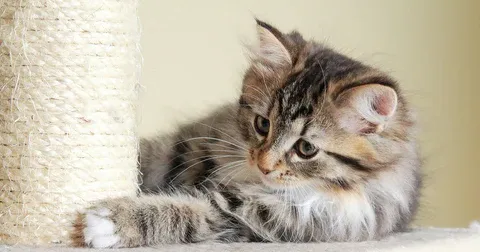 A kitten playing with a scratching post
The Importance of Scratching Posts
Scratching is an innate behavior for cats, serving purposes like claw maintenance, stretching, and marking territory. During play, kittens may extend their claws as part of their hunting and pouncing practice, which is a normal expression of play aggression. However, if this practice is directed at you, it’s essential to redirect your kitten to their scratching post or designated toys. Observing your kitten’s body language, such as dilated pupils, a swishing tail, and flattened ears, can help you anticipate an impending pounce or scratch. Providing multiple scratching posts throughout your home – ideally, one per cat plus an extra – is key to managing their scratching needs.
 A kitten engaged in playful scratching
Immediate Response to Aggression
If your kitten exhibits excessive biting or scratching, it’s imperative to address it promptly. When such behavior occurs, cease all interaction and play immediately. Step away from your kitten and out of their reach. Withholding attention and avoiding any form of reward, even negative attention, is the most effective approach. A temporary withdrawal of your presence for 5-10 minutes allows your kitten to calm down and learn that aggressive behavior leads to solitude. Consistent application of this method will help your kitten understand that unwanted actions result in the loss of your attention. This strategy is particularly effective for kittens and affectionate adult cats who value your interaction. Remember to remain calm and patient, as cats respond best to positive reinforcement.
Using Your Voice Effectively
Your voice is a powerful tool in communicating your feelings to your kitten. When your kitten nips, use a sharp, clear “ouch!” or “no!” command. This vocal cue, combined with ignoring the unwanted behavior, reinforces that their actions are unacceptable. Avoid shouting, as an angry tone can make your kitten fearful or anxious, potentially worsening the problem. Maintain a calm demeanor throughout the training process. Once your kitten has calmed down, you can resume play, using your voice to praise and reward good behavior. It’s important to stop play whenever your kitten becomes overexcited or too rough.
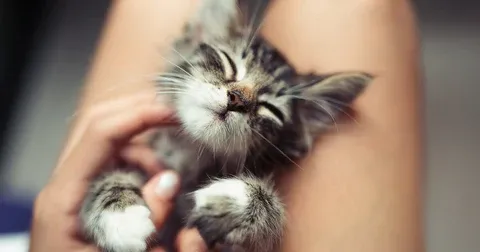 A group of cute kittens
Daily Playtime is Crucial
Establishing a routine of daily play sessions, ideally 10-15 minutes twice or thrice a day, is fundamental for your kitten’s well-being. Regular play helps build a strong bond between you and your pet, reduces stress, and allows them to expend excess energy, thus minimizing aggression. Teaching your kitten how to play calmly is an integral part of your journey together. By consistently reinforcing good play behaviors and ignoring unwanted ones, your kitten will learn appropriate conduct.
Avoiding Reinforcement of Unwanted Actions
It can be tempting to continue playing or fussing with your kitten even after they’ve bitten or scratched you. However, this attention can inadvertently reinforce these behaviors, leading your kitten to believe they are acceptable or even a way to gain more attention. Always disengage and ignore your kitten immediately when unwanted biting or scratching occurs.
 A kitten's health check-up
Rule Out Health Issues
If biting or scratching persists, or if your cat displays unusual aggression, it’s essential to consult a veterinarian. Underlying health issues, such as pain or illness, can cause a cat to feel defensive and more prone to attacking. A thorough veterinary check-up can help identify and address any potential health concerns contributing to behavioral changes.
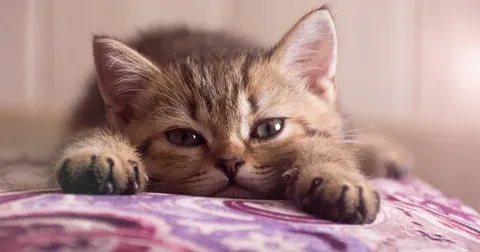
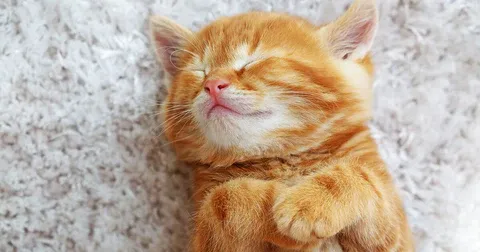 A calm kitten resting
Cultivating a Calm Environment
A stressed or anxious kitten is more likely to exhibit biting and scratching behaviors. Creating a calm and secure environment is paramount. Ensure your kitten has adequate resources, including sufficient hiding spots, easy access to food, water, and litter trays, and an appropriate number of scratching posts. Maintain a consistent routine for meals and playtime, and minimize sudden loud noises or significant changes in the household. Utilizing a diffuser like FELIWAY Optimum in your cat’s primary living space can further support a tranquil atmosphere, helping to reduce undesirable behaviors such as scratching, spraying, and hiding.
By consistently applying these training methods, you can help your kitten develop into a well-behaved and affectionate companion. Patience, positive reinforcement, and a clear understanding of feline behavior are key to success.
