
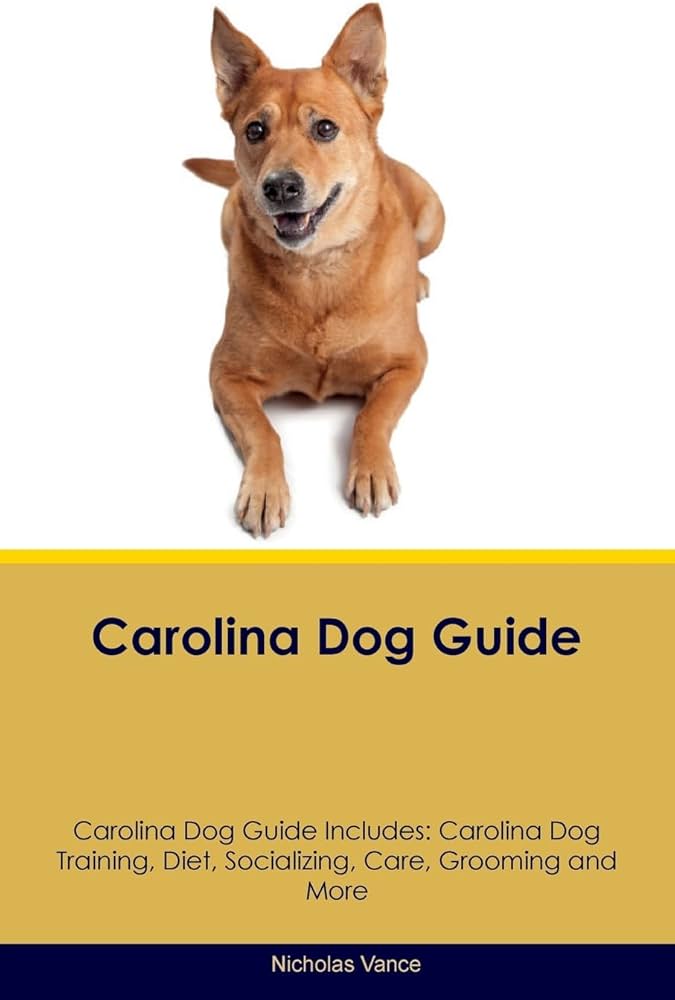
Welcome to the rewarding world of the Carolina Dog, often affectionately called the “American Dingo.” If you’ve brought one of these intelligent, ancient-souled dogs into your life, you’re embarking on a unique journey. The process of Training A Carolina Dog is unlike training most domestic breeds. It requires a deep understanding of their primitive instincts, a wealth of patience, and a communication-based approach that respects their sharp intellect. Forget old-school, dominance-based methods; success with these dogs is built on a foundation of mutual respect and partnership. This guide will walk you through everything you need to know to cultivate a well-behaved companion and a profound bond that will last a lifetime.
Understanding their unique temperament is a critical first step, and it sets the stage for all future learning. For those looking for structured guidance, exploring options for dog training in north carolina can provide valuable, professional insight into handling unique breeds.
Understanding the Carolina Dog’s Primitive Mind
Before you can teach your Carolina Dog to “sit” or “stay,” you must first understand who they are. These are not dogs created by selective breeding in recent centuries; they are a primitive breed, discovered as a free-roaming population in the cypress swamps of the American Southeast. Their DNA links them closely to ancient Asian dogs, and they retain many of the survival instincts of their wild ancestors.
This primitive nature manifests in several key traits:
- High Intelligence: They are incredibly smart and are fantastic problem-solvers. This means they learn quickly, but it also means they get bored easily and can outwit an unsuspecting owner.
- Independence: Unlike breeds designed to please humans, Carolina Dogs often think for themselves. They might obey a command not just because you said so, but because they have assessed the situation and agree it’s a good idea.
- Strong Pack Instincts: They bond deeply and fiercely with their family, or “pack.” This loyalty is unwavering, but it can also lead to aloofness or wariness around strangers.
- High Prey Drive: Their instincts to hunt are sharp. A squirrel or rabbit can be far more interesting than your command to come back, which is a crucial factor in training.
Recognizing these traits is fundamental. You’re not working with a blank slate; you’re partnering with a canine that possesses thousands of years of instinctual wisdom.
The Foundations of Training a Carolina Dog
With a proper understanding of their mindset, you can lay the groundwork for effective training. Success hinges on three core principles: positive reinforcement, consistency, and early, thorough socialization.
Why Positive Reinforcement is Key
Harsh corrections, loud scolding, or physical punishment will not work with a Carolina Dog. Their sensitive and intelligent nature means these methods will only break their trust and create fear, leading to avoidance or anxiety. Positive reinforcement, on the other hand, aligns perfectly with their problem-solving brain.
This method involves rewarding desired behaviors with something the dog values—tasty treats, enthusiastic praise, or a favorite toy. By doing this, you’re not forcing them to obey; you’re teaching them that cooperating with you leads to positive outcomes. It makes training a fun game rather than a chore, strengthening your bond in the process.
Consistency and Patience: Your Two Best Friends
Because of their intelligence, Carolina Dogs will quickly find loopholes in your rules. If one person lets them on the couch and another doesn’t, they will learn that rules are optional. Consistency from every member of the household is non-negotiable. The commands you use, the house rules, and the reward systems must be the same every day.
Patience is equally important. A Carolina Dog might understand “sit” on the first try but then decide to test whether “sit” is still required tomorrow. This isn’t defiance for its own sake; it’s their independent mind at work. Stay patient, stay consistent, and gently insist on the rules you’ve set. Some skills, particularly recall, can take months or even years to become completely reliable. The specialized needs of such breeds often benefit from professional input, which can be found in programs like service dog training in north carolina, where consistency is a cornerstone of the curriculum.
The Power of Early Socialization
Due to their natural wariness of strangers and new situations, socialization is arguably the most critical aspect of raising a well-adjusted Carolina Dog. This process must begin the moment you bring your puppy home and should continue throughout their life.
Proper socialization means exposing them to a wide variety of sights, sounds, people, and other animals in a positive and controlled way.
- Take them for walks in different neighborhoods.
- Let them meet people of all ages and appearances, but never force interactions. Let the dog approach at their own pace.
- Enroll in a puppy class with a qualified, positive-reinforcement-based trainer.
- Introduce them to well-behaved, vaccinated adult dogs.
The goal is to teach them that the world is a safe, predictable place and that new things aren’t necessarily scary. A well-socialized Carolina Dog will be confident and discerning, not fearful and reactive.
Essential Commands and How to Teach Them
Once the foundation is laid, you can begin with basic obedience. Keep training sessions short (5-10 minutes) and fun to hold their attention.
How do you teach basic commands?
Start in a quiet area with minimal distractions. Using a high-value treat, you can easily lure your dog into positions for commands like “Sit” and “Down.”
- Sit: Hold a treat over your dog’s nose and slowly move it backward over their head. As their head goes up, their rear will naturally go down. The moment they sit, say “Yes!” and give them the treat.
- Stay: Once “Sit” is mastered, ask for a sit, say “Stay,” and hold your hand up like a stop sign. Take one small step back. If they stay, step back to them and give them a treat. Gradually increase the distance and duration.
- Come: This command can save your dog’s life. Make it the best word they have ever heard. Use an excited, happy tone of voice. Start by saying “Come!” and rewarding them with an amazing treat when they get to you. Practice inside first, then in a fenced yard on a long leash. Never punish your Carolina Dog for coming to you, no matter how long it took.
Tackling Common Carolina Dog Training Challenges
Training a Carolina Dog will present unique challenges directly linked to their primitive nature. Being prepared for them is half the battle.
Mastering the Recall
A Carolina Dog’s high prey drive is the biggest obstacle to a reliable recall. When they are focused on a squirrel, your voice can easily fade into the background. To counter this, your recall command must be associated with the absolute best rewards. Use special, high-value treats (like chicken or cheese) that are only used for recall practice. A consistent approach is key, similar to the structured methods used at facilities such as ridgeside k9 eastern carolina dog training, which focus on high-stakes obedience.
Leash Manners and Preventing Pulling
These energetic dogs often want to explore everything at once, which can lead to pulling on the leash. Start teaching loose-leash walking early. If your dog pulls, simply stop walking. The moment the leash goes slack, start walking again. This teaches them that pulling gets them nowhere, while a loose leash allows the walk to continue. A front-clip harness can also be a great tool to manage pulling without putting pressure on their neck.
According to canine behaviorist Dr. Elias Vance, “Training a Carolina Dog is less about commanding and more about communicating. You have to respect their ancient intelligence and work with them. When you earn their trust, you don’t just get an obedient dog; you get a true partner.”
Managing Shyness and Stranger Danger
Never force your Carolina Dog to interact with strangers. Forcing them can increase their fear and lead to defensive aggression. Instead, be their advocate. Ask strangers to ignore your dog at first. Let your dog decide if and when they want to approach. Have visitors toss high-value treats on the floor near your dog without making eye contact. This allows the dog to associate strangers with good things on their own terms, building confidence instead of fear.
Beyond the Basics: Advanced Training and Enrichment
A bored Carolina Dog is a destructive Carolina Dog. Their sharp minds need a job to do. Once they have mastered the basics, challenge them with advanced training and enrichment activities.
- Puzzle Toys: Food puzzles and snuffle mats engage their problem-solving skills and make mealtime more interesting.
- Scent Work: Teach them to find hidden treats or specific scents around the house. This taps directly into their natural hunting instincts in a positive way.
- Agility or Lure Coursing: These dog sports are fantastic outlets for their energy and athleticism.
Advanced activities not only prevent boredom but also continue to build your communication and strengthen your bond. Many dog owners find that engaging in these activities with local experts can be very beneficial. For those in the Raleigh area, exploring options for dog training in raleigh could open up new avenues for canine enrichment and sport.
Frequently Asked Questions about Training a Carolina Dog
Is a Carolina Dog hard to train?
They are not hard to train in terms of intelligence—they learn very quickly. The difficulty comes from their independence and sensitivity. They require a trainer who is patient, consistent, and uses positive reinforcement rather than force.
How do you discipline a Carolina Dog?
Discipline should focus on redirection and management, not punishment. If they are chewing something inappropriate, redirect them to an appropriate chew toy. Manage their environment to prevent unwanted behaviors, such as keeping tempting items out of reach.
Do Carolina Dogs bark a lot?
They are not known for being excessive barkers. They typically bark for a reason, such as alerting you to a stranger or a strange noise. Understanding the cause of the barking is the first step to managing it.
Are they good with children and other pets?
When raised with them from a young age and properly socialized, Carolina Dogs can be wonderful with children and other pets in their “pack.” However, their high prey drive may make them unsuitable for homes with small pets like cats or rabbits unless they are introduced carefully as a puppy.
How much exercise does a Carolina Dog need?
They are a medium-to-high energy breed and need at least an hour of exercise per day. This should include more than just a leash walk; opportunities to run in a securely fenced area are essential for their physical and mental well-being.
Conclusion: The Journey of Partnership
Training a Carolina Dog is a journey that goes far beyond simple commands. It’s an exercise in interspecies communication, a lesson in patience, and a testament to the power of a respectful partnership. By understanding their primitive mind, embracing positive reinforcement, and remaining unshakeably consistent, you will unlock the incredible potential of this ancient breed. The result is more than just a well-behaved pet; it’s a loyal, intelligent, and deeply devoted companion for life. The effort you invest in training a Carolina Dog will be returned to you tenfold in the form of an unbreakable bond built on trust and mutual understanding.
