
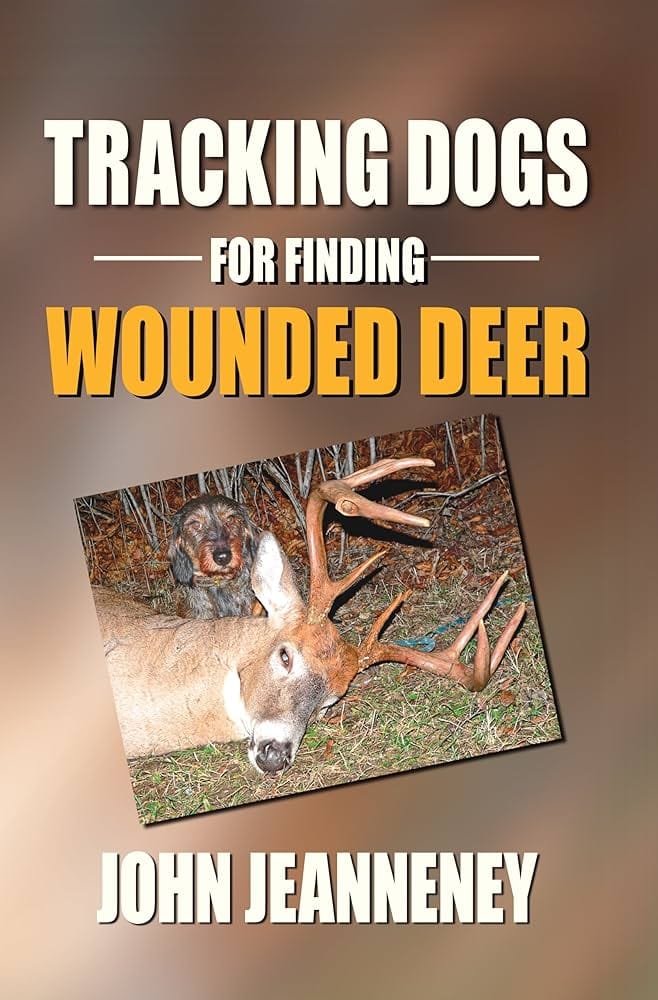
Embarking on the journey of Training A Blood Tracking Dog is a rewarding endeavor, blending the natural instincts of canines with refined techniques to create a skilled scenting partner. Whether for hunting, search and rescue, or simply a unique canine sport, understanding the nuances of scent work is paramount. This guide delves into the essential aspects of training a blood tracking dog, ensuring your canine companion becomes a reliable and efficient tracker.
The Science of Scent: How Dogs Track Blood
At the heart of blood tracking lies a dog’s incredible olfactory system. Dogs possess an astonishing number of scent receptors, vastly outnumbering those of humans, allowing them to detect minute concentrations of scent. Blood, in particular, emits a distinct odor that dogs are highly attuned to. This scent is composed of various volatile organic compounds released as blood breaks down. A well-trained blood tracking dog can follow a scent trail that is hours old, even across challenging terrains and in varying weather conditions.
Selecting the Right Breed for Blood Tracking
While many breeds can be trained for blood tracking, some possess inherent traits that make them particularly well-suited for the task. These often include strong drives, intelligence, perseverance, and a natural inclination to follow scents.
Top Breeds for Blood Tracking:
- Bloodhound: As their name suggests, Bloodhounds are arguably the most renowned scent hounds. They possess an unparalleled olfactory capacity and a legendary tenacity for tracking.
- Basset Hound: Known for their perseverance and powerful noses, Basset Hounds are excellent trackers, although they may work at a slower pace.
- German Shorthaired Pointer: While often used for pointing game, their scenting abilities are also highly developed, making them capable blood trackers.
- Coonhounds (Black and Tan, Redbone, etc.): Bred for tracking game through scent, these hounds exhibit strong tracking instincts and stamina.
- Dachshund: Despite their small stature, Dachshunds have a strong prey drive and a keen sense of smell, making them surprisingly effective trackers.
It’s important to remember that individual temperament and drive can be more critical than breed alone. A dog with a high desire to work and a good nose will often outperform a breed-specific predisposition if the latter lacks motivation.
The Foundation: Early Training and Socialization
Before diving into specific blood tracking techniques, a solid foundation of basic obedience and socialization is crucial. A dog that is responsive to commands and comfortable in various environments will be a more adaptable and trainable tracker.
Essential Commands:
- “Sit,” “Stay,” “Come”: These commands ensure control over the dog during training and in the field.
- “Leave It”: Vital for preventing the dog from becoming distracted by other scents or potential prey.
- “Track” or “Scent”: The command that initiates the blood tracking exercise.
Socialization helps the dog become accustomed to different sights, sounds, and smells, preventing them from being spooked or overly distracted when on a track. Expose your puppy to a variety of environments, people, and other well-behaved dogs from a young age.
Step-by-Step: Training a Blood Tracking Dog
Training a blood tracking dog is a gradual process that builds upon itself. It requires patience, consistency, and a deep understanding of canine behavior.
Phase 1: Introducing the Scent
- Scent Article Introduction: Start with a scent article, such as a piece of leather or cloth, that the dog is familiar with. Introduce the article when the dog is excited and ready to play.
- Hide the Article: Have the dog stay while you hide the scented article a short distance away, perhaps behind a tree or bush.
- The “Find It” Game: Release the dog with the command “Find it!” or “Scent!” Reward them enthusiastically when they locate the article.
- Increase Distance and Complexity: Gradually increase the distance and complexity of the hiding spots as the dog becomes proficient.
Phase 2: Introducing Blood Scent
- Scent Source: Begin with a small amount of artificial blood or a natural blood source (if ethically and legally permissible). Apply it to a scent article.
- Short, Straight Tracks: Lay a short, straight track (10-20 yards) with the blood-scented article at the end.
- Guided Tracking: Initially, you may need to guide your dog along the track, offering encouragement.
- Reward Success: When the dog finds the article, offer high praise and a favorite treat or toy. This positive reinforcement is key to associating the blood scent with a rewarding outcome.
Phase 3: Developing the Track
- Increasing Track Length and Age: Gradually lengthen the tracks to 50, 100, and then several hundred yards. Allow the scent to “age” – start with a track laid 30 minutes ago, then increase to an hour, several hours, and eventually overnight.
- Introducing Turns: Incorporate turns into the track. Start with a single, gentle turn, and gradually add more and sharper turns.
- Varied Terrain: Practice on different surfaces such as grass, dirt, leaves, and even shallow water. This helps the dog generalize the scent and adapt to various conditions.
- “Articles” along the Track: As the dog progresses, place additional articles (scent items) along the track at intervals. The dog’s primary objective is to reach the final end-of-track article, but finding intermediate articles reinforces their focus and scent discrimination.
Phase 4: Advanced Tracking and Problem Solving
- Cross-Tracks: Introduce tracks that cross other strong scents, including human trails or animal paths. This tests the dog’s ability to ignore distractions and stay focused on the target blood trail.
- “Working” the End of Track: Train the dog to indicate the end of the track by sitting, downing, or barking, rather than immediately picking up the final article. This is particularly important in hunting scenarios where the handler needs to locate the downed game.
- Blind Tracks: Once the dog is proficient, have a helper lay tracks that you know nothing about. This simulates real-world tracking situations and assesses the dog’s independent working ability.
Essential Training Gear for Blood Tracking
Having the right equipment can significantly aid in the training process and ensure safety for both you and your dog.
- Harness: A comfortable, well-fitting tracking harness that attaches to the leash at the dog’s back. This allows for better communication and less strain on the dog’s neck.
- Leash: A long tracking leash (20-30 feet) made of durable material like biothane or nylon. This gives the dog freedom to work while maintaining a connection to you.
- Scent Articles: Various items to hold the blood scent. Leather, fabric, or even a small piece of the actual game can be used.
- Training Aids: If using artificial blood, ensure it’s formulated for scent work.
- High-Value Rewards: Small, potent treats or a favorite toy that the dog finds highly motivating.
- Appropriate Clothing: Wear durable clothing and footwear suitable for outdoor conditions.
Common Challenges and How to Overcome Them
Even with the best intentions, training a blood tracking dog can present challenges. Recognizing these and having strategies to address them is key to success.
- Distraction: If your dog gets easily distracted by other scents or sights, shorten the tracks, ensure the area is less stimulating, and increase the reward value for staying on the track. Reinforce the “Leave It” command rigorously.
- Loss of Scent: If the dog loses the trail, don’t panic. Encourage them to cast (search in wider arcs) around the area where they lost it. You might need to backtrack slightly to help them regain the scent.
- Lack of Drive: Some dogs may not have a naturally high tracking drive. In such cases, focus on making the training incredibly fun and rewarding, using the dog’s favorite toys or praise as the ultimate prize. If a dog consistently shows low drive, they may not be suited for advanced scent work.
- Frustration: If the dog becomes frustrated, it’s a sign that the task is too difficult. Break the exercise down into simpler steps, ensure success, and gradually build complexity again. Always end training sessions on a positive note.
The Role of Experience and Expertise in Training
The effectiveness of your training is deeply intertwined with your own experience and expertise. Understanding canine body language, scent theory, and adapting your methods to your dog’s individual learning style are crucial. Consider seeking guidance from experienced blood tracking trainers or joining a local tracking club. Their insights and practical advice can be invaluable. For those interested in more advanced applications, exploring resources on how to train dog to find sheds or even hunting dog training schools can provide a broader understanding of scent work disciplines.
Conclusion: Building a Partnership Through Tracking
Training a blood tracking dog is more than just teaching commands; it’s about building a profound partnership based on trust, communication, and a shared goal. It requires dedication, patience, and a willingness to learn alongside your canine companion. By understanding the principles of scent work, employing consistent training methods, and celebrating every success, you can unlock your dog’s innate tracking potential and forge an unbreakable bond. Remember that consistent practice, even with short sessions, is more beneficial than infrequent, lengthy ones.
For those looking to delve deeper into specialized scent work, understanding techniques like blood tracking dog training and the necessary hunting dog training gear can further enhance your capabilities. Whether your goal is to locate game more effectively, assist in search operations, or simply engage in a stimulating activity with your dog, the journey of a blood tracking dog is a testament to the incredible abilities of these animals and the dedication of their human partners.
