
Embarking on the journey of Training A Bird Dog is a rewarding experience, forging a deep bond between you and your canine companion. Whether you’re aiming for the field, a competitive trial, or simply a well-behaved hunting partner, understanding the core principles of training a bird dog is paramount. This guide will walk you through the essential steps, from foundational obedience to specialized field work, ensuring your bird dog develops into a reliable and skilled asset.
Understanding the Bird Dog’s Instinct
Bird dogs, a category encompassing breeds like pointers, setters, retrievers, and spaniels, possess an innate drive to locate and indicate game birds. This instinct is crucial, but it needs to be honed and directed through proper training. Early socialization and exposure to the outdoors are vital for developing a confident and well-adjusted dog. Understanding breed-specific traits will also inform your training approach; for instance, a pointer’s desire to stand staunchly differs from a retriever’s eagerness to fetch.
The Importance of Early Socialization
From a young age, exposing your puppy to a variety of sights, sounds, people, and other animals is fundamental. This helps prevent fear-based behaviors and builds a foundation of confidence. Socialization isn’t just about meeting other dogs; it’s about a holistic introduction to the world they will eventually hunt in. A well-socialized puppy is more likely to be an adaptable and responsive bird dog.
Breed-Specific Tendencies
Different bird dog breeds have unique characteristics that influence training. Retrievers, for example, are often eager to please and excel at fetching, making them ideal for bringing game back. Pointers and setters have a natural inclination to “point” or “set” when they locate birds, a behavior that needs refinement. Spaniels, on the other hand, are typically flushing dogs, working closer to the handler to drive birds into the air. Recognizing these natural inclinations allows for a more tailored training a bird dog program.
 A young bird dog puppy wagging its tail while curiously sniffing a flower in a lush green field, embodying early socialization and exploration.
Foundational Obedience: The Bedrock of Training
Before delving into field work, a solid understanding of basic obedience commands is essential. Commands like “sit,” “stay,” “come,” and “heel” provide control and safety, both in the home and in the field. Consistency is key during this phase. Using positive reinforcement methods, such as treats, praise, and play, will build a strong, trusting relationship with your dog.
Essential Commands for Bird Dogs
- “Come” (Recall): Arguably the most critical command. A reliable recall ensures your dog returns to you when called, vital for safety and control.
- “Sit” and “Stay”: These commands are crucial for managing your dog’s energy and preventing them from breaking point or chasing birds prematurely.
- “Heel”: This teaches your dog to walk by your side without pulling, maintaining order and focus.
- “Leave It”: Essential for preventing your dog from ingesting non-food items or disturbing game unnecessarily.
Consistent practice in various environments will solidify these commands, making them reliable under the distractions of the field. This groundwork is fundamental for successful training a bird dog.
Introducing the Bird Dog to Birds
The next crucial step is introducing your bird dog to the scent and sight of game birds. This should be done gradually and positively to build excitement without overwhelming the dog. Using pre-released birds or quail cages is a common method to allow the dog to experience the scent and observe the bird from a safe distance.
Scent Introduction
Allowing your dog to catch the scent of birds is the first taste of their natural purpose. This can be done by dragging a wing from a harvested bird or using commercially available scent articles. The goal is to pique their interest and associate the scent with a positive experience.
Controlled Exposure
When introducing live birds, it’s essential to maintain control. Quail launchers or other devices can be used to present birds at a distance, allowing the dog to practice their natural pointing or flushing instinct without being able to catch the bird. This controlled exposure is a cornerstone of training a bird dog effectively.
Developing the Point and Flush
For pointing breeds, the objective is to develop a staunch and stylish point. This involves teaching the dog to freeze and indicate the location of the bird. For flushing breeds, the aim is to encourage them to work the cover and drive birds into the air.
Training the Point
- Encourage Natural Instinct: When your dog shows interest in birds, reward them.
- “Whoa” Command: Introduce the “whoa” command to signal the dog to stop and hold its point.
- Stability: Practice with planted birds to ensure the dog remains steady and doesn’t chase. This is a critical aspect of training a bird dog for the field.
Training the Flush
- Work the Cover: Encourage your dog to work through fields and brush, using their nose to find birds.
- “Hup” or “Get In”: Commands like these can encourage the dog to move into cover.
- Steady to Wing and Shot: For retrievers and spaniels, teaching them to remain steady while birds are flushed and shot is vital.
Retrieving: The Ultimate Goal for Many Bird Dogs
A well-trained bird dog should be able to retrieve downed game cleanly and gently. This involves teaching the dog to fetch on command, carry the bird without damaging it, and return it to the handler. This skill is often developed through dummy retrieving before progressing to actual birds. how to train a bird dog puppy can provide more specific guidance for younger dogs.
Dummy and Bird Work
Start with retrieving dummies, gradually increasing the distance and introducing distractions. Once the dog is proficient with dummies, transition to dead birds, ensuring they understand the value of retrieving game.
Force Fetching
For some, force fetching is a method used to ensure a dog will pick up and hold game. This involves a systematic process to encourage the dog to take the retrieve object. It’s important to approach this technique with patience and positive reinforcement to avoid creating aversion. Proper bird dog training gear can aid in this process.
Advanced Field Training and Considerations
As your bird dog progresses, you can introduce more advanced training concepts, such as honoring another dog’s point or working in challenging cover. Remember that every dog learns at its own pace, and patience is a virtue.
Honoring Another Dog’s Point
This teaches your dog to respect another pointing dog’s find and remain steady while the other dog points. It’s a mark of a true team player in the field.
Working in Difficult Cover
Training in various environments, including dense woods, tall grass, and water, prepares your dog for real-world hunting scenarios. This is where consistent training upland bird dogs pays off.
The Role of Consistency and Patience
Throughout the entire process of training a bird dog, consistency and patience are your most valuable tools. Regular, short training sessions are more effective than infrequent, long ones. Celebrate successes, and learn from setbacks without becoming discouraged.
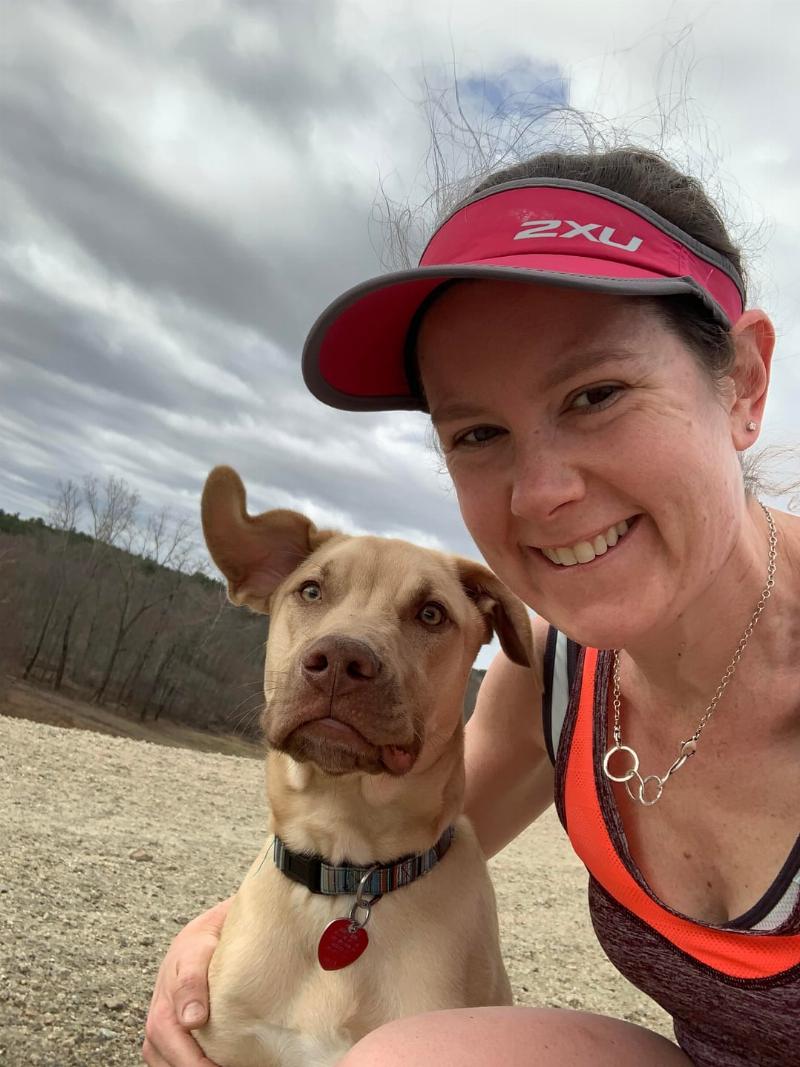 A patient trainer kneeling on a grassy field, gently rewarding a focused bird dog with a treat after a successful command, illustrating the importance of consistency.
Troubleshooting Common Training Challenges
Even with the best intentions, challenges may arise. Common issues include a dog breaking point, not retrieving, or being gun-shy. Addressing these requires careful observation and a tailored approach.
Addressing Gun Shyness
If your dog exhibits fear of gunshots, introduce the sound gradually. Start with a blank cartridge fired at a significant distance while the dog is distracted with a game or feeding. Slowly decrease the distance and increase the noise over many sessions. Positive experiences during this process are crucial.
When Your Dog Won’t Retrieve
If your dog is reluctant to retrieve, revisit the basics of dummy work. Ensure the retrieving is associated with high-value rewards. Sometimes, a change in the type of retrieve dummy or a different approach to presenting the object can help. training upland bird dogs often covers these nuances.
Conclusion: The Enduring Partnership
Training a bird dog is a journey that deepens the human-animal bond and unlocks a dog’s incredible potential. By understanding their instincts, building a strong foundation of obedience, and patiently guiding them through field work, you create a partnership built on trust, skill, and shared passion. The joy of watching your trained bird dog work in harmony with you is an unparalleled reward, a testament to the dedication invested in the entire process. Remember, every successful training session, no matter how small, is a step towards that ultimate goal.
