
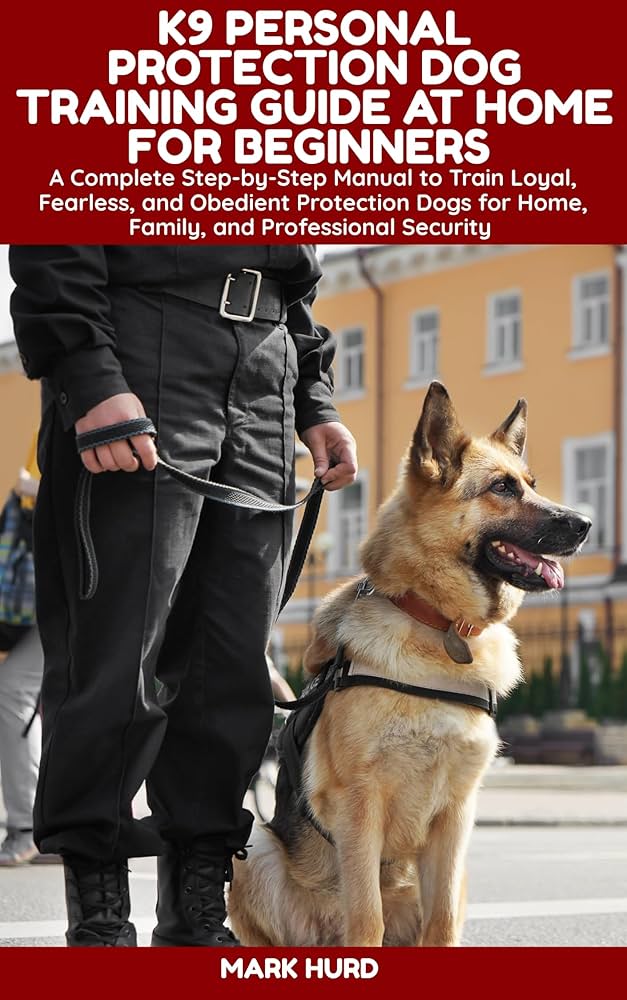
The decision to bring a trained personal protection dog into your life is a significant one, promising enhanced security and unwavering companionship. These aren’t just pets; they are highly trained partners dedicated to safeguarding their families. Understanding what goes into training, the breeds suited for this role, and how to integrate such a dog into your home is crucial for a successful and harmonious relationship. This comprehensive guide will delve into the world of Trained Personal Protection Dogs, offering insights for those considering this unique commitment.
The Essence of a Personal Protection Dog
A personal protection dog is far more than a guard dog. While a guard dog might deter intruders or alert to their presence, a personal protection dog is trained to react to specific threats and protect its handler or family members. This involves sophisticated training that goes beyond basic obedience, focusing on controlled aggression, threat assessment, and unwavering loyalty. The goal is to create a dog that is a trustworthy family member but also a formidable protector when necessary. The training emphasizes a clear distinction between everyday life and a real threat, ensuring the dog remains a well-behaved companion until its protective instincts are ethically and effectively called upon.
Choosing the Right Breed for Protection
Certain breeds possess the inherent traits – intelligence, courage, loyalty, and a strong protective instinct – that make them ideal candidates for personal protection training. While many breeds can be trained, some consistently stand out.
German Shepherd
Renowned for their intelligence, versatility, and trainability, German Shepherds have a long history of working alongside humans in demanding roles, including police and military service. Their natural alertness and strong bond with their handlers make them exceptional protection dogs.
Belgian Malinois
Often mistaken for German Shepherds, Belgian Malinois are highly energetic, intelligent, and driven dogs. They excel in high-intensity protection work and require experienced handlers due to their demanding nature. Their focus and agility are unparalleled.
Doberman Pinscher
Dobermans are known for their sleek appearance, intelligence, and fearless loyalty. They are naturally protective of their families and possess a keen sense of awareness, making them effective and imposing protectors.
Rottweiler
With their powerful build and confident demeanor, Rottweilers are natural guardians. They are loyal, loving to their families, and possess a strong protective instinct that, when properly channeled through professional training, makes them formidable protection dogs.
Giant Schnauzer
These robust dogs are intelligent, energetic, and possess a strong protective drive. Their imposing presence and dedication to their families make them excellent, albeit less common, choices for personal protection.
It’s important to remember that while breed characteristics are important, individual temperament and the quality of training are paramount. A dog from a reputable breeder with a stable temperament, undergoing professional personal protection dog training, is key.
The Rigorous Training Process
Training a personal protection dog is a specialized and intensive process, typically spanning many months or even years. It requires experienced, professional trainers who understand canine behavior, obedience, and the nuances of protection work.
Foundation Obedience
This is the bedrock of all training. Dogs must master basic commands like “sit,” “stay,” “come,” and “down” with absolute reliability, even in distracting environments. Advanced obedience also includes precise control and responsiveness.
Socialization
Extensive socialization is critical. Protection dogs must be comfortable and well-behaved in various settings, around different people, and with other animals. This ensures they can distinguish between a normal situation and a genuine threat, preventing indiscriminate aggression.
Bite Work and Apprehension
This is the core of protection training. Trainers use specialized equipment (like sleeves and suits) to simulate an aggressor. The dog learns to bark, hold, and release on command. This training is highly controlled, focusing on ethical and effective apprehension, not gratuitous aggression. The dog learns to target specific areas and to stop biting when commanded.
Alert and Detection
Some protection dogs are trained to alert their handler to the presence of threats through specific barks or behaviors. Others may be trained for specific detection tasks, though this is more common in service or detection roles.
Handler Protection
Training also involves teaching the dog to protect the handler from simulated attacks, including attacks from behind or when the handler is on the ground. This ensures the dog acts decisively to defend its owner.
Real-World Scenarios
Trainers often simulate real-world scenarios to prepare the dog for various potential threats, ensuring the dog’s responses are appropriate and controlled under pressure.
For those seeking a fully trained canine, seeking out renowned sellers of family protection dogs comprehensive training services is advisable. They often offer dogs that have already undergone extensive testing and training.
Integrating a Protection Dog into Your Family
Bringing a trained protection dog home is different from adopting a typical pet. It requires commitment, consistency, and understanding from the entire family.
Establishing Leadership
The dog needs to recognize one or more family members as the pack leader. This involves consistent rules, boundaries, and clear communication. The dog’s training should reinforce this hierarchy.
Continued Training and Reinforcement
While the dog comes with professional training, continued reinforcement is essential. Occasional refreshers with a professional trainer can help maintain the dog’s skills and obedience.
Understanding the Dog’s Role
Family members must understand that the dog’s primary role is protection. This means respecting its space when it’s “on duty” and understanding its cues. It’s vital that children are taught how to interact appropriately with the dog, respecting its boundaries.
Safe Integration
Introduce the dog gradually to new environments and people. Always supervise interactions, especially in the initial stages, to ensure everyone’s safety and comfort.
Health and Well-being
Like all dogs, protection dogs require regular veterinary care, a balanced diet, and plenty of exercise. Their demanding training and protective role mean they need high-quality nutrition to maintain their energy levels and physical condition. Regular health check-ups are essential to catch any potential issues early. The mental well-being of these dogs is just as important; they need mental stimulation through training, play, and interaction to prevent boredom and stress.
Are Trained Personal Protection Dogs for Everyone?
Trained personal protection dogs are not for the faint of heart or the inexperienced. They require a significant investment of time, energy, and financial resources. An owner must be prepared for:
- Commitment: Years of dedication to training, socialization, and care.
- Responsibility: Understanding the legal implications and responsibilities of owning a protection-trained dog.
- Lifestyle Adjustment: Adapting your lifestyle to accommodate the dog’s needs and training schedule.
- Experience: Ideally, owners should have prior experience with large, intelligent, and strong-willed breeds.
If you are considering purchasing a dog that has already undergone extensive preparation, looking for trained dogs for sale nc or similar reputable sources is a good starting point. These dogs often come with extensive training and health records.
Conclusion: A Bond of Trust and Protection
A trained personal protection dog offers a unique blend of companionship and security. They are a testament to the incredible bond between humans and canines, forged through rigorous training, mutual respect, and unwavering trust. While the commitment is substantial, the reward of having a loyal, capable protector by your side is immeasurable. Whether you choose to train a dog yourself or seek out trained personal protection dogs for sale, embarking on this journey requires careful consideration, thorough research, and a deep appreciation for the capabilities and needs of these exceptional canine partners.
