
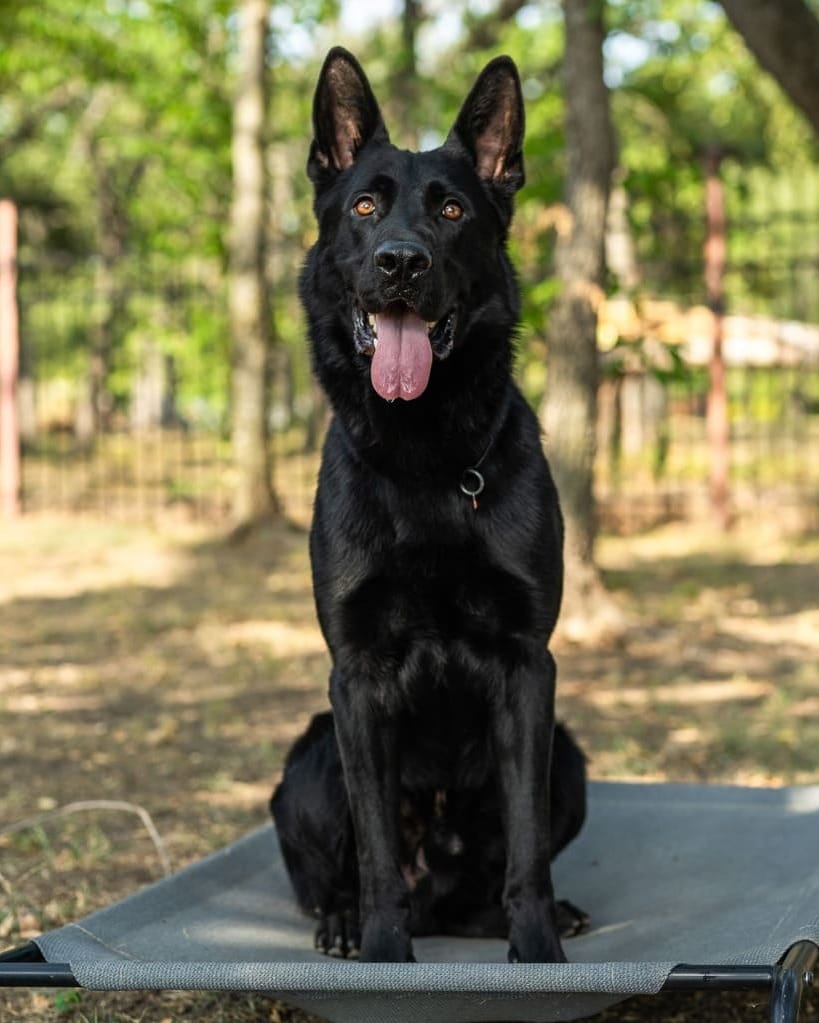
Bringing a trained guard dog into your life is a significant decision, offering unparalleled security and companionship. These highly specialized canine partners are more than just pets; they are protectors, alert to potential threats and loyal to their families. If you’re considering enhancing your home’s safety, a Trained Guard Dog For Sale might be the ideal solution. This guide will walk you through everything you need to know about finding, choosing, and integrating such a dog into your household.
Understanding the Role of a Trained Guard Dog
A trained guard dog is specifically conditioned to detect and alert to unusual or threatening situations. Unlike a pet dog that may bark at a stranger, a guard dog undergoes rigorous training to understand specific commands, recognize threats, and act accordingly. This training can range from simple alert barking to more advanced protective behaviors. The goal is to provide a deterrent and an early warning system, ensuring the safety of your property and loved ones. This level of training requires experienced handlers and dedicated programs, often focusing on breeds known for their intelligence, courage, and loyalty.
Key Considerations When Looking for a Trained Guard Dog for Sale
When searching for a trained guard dog for sale, several critical factors must be considered to ensure a successful match for your lifestyle and security needs.
Breed Suitability
Certain breeds are naturally more inclined towards protection work due to their temperament, physical capabilities, and historical roles. Some popular choices include:
- German Shepherds: Renowned for their intelligence, versatility, and loyalty, German Shepherds excel in various roles, including protection. They are highly trainable and form strong bonds with their families.
- Belgian Malinois: Similar to German Shepherds but often more energetic and intense, Malinois are favored for their drive and trainability. They require experienced handlers due to their high energy levels and need for consistent work.
- Doberman Pinschers: Known for their sleek appearance and courageous nature, Dobermans are naturally protective and very attentive to their owners. They are intelligent and can be excellent family guardians when properly trained and socialized.
- Cane Corso: These powerful dogs are ancient Italian mastiffs, bred for guarding property and livestock. They are strong, imposing, and deeply devoted to their families, making them formidable protectors.
While these breeds are commonly chosen, it’s essential to remember that individual temperament and training are paramount, regardless of breed. A well-trained dog from a less common breed can be just as effective as a dog from a traditional protection breed.
Training Level and Specialization
Trained guard dogs can have varying levels of training. Some might be trained for personal protection, focusing on defending their owner, while others are trained for property or estate guarding, focusing on perimeter security. When looking at a trained guard dog for sale, inquire about the specifics of their training:
- What commands does the dog respond to?
- What specific behaviors has the dog been trained to exhibit in various scenarios?
- What is the dog’s temperament around strangers, children, and other animals?
- What is the duration and intensity of the training program?
Reputable trainers will provide detailed information about the dog’s capabilities and limitations. For instance, if you are looking for a dog to protect your family, you might seek a dog with training in trained family protection dogs for sale programs, which emphasize controlled responses and the ability to differentiate between threats and non-threats.
Temperament and Socialization
A crucial aspect of any guard dog is its temperament. A well-trained guard dog should be confident, not aggressive. It needs to be stable, reliable, and capable of discerning real threats from benign situations. Proper socialization from a young age is vital. This involves exposing the dog to various people, environments, and other animals in a controlled manner. A poorly socialized guard dog can become overly fearful or dangerously aggressive. When considering a trained guard dog for sale, ask about its history of socialization and observe its behavior in different settings.
The Importance of Professional Training
Investing in a professionally trained guard dog is often more effective than attempting to train one yourself, especially for protection work. Professional trainers have the expertise, resources, and controlled environments necessary to develop a reliable protection animal. They understand canine behavior, utilize proven training methodologies, and can tailor training to specific needs.
Finding Reputable Trainers and Kennels
When looking for a trained guard dog for sale, it’s essential to find reputable sources.
- Ask for recommendations: Consult with professional dog trainers, veterinarians, or other dog owners who have experience with protection dogs.
- Research kennels and training facilities: Look for facilities with a proven track record, experienced trainers, and transparent training methods.
- Visit the facility: If possible, visit the training facility to observe the dogs and the training environment.
- Check references and reviews: Look for testimonials or reviews from previous clients.
For example, if you are interested in a specialized breed like the Cane Corso, seeking out kennels specifically offering cane corso trained dogs for sale from reputable breeders who also emphasize protection training can be a wise approach. Similarly, programs focusing on specific breeds like german shepherd trained protection dogs for sale often have highly skilled dogs ready for demanding roles.
Integrating a Trained Guard Dog into Your Home
Bringing a trained guard dog home requires preparation and commitment. The dog is already trained, but it needs to adapt to its new environment and family members.
Establishing Leadership and Routine
Even though the dog is trained, it still needs a clear leader. Establish a consistent routine for feeding, walking, and training. Use clear and consistent commands. Your role is to maintain the structure and boundaries that the dog is accustomed to.
Introducing Family Members and Other Pets
Introduce the dog gradually and carefully to all family members, especially children. Ensure children understand how to interact respectfully with the dog. If you have other pets, supervised introductions are crucial to ensure harmony. The dog’s training should include commands for polite interaction, but supervision is always recommended. For those considering specific breeds, looking into doberman pinscher trained dogs for sale might mean finding a dog already socialized in a family environment, which can ease integration.
Continued Training and Reinforcement
While you are acquiring a trained dog, continued training and reinforcement are essential. This helps maintain the dog’s skills, strengthens your bond, and ensures the dog remains a well-behaved member of your household. Regular practice of commands and obedience exercises is recommended. Consider enrolling in advanced obedience classes or working with a professional trainer for specialized skill maintenance.
What to Expect from a Trained Personal Protection Dog
A trained personal protection dog is a significant asset for security-conscious individuals and families. These dogs are trained to be a proactive deterrent and a responsive protector.
- Deterrence: The mere presence of a well-trained, imposing dog can deter potential intruders.
- Alerting: The dog will alert you to any unusual activity or perceived threats.
- Protection: In a genuine threat situation, the dog is trained to defend its owner or property as per its conditioning. This response is controlled and directed by command or by the dog’s assessment of an immediate danger.
When seeking trained personal protection dogs for sale, it’s vital to understand the trainer’s philosophy and the specific scenarios the dog has been conditioned to handle. The training should emphasize control and ethical application of protection skills.
The Lifelong Commitment
Owning a trained guard dog is a rewarding experience, but it’s also a lifelong commitment. These dogs require regular exercise, proper nutrition, veterinary care, and ongoing mental stimulation. Their training needs to be maintained, and their well-being should always be a priority. By understanding their needs and providing consistent care and leadership, you can ensure a harmonious and secure life with your loyal canine protector.
