
Are you dreaming of a well-behaved canine companion but don’t have the time or expertise for intensive training? The search for “Trained Dogs Near Me” is the first step towards a rewarding and harmonious relationship with a new furry family member. Bringing a pre-trained dog into your home can bypass many of the challenges of puppyhood, offering an immediate, well-mannered friend. This comprehensive guide will walk you through the types of trained dogs available, how to find them, and the essential questions to ask to ensure you find the perfect match for your lifestyle. Understanding the landscape of professionally trained canines is crucial, from basic obedience to specialized skills.
What Does “Trained Dog” Actually Mean?
When you see a listing for a trained dog, the term can encompass a wide spectrum of skills and behaviors. It’s not a one-size-fits-all label. Understanding the different levels of training is key to managing your expectations and finding the right dog.
Foundational Obedience Training
This is the most common level of training. A dog with foundational obedience reliably responds to basic commands that are essential for a safe and pleasant life together. These commands typically include:
- Sit: A fundamental command for control in various situations.
- Stay: The ability to remain in place until released, which is vital for safety.
- Come: A reliable recall, perhaps the most important safety command a dog can know.
- Down: Placing the dog in a submissive and calm position.
- Heel: Walking politely on a leash without pulling or lunging.
A dog with this level of training is also typically house-trained and crate-trained, making the transition into a new home much smoother. They have good manners and are socialized to behave appropriately around new people and other animals.
Advanced Training and Specializations
Beyond the basics, some dogs are trained for specific roles or tasks. This advanced training requires significantly more time, expertise, and investment. If you are looking for a dog with more than just good manners, you might be interested in one of these specializations. The world of specialized training is vast, with some methods focusing on very specific outcomes, such as those used in protective training for dogs, which builds on a foundation of impeccable obedience.
Types of Trained Dogs Available Near You
Your local search for a trained dog can lead you to various specialists and organizations. The type of dog you need depends entirely on your personal circumstances, from wanting a family pet with excellent manners to needing a dog for a specific, vital role.
Family and Companion Dogs
These are dogs that have undergone extensive obedience and socialization training to become ideal household pets. They are perfect for individuals or families who want to skip the demanding puppy phase of housebreaking and basic command training. They integrate seamlessly into family life, behaving well around children and guests.
Therapy Dogs
Therapy dogs are trained to provide comfort and affection to people in settings like hospitals, nursing homes, and schools. They have calm temperaments and are trained to be gentle and patient. If you’re looking for a companion with a soothing presence, a retired therapy dog could be a wonderful choice. You can often start this journey by looking into therapy dog training classes near me to understand the process and connect with local organizations.
Service Dogs
Service dogs are individually trained to perform specific tasks for people with disabilities. These include guide dogs for the visually impaired, hearing dogs for the deaf, and mobility assistance dogs. Due to their intensive, specialized training, they are not available as pets and are matched with individuals through dedicated organizations.
Protection Dogs
For those seeking an added layer of security, trained protection dogs are an option. These dogs are trained to defend their owners and property on command. They possess a unique combination of obedience, control, and courage. Finding reputable providers is paramount, so a specific search for trained protection dogs for sale near me will yield specialized trainers who focus on this discipline. This is a serious commitment that requires an owner who can confidently handle a powerful and intelligent animal.
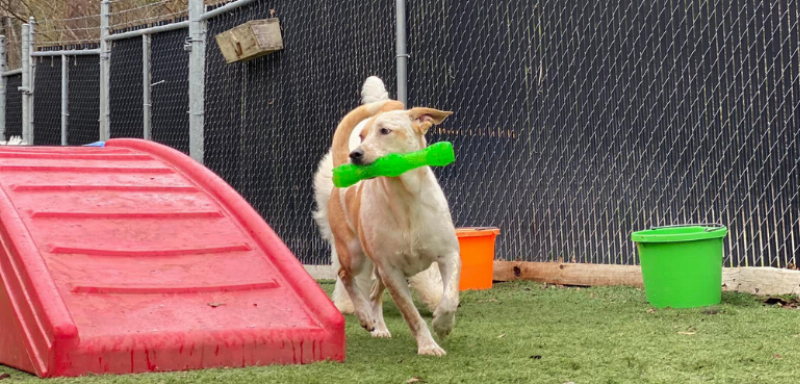 An expert trainer working on advanced obedience with a calm adult Labrador in an outdoor setting, representing the process of finding trained dogs near me.
How to Find Reputable Trained Dogs Near Me
Once you know what type of trained dog you’re looking for, the next step is to find a trustworthy source. This is arguably the most critical part of the process. A dog’s training is only as good as the trainer who provided it.
Professional Dog Trainers and Breeders
Many professional dog trainers and reputable breeders also offer trained dogs for sale. These “started” dogs often have a solid foundation in obedience and socialization.
- Check Credentials: Look for trainers with certifications from reputable organizations like the Certification Council for Professional Dog Trainers (CCPDT) or the International Association of Animal Behavior Consultants (IAABC).
- Ask for References: A good trainer will be happy to provide references from previous clients. Speak to them about their experience.
- Visit the Facility: If possible, visit the training facility. It should be clean, safe, and well-managed. Observe how the trainers interact with the dogs. Do they use positive reinforcement methods?
Dr. Eleanor Vance, a certified animal behaviorist with over 20 years of experience, advises, “The most important factor is transparency. A reputable trainer will provide a complete history of the dog, including its temperament, health records, and the specific training methods used. Never hesitate to ask detailed questions about the dog’s daily routine and socialization experiences.”
Rescue Organizations and Shelters
While less common, you can sometimes find trained dogs through breed-specific rescue groups or local shelters. Some dogs are surrendered by owners who have already invested in their training.
- Talk to Staff: Shelter staff and volunteers know the dogs’ personalities and histories well. They can often point you to dogs that have prior training or a calm, trainable temperament.
- Inquire about “Foster-to-Adopt” Programs: These programs allow you to take a dog home for a trial period to see if it’s a good fit before finalizing the adoption.
Key Questions to Ask Before You Commit
Bringing a new dog home is a major decision. Before you finalize the purchase or adoption, make sure you have all the information you need to make an informed choice.
- What specific commands does the dog know? Get a detailed list and ask for a demonstration.
- What training methods were used? Understanding the methodology is crucial for consistency. For instance, some trainers specialize in specific tools, and it’s important to be comfortable with their approach, whether it involves positive reinforcement, clicker training, or other tools like those used in e collar training for aggressive dogs.
- What is the dog’s socialization history? Has the dog been exposed to children, cats, other dogs, and different environments?
- Can I have a copy of the health and vaccination records? A reputable seller will provide a complete medical history.
- What is the process for transitioning the dog to my home? A good trainer will offer a handover session to teach you the commands and help the dog adjust to its new environment.
- Do you offer post-purchase support? Ongoing support can be invaluable as you and your new dog get to know each other.
The Benefits of Choosing a Trained Dog
Opting for a trained dog offers a host of advantages that can lead to a more immediate and enjoyable ownership experience.
- Reduced Stress: You can bypass the often-frustrating stages of housebreaking, chewing, and basic command training.
- Immediate Companionship: Your new dog is ready to join you on adventures from day one, whether it’s a walk in the park or a visit to a pet-friendly cafe.
- Known Personality: With an adult trained dog, their personality and temperament are already established, so you know exactly what you’re getting.
- Saving a Life: If you find a trained dog through a rescue organization, you are providing a deserving animal with a second chance at a loving home.
Ultimately, the search for trained dogs near me is about finding a companion that fits seamlessly into your life. By doing your research, asking the right questions, and working with reputable sources, you can find a wonderful, well-behaved dog ready to become your loyal friend for years to come.
Frequently Asked Questions (FAQ)
How much do trained dogs cost?
The cost varies dramatically based on the level of training. A dog with basic obedience from a rescue might have a standard adoption fee, while a highly specialized protection or service dog can cost tens of thousands of dollars from a professional trainer.
Can I train my own dog to the same level?
Yes, with time, consistency, and dedication, you can train your own dog. However, it is a significant commitment. Enrolling in professional training classes can provide the guidance needed to achieve your goals. Even older tools have modern equivalents, like the evolution from tri tronics training collars for dogs to today’s advanced e-collars.
What is the difference between a trained dog and a certified dog?
A “trained” dog is one that has been taught certain commands and behaviors. A “certified” dog has typically passed a standardized test to prove its skills, such as the AKC Canine Good Citizen (CGC) test or a therapy dog certification. Certification provides third-party validation of the dog’s training.
How do I maintain the dog’s training?
Consistency is key. You must continue to use the same commands and reward systems the dog is familiar with. The trainer should provide you with a clear plan for maintaining the dog’s skills and good behavior long-term.
Is an older trained dog a good choice for a family with children?
An adult dog with a known history of being good with children can be an excellent choice for a family. Unlike a puppy, their temperament around kids is already established, which can provide peace of mind. Always supervise interactions between any dog and young children.
