
Bringing a dog into your home is a rewarding experience, and establishing clear communication through training is key to a harmonious relationship. Foundational commands like “sit” and “stay” not only make daily life easier but also pave the way for more advanced training and a well-behaved canine companion. These commands are crucial for managing various behaviors, from preventing jumping and excessive barking to ensuring safety in potentially risky situations. teach your dog to come when called.
Teaching Your Dog to Sit
The “sit” command is fundamental in dog training, serving as a building block for many other commands and helping to curb undesirable behaviors like jumping and dominance. The good news is that sitting is a natural and comfortable position for most dogs, making this an accessible skill for even novice trainers.
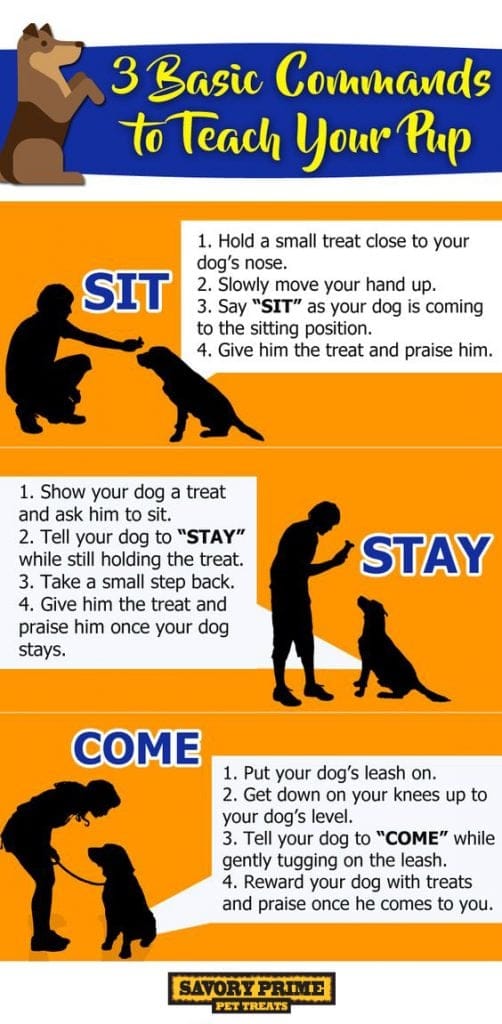
Training Steps for “Sit”
- Lure with a Treat: Begin with your dog in front of you. Hold a treat in your hand and slowly move it from your dog’s nose upwards, over their head. Your dog’s natural inclination will be to follow the treat with their eyes, causing their rear end to lower into a sit. Ensure the treat is close enough for them to see but not so high that they would jump to reach it.
- Reward Success: As soon as your dog’s rear end touches the ground, immediately say “yes!” (or use your chosen marker word) and give them the treat. This positive reinforcement is crucial for them to understand what action earned the reward.
- Assisted Sit (if needed): If your dog doesn’t naturally sit when lured, you can gently assist them. If your dog is on a leash, a slight upward and backward pull on the leash can help lift their front end, encouraging their hindquarters to drop. Once they achieve the sit, reward them with a “yes!” and the treat.
- Introduce the Command: Once your dog reliably sits when lured with a treat, start introducing the verbal cue “sit” just before you lure them. As they become more proficient, you can begin to phase out the visual lure of the treat, relying more on the verbal command.
- Develop a Hand Signal: You can also associate a hand signal with the “sit” command. A common signal is to raise your fist as if lifting a dumbbell, or you can point towards your dog’s rear end as you give the verbal cue. Consistent use of both the verbal command and hand signal will reinforce the behavior.
Teaching Your Dog to Stay
The “stay” command is a powerful tool for controlling your dog’s movement and preventing them from acting impulsively. It’s invaluable for preventing them from chasing other animals, dashing out of doors, or breaking other commands. Consistent and thorough training of the “stay” command, with regular practice, can provide significant control over your dog’s actions.
Training Steps for “Stay”
- Initial “Sit-Stay”: Ask your dog to sit in front of you. Give the “stay” command, then take one step backward. Immediately step back towards your dog. If they remained in the sit position, issue a “yes!” and reward them. It is important to always return to your dog to give the reward, rather than calling them to you. This reinforces the concept that “stay” means to remain in place.
- Increase Distance Gradually: Repeat Step 1, progressively increasing the number of steps you walk away from your dog. Continue to return to your dog to reward them for holding the stay.
- Troubleshooting “Breaking” Stays: If your dog consistently breaks the stay, you are likely progressing too quickly. Reduce the distance and duration you are asking of them and gradually build up again. training a dog to come back to you.
- Mastering Room-Length Stays: With consistent practice, your dog will eventually be able to hold a stay as you cross an entire room.
- Introducing Out-of-Sight Stays: Once your dog can reliably stay while in your sight, you can introduce the out-of-sight stay. Give the “stay” command, then take one step out of the room. Immediately step back into the room and return to your dog. Reward them if they maintained their position. train your dog to come back.
- Increasing Duration Out of Sight: Gradually increase the amount of time you are out of your dog’s sight while they are in a stay. With patience and practice, they will learn to hold their position for extended periods, even when they cannot see you.
- Applying to Other Positions: To teach a “stand-stay” or “down-stay,” first teach your dog the respective command (“stand” or “down”), and then apply the “stay” training steps outlined above with your dog in that position.
The ability of dogs to learn a vast number of human commands is truly impressive. Dedicating time to training these fundamental commands will not only enhance your dog’s obedience but also strengthen the bond between you and your furry friend. For further guidance on perfecting recall, explore resources on how to train a dog to come.
