
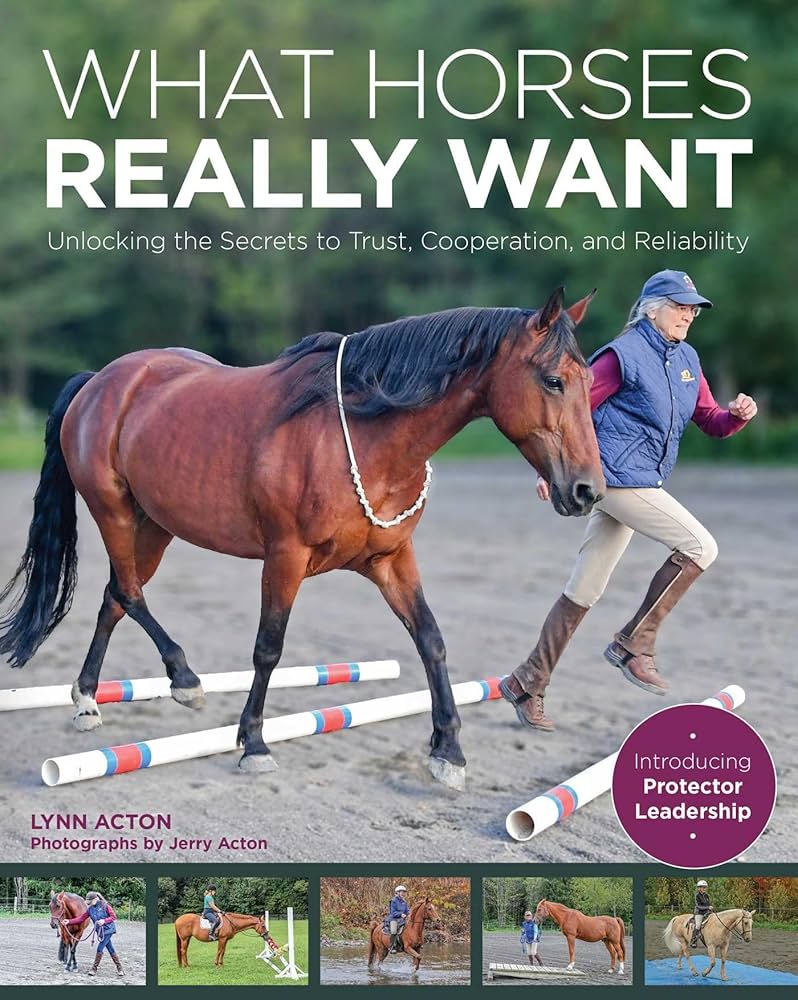
Embarking on the journey of training your own horse is a deeply rewarding experience, fostering a unique bond built on trust, communication, and mutual respect. While professional trainers offer invaluable expertise, the process of learning and applying training techniques yourself can lead to a profound understanding of your equine partner. This guide will walk you through the essential principles and practices for successfully training your horse, ensuring a safe, effective, and enjoyable partnership.
The Foundation of Trust: Building Rapport with Your Horse
Before any formal training begins, establishing a strong foundation of trust and rapport is paramount. This involves consistent, positive interactions that allow your horse to feel safe and understood. Spend time simply being with your horse, grooming them, and observing their behavior.
Understanding Horse Psychology
Horses are prey animals, and their natural instincts revolve around herd dynamics, communication through body language, and responding to perceived threats. Understanding these innate behaviors is crucial for effective training.
- Herd Mentality: Horses are social animals and thrive in a herd environment. They look to a leader for security. In your relationship, you will become that leader.
- Body Language: Horses communicate primarily through subtle shifts in posture, ear position, tail carriage, and eye expression. Learning to read these cues will help you understand your horse’s emotional state and reactions to your training.
- Flight or Fight Response: When a horse feels threatened or unsure, their first instinct is to flee. Training should aim to build confidence, not trigger this response. Gentle guidance and clear communication are key.
Positive Reinforcement Techniques
Modern horse training heavily emphasizes positive reinforcement, where desired behaviors are rewarded, making them more likely to occur again. This creates a positive learning environment and strengthens the human-horse bond.
- Rewards: Rewards can include verbal praise (“good boy/girl”), a gentle scratch in a preferred spot, or a small, favored treat (used sparingly and strategically).
- Timing is Everything: The reward must be delivered immediately after the desired behavior so your horse associates the action with the positive outcome.
- Consistency: All members of the household involved in the horse’s care and training should use consistent cues and reward systems.
Essential Training Principles for Every Horse Owner
Whether you’re starting with a young, unbroken horse or looking to refine the skills of a seasoned equine, certain core principles underpin successful training.
Clear and Consistent Communication
Your horse needs to understand what you are asking. This requires clear, consistent cues, whether they are verbal, with your hands, or with your body language.
- Vocal Cues: Use a consistent word or phrase for each command. For example, “whoa” for stop, “walk on” for move forward.
- Physical Cues: Your hands, legs, and even your gaze can communicate to your horse. Ensure these signals are distinct and used purposefully.
- Pressure and Release: This is a fundamental principle. Apply gentle pressure to ask for a behavior, and release that pressure the moment the horse responds correctly. This teaches the horse to yield to pressure and find comfort in compliance.
Patience and Persistence
Horse training is rarely a linear process. There will be good days and challenging days. Patience is your most valuable tool. Celebrate small victories and don’t get discouraged by setbacks. Persistence, combined with a willingness to re-evaluate your approach, is crucial.
Groundwork: The Bedrock of Riding
Before you even think about getting in the saddle, a solid foundation of groundwork is essential. This teaches your horse to respect your space, respond to your cues on the ground, and build confidence.
Leading and Haltering
- Leading: Teach your horse to walk calmly beside you on a lead rope, stopping when you stop and moving when you move. Avoid pulling or jerking; use steady, consistent pressure and release.
- Haltering: Make the process of putting on and taking off the halter a positive experience.
Desensitization
Horses can be spooked by unfamiliar objects or sounds. Gradually exposing your horse to various stimuli in a controlled, positive way helps them become desensitized. This can include tarps, flags, umbrellas, and even simple noises.
- Introduce Slowly: Start with the object at a distance, allowing your horse to observe it calmly.
- Reward Calmness: Praise and reward your horse for remaining relaxed.
- Gradual Approach: Slowly bring the object closer, always observing your horse’s reaction. If they show signs of stress, back off and try again later. A diy horse training flag can be a useful tool for this.
Lunging
Lunging involves working your horse in a circle on a long rope or lunge line. It’s an excellent way to practice voice commands, improve obedience, develop fitness, and assess your horse’s movement and temperament.
Riding Techniques: From Basics to Advanced
Once your horse is well-grounded and responsive, you can begin riding training.
Mounting and Dismounting
Teach your horse to stand patiently and quietly while you mount and dismount.
Basic Aids: Walk, Trot, Canter, Halt
- Walk: Encourage forward movement with a gentle leg cue and perhaps a “walk on” vocal command.
- Halt: Use your reins and seat to signal a stop, paired with a clear “whoa.”
- Trot and Canter: These gait transitions require more refined cues from your legs and seat.
Steering and Turning
Teach your horse to respond to subtle rein and leg aids to guide them in different directions.
Transitions
Smooth transitions between gaits (e.g., walk to trot, trot to canter) are a mark of good training and partnership.
Specific Training Goals and Techniques
Beyond the fundamentals, you might have specific goals for your horse, such as teaching them to train your horse to lay down or perform specific maneuvers.
Teaching Advanced Behaviors
When teaching more complex behaviors, break them down into small, manageable steps. Reward each successful step before moving on to the next. For instance, if teaching a horse to lay down, you might first reward them for lowering their head, then for bending their knees, and so on. Patience and a deep understanding of your horse’s physical and mental capabilities are crucial here. How to train your horse to lay down provides more detailed instruction.
Addressing Behavioral Challenges
If your horse exhibits challenging behaviors, it’s important to understand the root cause. Is it fear, lack of understanding, or a physical issue?
- Fear-Based Behaviors: Revert to desensitization and building trust.
- Lack of Understanding: Revisit the foundational training principles. Break down the request into smaller steps and ensure clear communication.
- Physical Issues: Consult a veterinarian to rule out any pain or discomfort that might be contributing to the behavior.
The Importance of Biosecurity in Horse Training
As you bring your horse to different locations for training or interact with other horses, maintaining good biosecurity practices is vital to prevent the spread of disease.
Biosecurity Basics
- Quarantine New Horses: Always isolate new horses for a period to monitor for any signs of illness before introducing them to your existing herd.
- Cleanliness: Regularly clean and disinfect stables, equipment, and water troughs.
- Shared Equipment: Be cautious when sharing equipment with other horse owners. Disinfect shared items before use.
- Awareness: Stay informed about common equine diseases and their prevention. Biosecurity training for horse owners can provide essential knowledge.
Leveraging Resources and Expertise
You don’t have to do it all alone. There are many resources available to support your training journey.
Online Resources and Books
Numerous books, articles, and online video tutorials offer detailed instruction on various training techniques. Always seek out resources from reputable trainers and organizations.
Working with Professionals
While the goal is to Train Your Own Horse, don’t hesitate to seek guidance from experienced professionals. A few lessons with a qualified trainer can help you refine your techniques, troubleshoot problems, and ensure you are on the right track. Websites like Chad Brown horse trainer website can offer insights into professional training philosophies.
Conclusion: A Lifelong Partnership
Training your own horse is a continuous learning process that deepens the bond between you and your equine partner. By adhering to principles of trust, clear communication, patience, and consistent practice, you can build a strong, respectful relationship that lasts a lifetime. Remember that every horse is an individual, and understanding their unique personality and needs will be your greatest asset in this fulfilling endeavor. Enjoy the journey of discovery and growth with your horse.
