
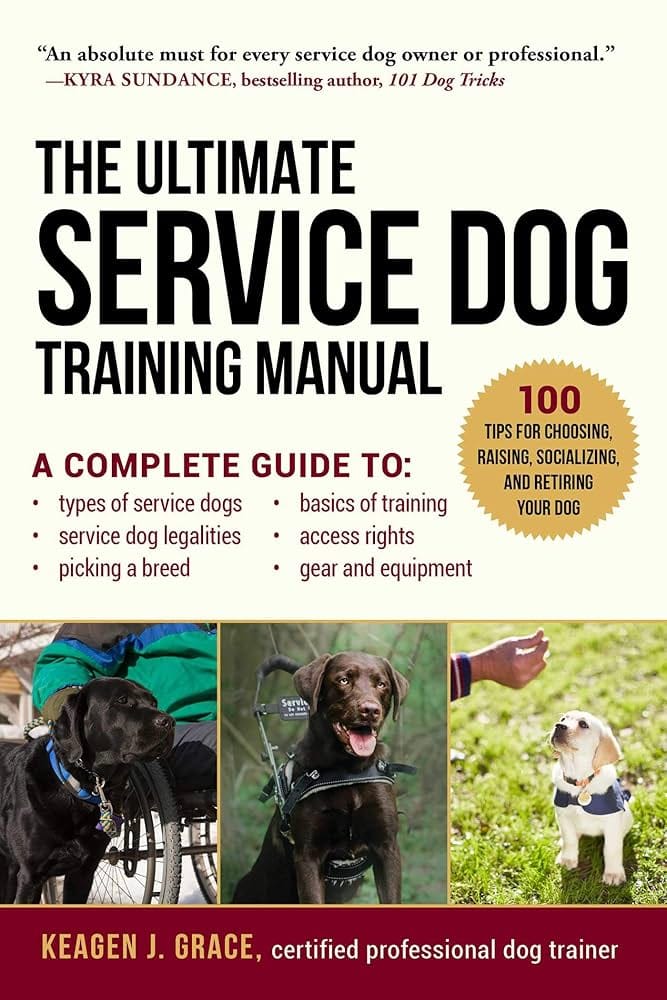
Bringing a service dog into your life can be a transformative experience, offering invaluable support and companionship. Training your own dog to become a service animal is a rewarding journey that requires dedication, patience, and a clear understanding of the process. This guide will walk you through the essential steps and considerations for successfully training your dog to be a service dog.
Understanding the Role of a Service Dog
Before embarking on the training journey, it’s crucial to understand what defines a service dog. Unlike emotional support animals or therapy dogs, service dogs are specifically trained to perform tasks that mitigate a person’s disability. These tasks can range from retrieving dropped items and providing balance support to alerting to medical episodes and guiding individuals with visual impairments. The Americans with Disabilities Act (ADA) defines a service animal as a dog that has been individually trained to do work or perform tasks for the benefit of an individual with a disability.
Key Differences: Service Dog vs. Emotional Support Animal vs. Therapy Dog
- Service Dog: Trained to perform specific tasks to assist a person with a disability. Legally recognized under the ADA.
- Emotional Support Animal (ESA): Provides comfort and support through companionship but is not trained to perform specific tasks. Does not have the same legal protections as service dogs under the ADA.
- Therapy Dog: Provides comfort and affection to individuals in settings like hospitals, nursing homes, and schools. They undergo specific temperament testing and training but are not trained for a specific individual’s disability.
The Journey of Training Your Own Service Dog
Training your own service dog is a significant commitment, often taking one to two years to complete. It involves advanced obedience training, public access training, and specific task training tailored to the handler’s needs.
Step 1: Selecting the Right Candidate
Not every dog is suited for service work. Genetics, temperament, and health play crucial roles.
- Temperament: Look for a dog that is calm, confident, eager to please, highly trainable, and not easily startled or reactive. Dogs that are overly fearful, aggressive, or easily distracted are generally not good candidates.
- Health: A service dog must be physically sound. Ensure the dog has no underlying health issues that could prevent them from performing tasks or that could be exacerbated by rigorous training and public outings. A veterinarian’s assessment is vital.
- Breed: While many breeds can become service dogs, certain breeds are often favored for their intelligence, trainability, and inherent working drive. These include Labrador Retrievers, Golden Retrievers, Poodles, and German Shepherds. However, a dog’s individual temperament and trainability are more important than breed alone.
Step 2: Foundational Obedience Training
This is the bedrock of all service dog training. Your dog must have impeccable manners in all situations.
- Basic Obedience: Mastering commands like “sit,” “stay,” “come,” “down,” and “heel” is essential. The training should go beyond basic cues, emphasizing reliability even with distractions.
- Advanced Obedience: This includes extended stays, precise heeling, and responding to commands with a calm demeanor. The goal is a dog that is always attentive to its handler.
- Socialization: Expose your dog to a wide variety of sights, sounds, people, and environments from a young age. This helps them develop into a well-adjusted adult dog that can handle diverse situations calmly.
Step 3: Public Access Training
This phase prepares your dog to accompany you anywhere the public is allowed. It’s about ensuring your dog is well-behaved and unobtrusive in public spaces.
- Gradual Exposure: Start with short trips to pet-friendly stores, then gradually move to more challenging environments like busy shopping malls, restaurants, and public transportation.
- Behavioral Standards: Your dog should remain calm and focused, ignore distractions (food on the floor, other animals, loud noises), and not solicit attention from strangers. They must be house-trained to an impeccable standard, with no accidents.
- Task Demonstration: During public access, your dog should be able to perform its trained tasks discreetly and effectively.
For those seeking specialized guidance, resources like training your own service dog can offer structured programs and advice.
Step 4: Specific Task Training
This is where service dog training becomes highly individualized. You’ll train your dog to perform tasks directly related to your disability.
- Identifying Tasks: Work with a healthcare professional to identify specific tasks that can mitigate your disability. Examples include:
- Mobility Support: Providing balance by leaning on, bracing for standing up, or retrieving dropped items.
- Medical Alert: Alerting to changes in blood sugar, seizures, or the onset of a panic attack.
- Psychiatric Support: Disrupting self-harm behaviors, intervening in dissociative episodes, or providing deep pressure therapy.
- Guiding: Navigating obstacles for visually impaired individuals.
- Shaping Behaviors: Use positive reinforcement techniques like clicker training and reward-based methods to teach specific actions. Break down complex tasks into smaller, manageable steps.
- Generalization: Ensure your dog can perform tasks reliably in various environments and under different conditions.
A reputable trainer can be invaluable during this stage. Understanding how to find one is key, as highlighted in the guide on reputable service dog trainer.
Legal Considerations and Rights
In the United States, under the ADA, service dogs are granted access to public places. However, it’s important to understand your rights and responsibilities.
- Identification: While not legally required by the ADA, a service dog vest or ID can help signal to others that the dog is working. However, business owners can only ask two questions: (1) Is the dog a service animal required because of a disability? and (2) What work or task has the dog been trained to perform? They cannot ask about the nature of the disability or demand documentation.
- Handler Responsibilities: As a handler, you are responsible for your dog’s behavior and cleanliness. If your dog is not house-trained or is out of control, you may be asked to remove the dog.
The Role of Professional Trainers and Programs
While training your own service dog is possible, it’s a demanding process. Many handlers find it beneficial to work with or enroll in programs offered by professional trainers or organizations.
- Professional Guidance: Experienced trainers can assess your dog’s suitability, guide you through advanced training techniques, and help troubleshoot challenges. They can be particularly helpful in refining public access skills and ensuring task reliability.
- Program Benefits: Established service dog organizations often have rigorous selection processes for both dogs and handlers, comprehensive training curricula, and ongoing support. These programs can be a significant investment but offer a high level of assurance. Exploring options like service dog training Rockwall can provide local resources if applicable.
Maintaining a Service Dog’s Training
Training doesn’t end once your dog “graduates.” Ongoing practice and reinforcement are crucial to maintain a service dog’s skills and good behavior.
- Regular Practice: Continue to practice obedience and task work regularly.
- Continued Socialization: Keep exposing your dog to new environments and situations to ensure they remain comfortable and well-adjusted.
- Veterinary Care: Regular check-ups are essential to ensure your dog remains healthy and able to perform their duties.
Training your dog to be a service dog is a profound commitment that yields immense rewards. It requires patience, consistency, and a deep understanding of your dog’s capabilities and your own needs. With the right approach, your canine partner can become an indispensable aid, enhancing your independence and quality of life. For those embarking on this path, understanding the nuances of how to train your dog to be a service dog is the first step toward a successful partnership.
