
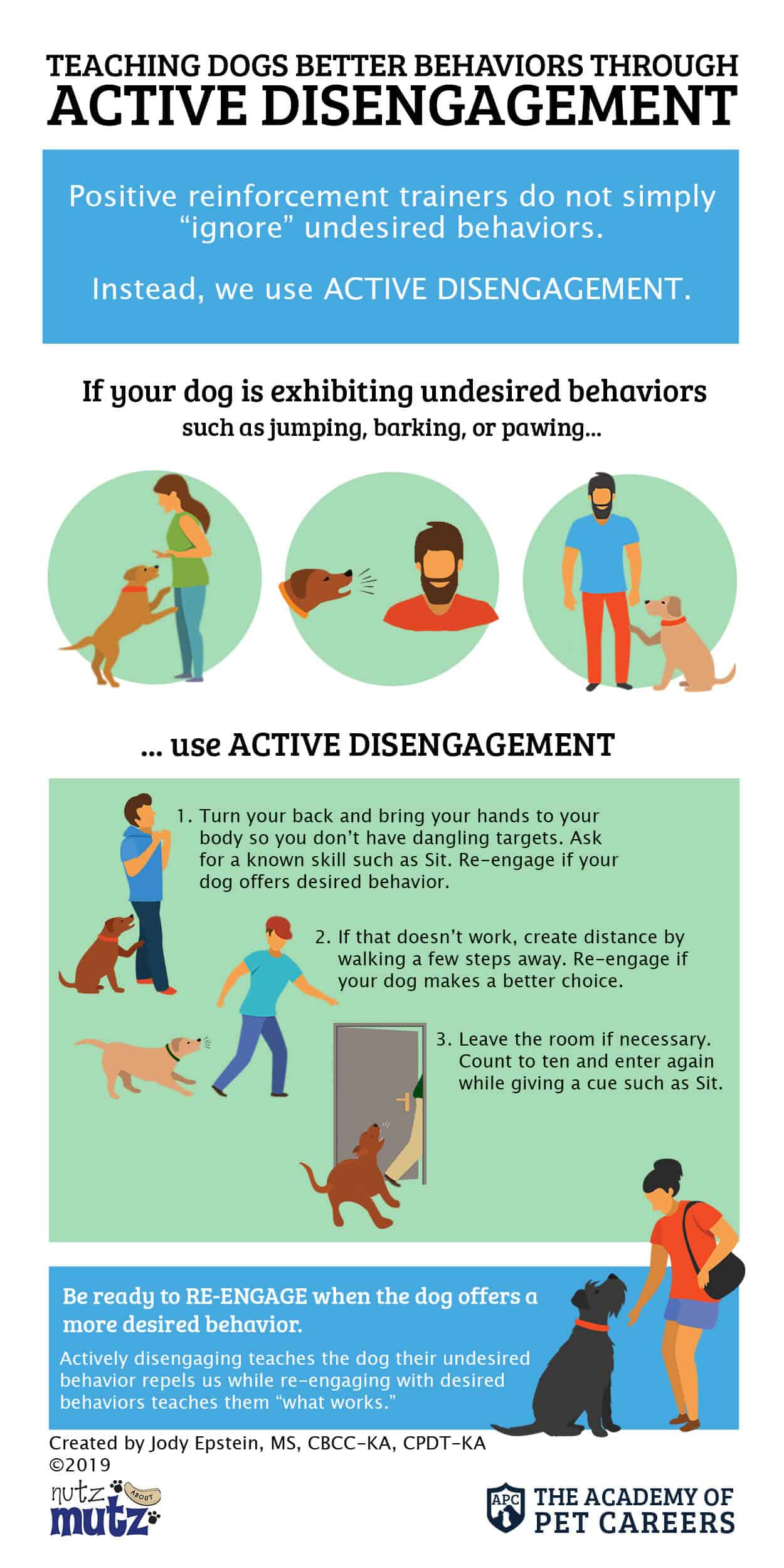
Dogs jump for a variety of reasons, including seeking attention, expressing excitement, or simply not knowing what else to do when they encounter a person. While the impulse to greet a loved one with enthusiasm is natural for dogs, this jumping behavior can quickly become problematic as they grow. It’s a common human tendency to find puppy antics endearing, inadvertently encouraging a behavior that can turn into a significant nuisance in adulthood. Beyond being a nuisance, a dog that jumps on people can pose a safety risk, potentially causing scratches, bruises, or even serious injuries to children or frail adults. Addressing this common behavior requires a two-pronged approach: consistent management of the situation and dedicated training.
Managing the Jumping Behavior
Management is about controlling the environment to prevent your dog from practicing the unwanted jumping behavior. Implementing management techniques is crucial while your dog is in the learning phase and before they are adequately trained not to jump.
For instance, when expecting guests, you can proactively manage your dog’s behavior before they even arrive. Consider these options:
- Crate Training: Secure your dog in their crate.
- Confinement: Keep your dog in a separate room.
- Leash Restraint: Have your dog on a leash and ask them to sit as your guest enters. Be sure to reward this calm, seated behavior.
These strategies prevent the opportunity for jumping while your dog learns and solidifies appropriate greeting manners.
Training Your Dog to Stay Grounded
The core of training your dog not to jump lies in teaching them that jumping results in a complete lack of attention. When your dog jumps on you or anyone else, immediately turn your back. Only offer praise and physical affection when all four of your dog’s paws are firmly on the floor.
A highly effective training method is to teach your dog a behavior that is incompatible with jumping, such as sitting. A dog cannot simultaneously sit and jump up. If your dog is not in a sitting position, they receive no attention. This teaches them that a calm, seated posture is the key to receiving positive reinforcement.
Consistency is paramount in this training process. Every member of your household must adhere strictly to the training program at all times. Allowing your dog to jump on people in certain situations but not others will only create confusion and hinder progress. Everyone needs to be on the same page to ensure your dog understands the consistent expectation of keeping all four paws on the ground.
Resources for Further Training
For those seeking additional support and more in-depth strategies, several resources can be incredibly helpful in your journey to train your dog not to jump. These resources often provide detailed guidance and address specific scenarios you might encounter.
- Train dog not to jump up offers practical advice for managing and correcting jumping behavior.
- Understanding how to train my dog not to jump up can provide the foundational knowledge for a successful training plan.
- Learning to train your dog not to jump up involves consistent application of learned techniques.
- Specific advice on how to train your dog not to jump on people can be invaluable for social situations.
By combining consistent management with dedicated training, and by utilizing available resources, you can effectively teach your dog polite greeting manners and ensure a safer, more enjoyable experience for everyone.
