
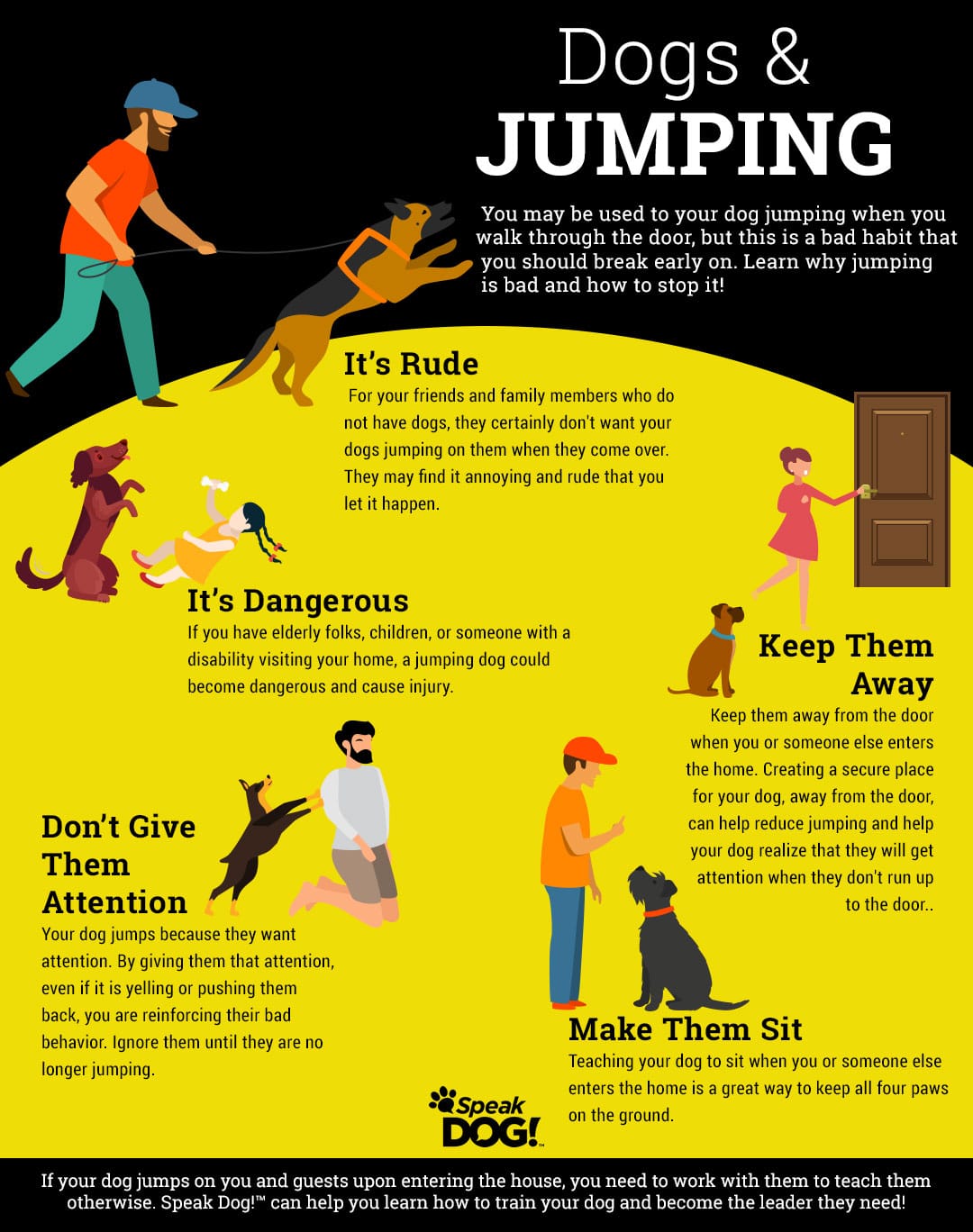
Teaching your dog to keep all four paws on the floor when greeting people is a fundamental part of good manners. It’s not just about looking good; it’s also about safety, preventing accidental knocks, and ensuring your dog is a welcome guest anywhere. This guide will walk you through effective, positive reinforcement methods to help your furry friend master this essential skill. If you’re wondering [how to train dog to not jump on people], you’ve come to the right place. We’ll cover everything from understanding why dogs jump to implementing training techniques that yield lasting results, ensuring your dog learns to [train dog not to jump on people] effectively.
Understanding Why Dogs Jump
Before we dive into the training, it’s crucial to understand the motivations behind a dog’s jumping behavior. Dogs, especially puppies, often jump for a variety of reasons:
- Greeting and Excitement: This is the most common reason. Dogs jump up as an enthusiastic greeting, often mimicking how they greeted their mother and littermates. They might also jump to get closer to your face, which is where the scent of your food or your familiar smell is strongest.
- Seeking Attention: If jumping up results in any form of attention—even negative attention like pushing them off—the dog learns that jumping is an effective way to get noticed.
- Playfulness: Some dogs jump simply because they are feeling playful and want to initiate interaction.
- Lack of Training: Often, dogs jump because they haven’t been taught alternative, more appropriate greeting behaviors.
Understanding these reasons helps tailor your training approach. For instance, if your dog jumps out of excitement, you’ll need to manage their arousal levels during greetings.
Essential Tools and Preparation
To successfully [Train Your Dog Not To Jump On People], you’ll need a few key items and a prepared mindset:
- Leash and Collar/Harness: A standard leash (4-6 feet) and a well-fitting collar or harness are essential for managing your dog during training sessions, especially when guests arrive.
- High-Value Treats: Small, tasty treats that your dog absolutely loves will be your primary motivator. Think bits of cheese, cooked chicken, or special dog training treats.
- A Calm Environment: Start training in a quiet, familiar setting with minimal distractions. As your dog progresses, you can gradually introduce more challenging environments.
- Patience and Consistency: This is perhaps the most critical “tool.” Training takes time, and every family member or regular visitor needs to be on board with the same training method. Inconsistency is the biggest hurdle to overcome when trying to [train your dog not to jump on people].
- A “Leave It” or “Off” Cue: While not strictly necessary for the initial stages, having a cue to tell your dog to get down can be helpful once they understand the basic concept.
Step-by-Step Training Methods
Here are the most effective methods to teach your dog polite greetings:
Method 1: The “Four on the Floor” Rule
This is the most widely recommended and effective method. The principle is simple: your dog only receives attention when all four paws are on the ground.
- Identify the Trigger: When you or a guest approaches your dog, be ready. The moment your dog starts to jump, the interaction stops.
- Withdraw Attention: Immediately turn away from your dog, cross your arms, and avoid eye contact. If you’re on a leash, gently guide your dog away or have them sit. The goal is to make jumping result in the loss of desired attention.
- Reward Calmness: The instant your dog’s paws touch the ground, even for a second, turn back and calmly offer praise or a treat. They might jump again, so be prepared to repeat the withdrawal of attention.
- Gradual Re-engagement: Once your dog remains on the floor for a few seconds, you can offer gentle petting or a treat. If they jump up again, withdraw attention immediately.
- Practice with Guests: Have friends or family members help you practice. Instruct them to follow the same steps: ignore jumping, reward all four paws on the floor.
Key to Success: Consistency is paramount. Everyone who interacts with your dog must follow this rule. This method teaches your dog that jumping makes the person go away, while staying on the ground brings them closer.
Method 2: Teaching an Alternative Behavior (e.g., “Sit”)
This method focuses on teaching your dog a specific behavior to perform instead of jumping. “Sit” is an excellent choice because it’s difficult for a dog to jump while sitting.
- Teach a Solid “Sit”: Ensure your dog has a reliable “sit” command in various situations.
- Cue “Sit” Before Greeting: As soon as you see your dog getting excited or preparing to jump (e.g., when a guest approaches the door), cue them to sit.
- Reward the Sit: If your dog sits, immediately reward them with praise and a high-value treat. They can then be allowed to greet the person (while sitting).
- Manage the Greeting: Encourage your guest to reward the dog while they are sitting. If the dog gets up and jumps, the guest should immediately stand up straight, turn away, and withdraw attention until the dog sits again.
- Generalize the Behavior: Practice this in different scenarios. You can also cue “sit” as you approach your dog, rewarding them for staying in a sit position as you reach out to pet them.
Method 3: Leash Management for High-Energy Dogs
For dogs that are particularly excitable or have trouble settling down, using a leash during greetings can be very helpful.
- Keep Your Dog Leashed: When you know guests are arriving, have your dog on a leash. This gives you better control and prevents them from practicing the jumping behavior.
- Use the Leash to Prevent Jumping: As a guest approaches, ask them to stand still. If your dog tries to jump, gently use the leash to guide them back down to a sitting or standing position with all four paws on the floor.
- Reward Calmness on Leash: Reward your dog for remaining calm and having all paws on the floor while on the leash.
- Release with Caution: Once your dog has settled and is demonstrating good behavior on leash, you can release them, but be prepared to reapply leash control if they start to jump.
Addressing Common Challenges
- “My dog jumps on everyone!” This highlights the need for absolute consistency. Educate all family members, friends, and even casual acquaintances who interact with your dog. Explain the training method and why it’s important.
- “My dog only jumps when I’m not looking.” This is where management tools like leashes and gates become crucial. Prevent the opportunity to jump by managing the environment. For example, keep your dog on a leash or behind a baby gate when guests first arrive until they’ve calmed down.
- “My dog learned ‘sit’ but still jumps after sitting.” This means the dog hasn’t fully connected the calm greeting with the reward. Ensure you are rewarding the moment all four paws are on the floor, and that the reward is high-value. The “sit” might be a precursor, but the ultimate goal is paws on the floor. Consider how long they remain calm before rewarding.
- “What about when we’re out in public?” Once your dog reliably refrains from jumping at home, practice in more distracting environments like parks or on walking trails. Start with less intense distractions and gradually increase the challenge. Always be prepared with treats and manage the situation with a leash. Knowing [dog training conway sc] resources can be helpful if you need professional guidance in a specific area.
Integrating “Paws Off” into Daily Life
- Be Vigilant: Pay attention to your dog’s body language. Anticipate when they might jump (e.g., when the doorbell rings, when you get home).
- Practice Makes Perfect: Incorporate short, frequent training sessions into your daily routine. Even a few minutes several times a day can make a big difference.
- Positive Reinforcement is Key: Always focus on rewarding the desired behavior (keeping paws on the floor). Punishment-based methods can lead to fear and anxiety, potentially worsening other behavioral issues.
- Consider Professional Help: If you’re struggling, don’t hesitate to consult a certified professional dog trainer or behaviorist. They can provide personalized guidance and help troubleshoot specific issues. For example, if you live in a particular area, searching for “[dog training conway sc]” can connect you with local experts. They can also advise on broader training topics, such as “[are boxer dogs easy to train]” if you own that breed.
The Reward of a Well-Behaved Dog
Teaching your dog not to jump on people is a journey that requires dedication and understanding. By consistently applying positive reinforcement techniques and managing your dog’s environment, you can transform their enthusiastic greetings into polite, controlled interactions. A dog that doesn’t jump is not only better behaved but also safer and more enjoyable to be around for everyone. Remember, the goal is to build a strong bond based on clear communication and mutual respect, making every encounter a positive “Dog Care Story” moment. Mastering how to [train your dog not to jump on people] is a significant step in that direction.
