
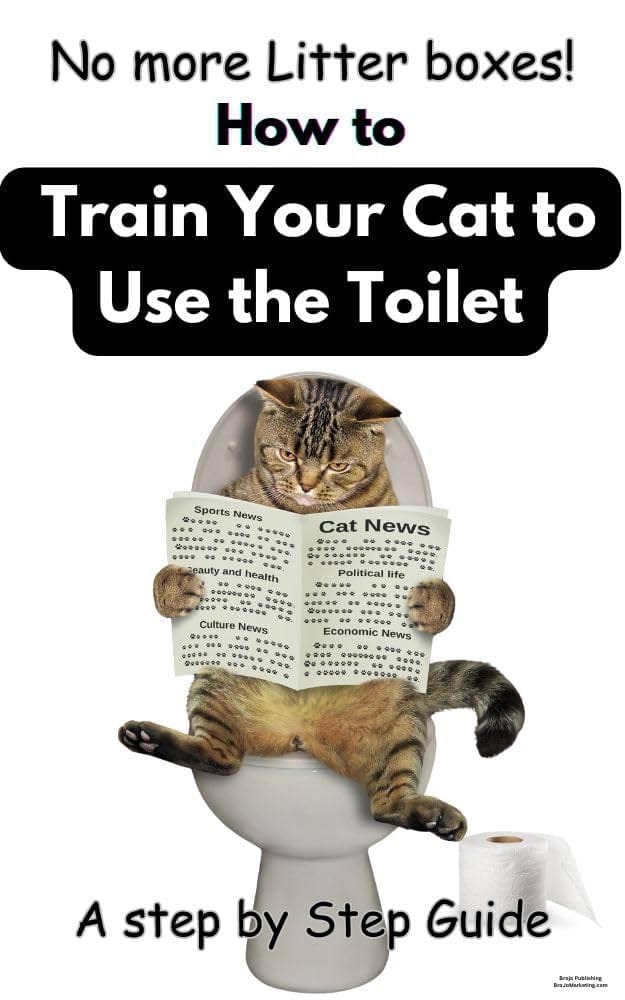
Bringing a new cat into your home is a joy, and once they’re settled, one of the next big steps for many owners is toilet training. While it might seem like a daunting task, training your cat to use the toilet is achievable with patience, consistency, and the right approach. This guide will walk you through the process, offering tips and insights to help your feline friend master this new skill. Imagine a home with no litter box to clean – it’s a reality many cat owners have successfully achieved!
Understanding the “Why” and “How” of Cat Toilet Training
Before diving into the “how,” let’s briefly touch on the “why.” Toilet training a cat can lead to a cleaner home, reduce odors, save money on litter, and eliminate the daily chore of scooping the litter box. It’s a significant convenience for both you and your pet. The process taps into a cat’s natural instincts to bury their waste, redirecting that behavior to a more convenient location.
The Gradual Transition: From Litter Box to Toilet
The key to success in training your cat to use the toilet is a gradual transition. Rushing the process can lead to setbacks and accidents. Here’s a breakdown of the stages:
Step 1: Relocation is Key
Start by moving your cat’s current litter box closer to the toilet. Do this incrementally, moving it just a few inches each day. Your cat is creatures of habit, and this slow adjustment helps them acclimate to the new location without stress. Ensure the litter box remains accessible at all times.
Step 2: Elevate the Litter Box
Once the litter box is next to the toilet, begin to elevate it. Use sturdy, stable objects like old books, magazines, or wooden blocks to gradually raise the litter box. Aim to reach the height of the toilet seat over a period of a week or two. Again, small, consistent increases are crucial.
Step 3: Transition to the Toilet Seat
When the litter box is at toilet seat height, it’s time for the next major step. You can either place a smaller, disposable litter pan directly on the toilet seat, or use a specialized cat toilet training system. These systems typically consist of a series of rings that fit into the toilet bowl, which you gradually remove.
Why this gradual approach? Cats are sensitive to changes in their environment. By slowly acclimatizing them, you minimize the potential for anxiety or behavioral issues, making the entire process smoother.
Step 4: Introduce the Training System or Modified Pan
If using a training system, follow the manufacturer’s instructions. If using a modified litter pan, ensure it’s secure. The goal is to get your cat accustomed to balancing on the toilet seat while eliminating.
Step 5: Gradually Remove Rings or Reduce Litter
With a training system, you’ll start removing the inner rings, making the hole larger over time. If you’re using a litter pan on the seat, you can begin to reduce the amount of litter, and eventually, try removing the pan altogether. This stage requires careful observation.
Consider this: Many cats instinctively try to bury their waste. As the hole gets larger, they may start to “aim” for it naturally.
Troubleshooting Common Issues in [Potty Train Cat to Use Toilet]
Not every cat will take to toilet training immediately, and that’s perfectly normal. Here are some common issues and how to address them:
- Accidents Outside the Box/Toilet: If your cat has an accident, don’t punish them. This can create fear and anxiety, setting back your training efforts. Clean the area thoroughly with an enzymatic cleaner to eliminate odors that might attract them back to that spot. Reassess the previous step – perhaps you moved too quickly. Go back a step and try again.
- Refusal to Jump or Balance: Some cats are hesitant to jump onto the toilet or balance on the seat. Ensure the toilet lid is always up and the seat is down. You can try placing treats on the seat to encourage them to jump up. If your cat is particularly anxious, you might need to slow down the elevation process.
- Fear of the Water or Flushing Sound: The sound of flushing can be startling. Try to flush the toilet only when your cat is not present, or after they have left the bathroom. Some cats may associate the flush with their waste disappearing and become wary.
A Word of Caution: While rewarding, remember that not all cats are suited for toilet training. Some may find the experience stressful, and forcing it can be detrimental to their well-being. If your cat consistently shows distress, it’s okay to revert to a traditional litter box setup. The goal is a happy and comfortable cat.
The Final Steps: Encouraging Independence
Once your cat is consistently using the toilet with minimal or no litter, you can phase out any remaining litter or training aids. The ultimate goal is for your cat to jump onto the toilet, do their business, and leave, much like humans do.
Key to Success: Consistency is paramount. Stick to the plan, observe your cat’s behavior closely, and celebrate small victories.
Maintaining the Habit
Even after successful toilet training, occasional reinforcement might be needed. Keep the bathroom door open, the toilet lid up, and the seat down. Some owners even find that leaving a small amount of flushable cat litter in the toilet bowl during the initial stages can help signal to the cat where their “litter box” is.
Remember, how to train your cat to use the toilet is a journey, not a race. With dedication, you can achieve this remarkable feat and enjoy a cleaner, more convenient home life with your feline companion. If you’re exploring alternative methods, understanding how do you train cats to use the toilet also involves looking at various training systems and positive reinforcement techniques. The ultimate aim is a happy cat and a happy owner, which is what training cat to use toilet is all about.
