
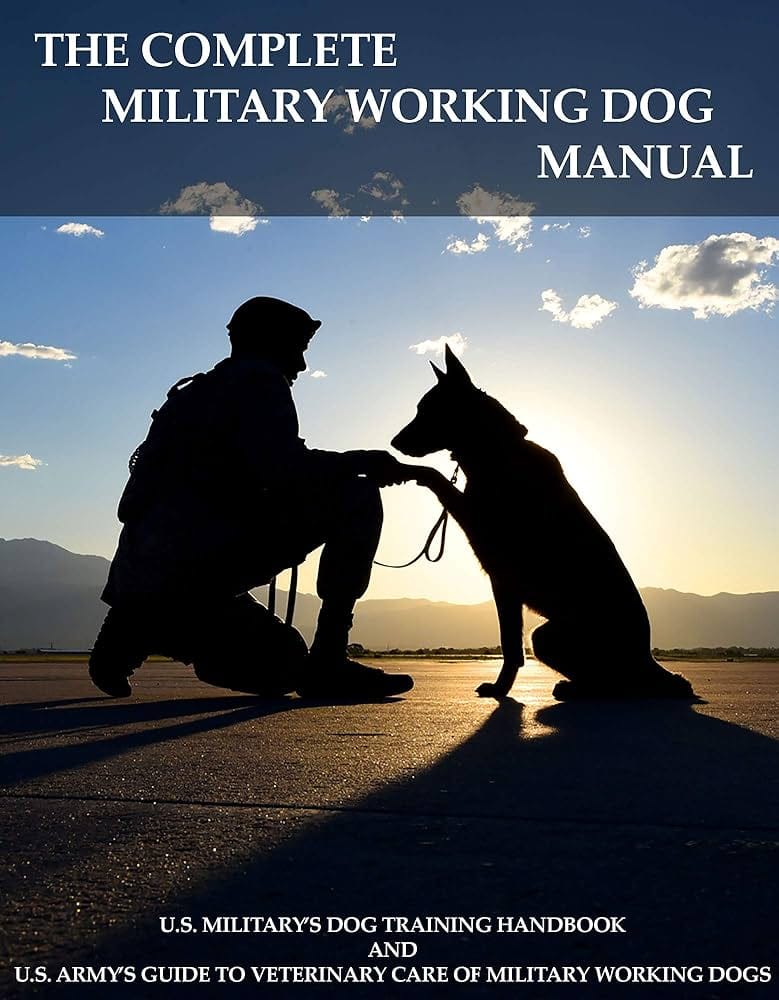
The journey of a service dog is one of profound transformation, offering invaluable companionship and life-changing support. For veterans, these highly trained animals are more than just pets; they are partners in reclaiming independence and well-being. The process of training a service dog for a veteran is a specialized endeavor, requiring a deep understanding of both canine behavior and the unique needs of those who have served. This guide aims to demystify the path to acquiring and training a service dog, highlighting the dedication, expertise, and emotional rewards involved.
The Vital Role of Service Dogs for Veterans
Service dogs provide essential support to veterans experiencing a wide range of challenges, from physical disabilities to invisible wounds like PTSD. Their training is tailored to mitigate specific issues, offering a unique form of non-pharmacological assistance. These dogs are trained to perform tasks that directly address a veteran’s needs, such as alerting to medical episodes, providing deep pressure therapy during anxious moments, retrieving dropped items, or even navigating public spaces with their handler. The bond formed between a veteran and their service dog often becomes a cornerstone of their recovery and daily life. Understanding how much does it cost for a dog trainer can provide insight into the investment required for this life-altering partnership.
Understanding Service Dog Tasks and Capabilities
The capabilities of a service dog are diverse and directly related to the handler’s needs. For veterans with PTSD, a service dog might be trained to interrupt dissociative episodes, create a physical buffer in crowds, or wake their handler from nightmares. For those with mobility impairments, tasks can include fetching medication, opening doors, or providing balance support. The training is rigorous, often taking 18-24 months, and focuses on developing a deep understanding between dog and handler. This specialized training is what differentiates a service dog from a therapy dog or emotional support animal.
Finding the Right Service Dog: Key Considerations
The search for a service dog is a critical first step. Many veterans work with reputable organizations that breed, raise, and train dogs specifically for service work, or they partner with professional trainers. When considering potential candidates, factors such as temperament, breed suitability, and health are paramount. Not all dogs are suited for the demanding role of a service dog, and a thorough evaluation is essential.
Breed Tendencies and Suitability
While many breeds can be trained as service dogs, certain breeds are often favored due to their intelligence, trainability, and temperament. Labrador Retrievers, Golden Retrievers, and German Shepherds are consistently popular choices. However, the “best” breed is ultimately the one that best matches the individual veteran’s lifestyle and needs. A dog’s individual personality and drive are often more important than breed alone.
Temperament and Health Screening
A service dog must possess a calm, confident, and adaptable temperament. They need to be comfortable in various environments, unfazed by loud noises or strange situations, and possess a strong desire to work. Comprehensive health screenings are also non-negotiable. This includes checking for genetic predispositions to common health issues that could impact a dog’s working life or require expensive medical intervention down the line.
The Training Process: From Puppyhood to Partnership
The training of a service dog is a multi-stage process that begins long before the dog is placed with a veteran. It involves socialization, basic obedience, advanced task training, and public access training.
Early Socialization and Foundation Training
From a young age, puppies are exposed to a wide array of sights, sounds, and experiences to build their confidence and adaptability. This early socialization is crucial for developing a well-rounded dog that can handle the diverse environments a service dog will encounter. Basic obedience commands are taught using positive reinforcement methods, establishing a strong foundation for more complex training. This period is intensive and requires significant commitment from trainers and handlers.
Advanced Task Training
Once a solid foundation is established, training progresses to specific tasks designed to assist the veteran. This is the core of service dog training, where the dog learns to respond to cues and perform actions that directly mitigate the handler’s disability. This phase requires patience, consistency, and a deep understanding of canine learning theory. It’s during this stage that many discover how much to train a service dog, as the complexity and duration become apparent.
Public Access Training and Certification
A critical component of service dog training is public access work. This involves teaching the dog to behave impeccably in public settings, ignoring distractions and remaining focused on their handler. While certification is not legally required in all jurisdictions, many veterans and trainers pursue it to provide clear documentation of the dog’s training and status. Organizations like service dog training orange county ca often focus on these advanced stages.
Working with Professional Trainers and Organizations
Many veterans find the most success by partnering with professional service dog training organizations or certified trainers. These professionals have the expertise and resources to ensure dogs are properly trained and matched with their ideal handlers.
Benefits of Professional Training
Professional trainers bring a wealth of knowledge and experience to the process. They understand the intricacies of service dog tasks, canine behavior, and the legal aspects of service animals. They can also help veterans navigate the often complex and lengthy process of acquiring a trained service dog. For veterans interested in specific training commands, german commands dog training can be a valuable resource for certain trainers.
Finding Reputable Programs
When seeking professional assistance, it’s essential to research and choose reputable programs. Look for organizations with a proven track record, transparent training methodologies, and a strong commitment to the well-being of both the dogs and the veterans they serve. Resources like dog training for veterans can offer guidance and connect individuals with trusted programs.
The Veteran-Service Dog Bond: A Partnership for Life
The relationship between a veteran and their service dog is unique and deeply profound. It is built on trust, mutual respect, and a shared journey towards healing and independence.
Building Trust and Communication
The training process itself is instrumental in building the initial trust and communication between a veteran and their dog. As the veteran becomes involved in the later stages of training, their bond deepens, fostering a powerful connection. This partnership allows veterans to face challenges with greater confidence, knowing they have a dedicated companion by their side.
Ongoing Training and Support
The training of a service dog doesn’t end when the dog is placed with a veteran. Ongoing practice and reinforcement are essential to maintain the dog’s skills and adapt to any evolving needs of the veteran. Many organizations provide ongoing support and refresher training to ensure the long-term success of the partnership. Understanding the investment involved, such as considering how much does it cost for a dog trainer, is key to appreciating the full scope of this commitment.
Conclusion: A Rewarding Path to Enhanced Well-being
Training service dogs for veterans is a specialized field that combines a passion for animals with a deep commitment to supporting those who have served our country. The dedication, expertise, and resources required are significant, but the impact on a veteran’s quality of life is immeasurable. From early socialization to advanced task training, each step is carefully orchestrated to create a life-changing partnership. For veterans seeking to enhance their independence and well-being, the journey with a service dog offers a powerful and rewarding path forward. The investment in how much does it cost for a service dog is an investment in a veteran’s renewed quality of life.
