
Dealing with separation anxiety in dogs can be heartbreaking, not just for your furry friend but for you as well. Seeing your beloved companion distressed when you leave is tough, but it’s a common issue many dog owners face. Fortunately, with patience, understanding, and the right strategies, you can help your dog overcome this challenge and foster a more independent, confident pup. This guide will walk you through understanding the root causes, recognizing the signs, and implementing effective training methods to alleviate your dog’s separation anxiety.
Understanding Separation Anxiety in Dogs
Separation anxiety is more than just a dog being a bit clingy. It’s a panic disorder that triggers an extreme stress response when a dog is left alone or separated from a specific person or people. Dogs experiencing this condition aren’t acting out of spite or disobedience; they are genuinely distressed.
What Triggers Separation Anxiety?
Several factors can contribute to a dog developing separation anxiety:
- Changes in Routine or Environment: Moving to a new home, a change in the family’s schedule (like a new work routine), or the loss of a family member or another pet can trigger anxiety.
- Early Life Experiences: Dogs that spent time in shelters or have a history of abandonment may be more prone to developing separation anxiety.
- Genetics and Breed Predispositions: Some dogs may have a genetic predisposition to anxiety. Certain breeds are also known to be more prone to this issue.
- Sudden Separation: Being crated for long periods, or abrupt changes in owner’s presence without gradual acclimation, can be a factor.
Recognizing the Signs of Separation Anxiety
It’s crucial to identify the symptoms accurately. Common signs include:
- Excessive Vocalization: Barking, howling, or whining persistently when left alone.
- Destructive Behavior: Chewing on furniture, doors, windowsills, or personal belongings, often around exit points.
- House Soiling: Urinating or defecating indoors, even if the dog is reliably house-trained. This is typically not due to a medical issue but a stress response.
- Pacing: A repetitive, seemingly endless walking back and forth.
- Drooling and Panting: Excessive salivation and heavy panting beyond what’s normal for the environment.
- Escape Attempts: Trying to break out of crates or rooms, which can lead to self-injury.
- Depression or Lethargy: Some dogs may become withdrawn and unresponsive when left alone.
It’s important to differentiate these signs from boredom or lack of training. If these behaviors only occur when the dog is left alone, separation anxiety is a strong possibility.
Effective Strategies for Training Separation Anxiety
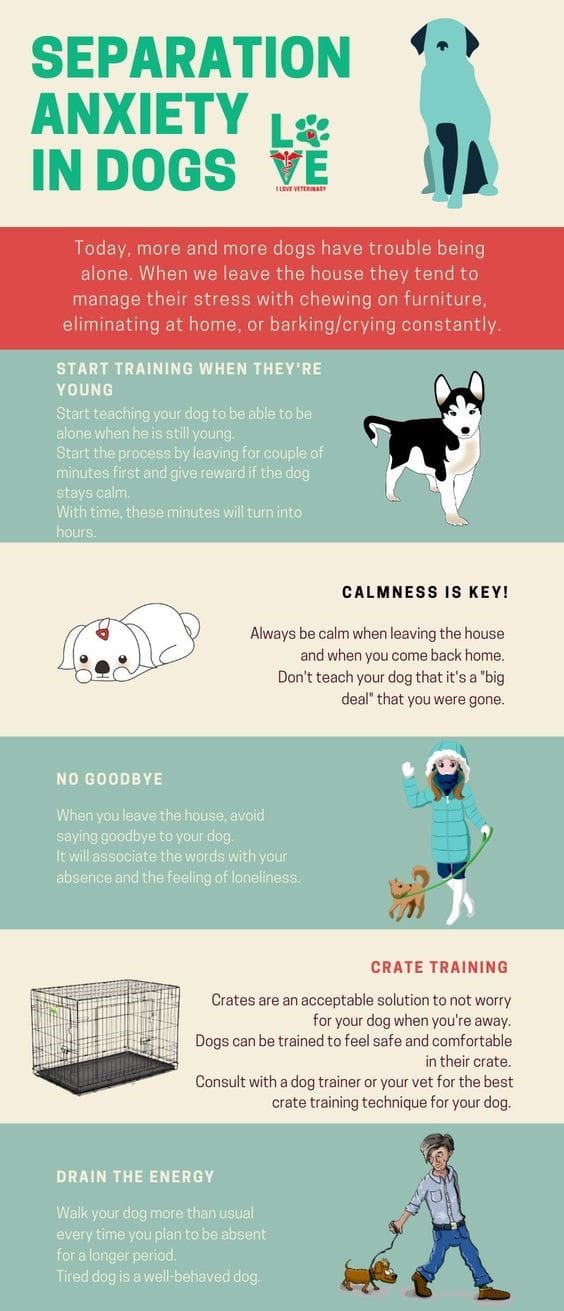
Successfully training a dog with separation anxiety requires a systematic and compassionate approach. The core principle is to help your dog build confidence and comfort when you are not around.
Gradual Desensitization and Counter-Conditioning
This is the cornerstone of separation anxiety training. It involves gradually increasing the time your dog is alone while associating your departures with positive experiences.
1. Independence Training at Home
- Practice Short Departures: Start by leaving for very short periods – just a few seconds, then minutes. Ensure your dog has a favorite chew toy or treat before you leave.
- Ignore Departure Cues: Dogs are smart and pick up on cues that signal your departure (grabbing keys, putting on shoes, picking up a bag). Practice these actions randomly throughout the day without leaving. This helps desensitize them.
- Create a Safe Space: Designate a comfortable, safe area for your dog, like a crate (if they are crate-trained and comfortable with it) or a specific room with their bed and favorite toys. Make this space a positive place they look forward to.
- Provide Engaging Distractions: Puzzle toys, KONGs filled with treats, or long-lasting chews can keep your dog occupied and mentally stimulated while you are away.
2. Gradual Increase in Alone Time
- Start Small: Begin with leaving for just 5-10 minutes. Return before your dog shows signs of distress.
- Slowly Extend Time: Gradually increase the duration by a few minutes each time, ensuring your dog remains calm. If your dog shows anxiety, you’ve increased the time too quickly; go back to a shorter duration.
- Vary Departure Times: Don’t always leave for the same duration or at the same time. Mix it up to avoid predictability.
- Consider a Dog Sitter or Daycare: For longer absences, especially in the initial stages, a trusted dog sitter or a reputable doggy daycare can provide socialization and reduce stress. This is a crucial step for many struggling with separation anxiety.
3. Counter-Conditioning Departures
- Positive Associations: Give your dog a special, high-value treat or toy only when you leave. This could be a stuffed KONG or a long-lasting chew. When you return, take the special item away. This helps your dog associate your departure with something highly rewarding.
- Calm Greetings and Departures: Avoid overly emotional goodbyes or greetings. Keep departures and arrivals low-key to minimize anxiety triggers. Wait a few minutes after returning home before greeting your dog, allowing them to calm down first.
Advanced Training and Management Techniques
Beyond gradual desensitization, other techniques can support your training efforts.
Utilizing Technology
- Pet Cameras: Cameras that allow you to monitor your dog remotely can be invaluable. Some even have two-way audio, allowing you to speak to your dog, or can dispense treats. This helps you understand your dog’s behavior when you’re gone and intervene if necessary.
- Calming Music or White Noise: Leaving on calming music specifically designed for dogs, or white noise, can help mask external sounds that might trigger anxiety and create a more soothing environment.
Considering Professional Help
- Certified Professional Dog Trainer (CPDT-KA) or Veterinary Behaviorist: If your dog’s anxiety is severe or not improving with home-based methods, seeking professional guidance is highly recommended. A professional can assess your dog’s specific situation and create a tailored training plan. For example, finding a dog trainer in Westchester NY or seeking pet paradise dog training services could offer expert support.
- Medication: In some severe cases, a veterinarian or veterinary behaviorist may recommend medication to help manage the anxiety symptoms, often in conjunction with behavioral modification. This should always be discussed with a professional.
Management Strategies
- Avoid Leaving Your Dog Alone Initially: If possible, arrange for someone to be with your dog or take them with you during the initial intensive training phase.
- Exercise and Mental Stimulation: Ensure your dog gets plenty of physical exercise and mental stimulation throughout the day. A tired dog is a less anxious dog. Interactive toys and training sessions can make a significant difference.
Frequently Asked Questions
Q: How long does it take to train a dog with separation anxiety?
A: The timeline varies greatly depending on the dog’s severity of anxiety, your consistency, and the methods used. It can take weeks to months of dedicated effort. Patience is key.
Q: Should I crate my dog if they have separation anxiety?
A: Crating can be helpful if the dog is already comfortable and feels safe in their crate. However, if the crate is a source of anxiety or if the dog tries to escape and injures themselves, it may not be suitable. Consult with a professional.
Q: What are the best chew toys for dogs with separation anxiety?
A: Durable, long-lasting chew toys like KONGs (stuffed with peanut butter, yogurt, or kibble and frozen), Nylabones, or puzzle feeders are excellent choices. Always supervise your dog with new toys.
Q: My dog only barks when I leave. Is it really separation anxiety?
A: Excessive barking upon departure can be a sign, especially if accompanied by other anxiety-related behaviors. However, rule out other causes like boredom or territorial barking first. If it only happens when you leave, it’s a strong indicator.
Q: Can I leave my dog alone for a few hours after they’ve been treated for separation anxiety?
A: Once your dog shows significant improvement and can tolerate longer absences without distress, you can gradually reintroduce short periods of alone time. Continue to monitor their behavior and reinforce their independence.
The Journey to Independence
Training a dog with separation anxiety is a journey that requires commitment, empathy, and a willingness to adapt your approach. By understanding the underlying causes and implementing consistent, positive reinforcement strategies, you can help your dog build confidence and enjoy periods of solitude. Remember, the goal is not just to stop the destructive behaviors but to foster a secure and independent canine companion. Every small step forward is a victory, bringing you closer to a peaceful coexistence for both you and your cherished dog.
