
Embarking on the journey of dog ownership is filled with rewarding experiences, and one of the most cherished is exploring the world together on walks. However, this simple pleasure can quickly turn into a frustrating ordeal when your canine companion transforms into a furry, four-legged sled dog, relentlessly pulling you down the street. If your pleasant strolls have become an unpleasant game of “Red Light, Green Light,” it’s time to equip your dog with the essential skills of loose leash walking!
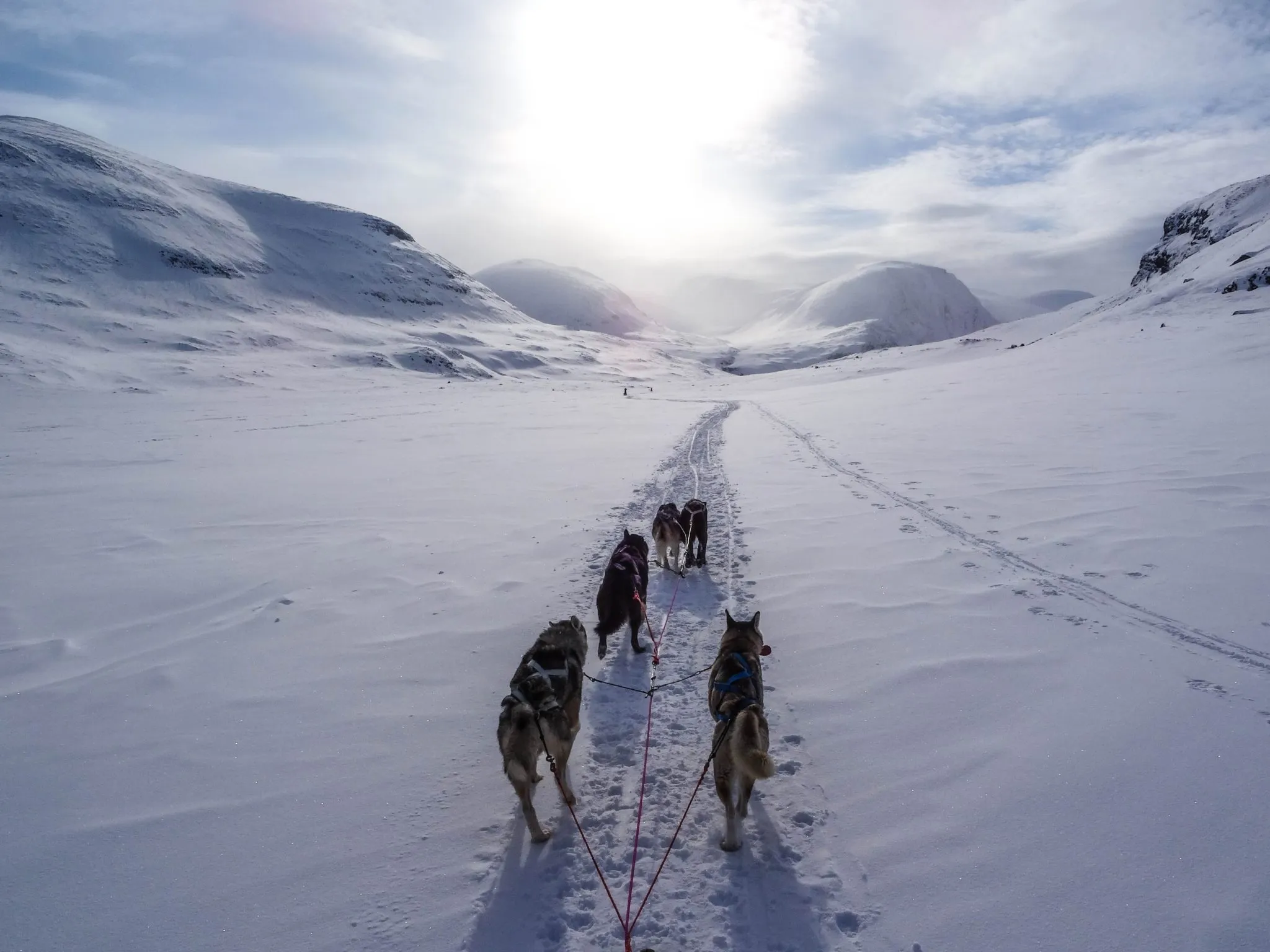 Sled dogs pulling on leash
Learning not to pull on the leash is one of the most challenging behaviors for dogs to master, as they aren’t born with an innate understanding of polite walking etiquette. Loose leash walking is a common concern for many dog owners, and the frustration of being constantly pulled is palpable. Using positive methods only, every dog can transform into an enjoyable walking partner. Aversive tools like choke chains or shock collars are unnecessary and harmful; if you wouldn’t use such methods on a child, they have no place in dog training.
Misconceptions about dominance and control often lead to incorrect advice, suggesting that a dog’s pulling is a sign of asserting authority. This couldn’t be further from the truth. Pulling simply indicates that a dog hasn’t been taught boundaries and is more captivated by their surroundings than by their handler. It is our responsibility as owners to guide our dogs and teach them our expectations for walks. Unfortunately, these myths have led some owners to punish their dogs for pulling, creating a negative training experience. As a positive trainer, I advocate for training methods that focus on teaching dogs what we do want, rather than punishing them for what we don’t. This comprehensive guide will provide you with all the knowledge needed to teach your dog to walk politely on a leash, ensuring that every walk is a bonding experience.
Why Dogs Pull on Leash
Contrary to popular belief, a dog pulling on the leash has nothing to do with dominance, control, or malice. The reasons are far simpler and often stem from a combination of factors:
Insufficient Exercise
Many dogs, especially certain breeds, are not adequately exercised, leading to a surplus of pent-up energy. A short ~30-minute walk may not be enough to meet their physical needs, making it unreasonable to expect them to walk calmly. Before embarking on loose leash training, ensure your dog has had ample opportunity to burn off energy through activities like running, playing fetch, or visiting a dog park. If time is a constraint, consider hiring a dog walker or utilizing doggy daycare. Responsible dog ownership includes meeting your dog’s breed-specific exercise requirements.
Humans Are Slow
Naturally, most dogs move at a faster pace than humans. Imagine trying to walk with a turtle; you’d eventually want to speed up. To dogs, our natural walking pace can feel like a slow crawl. It’s important to be empathetic to the effort it takes for your dog to moderate their speed and understand that this requires conscious effort on their part.
The Allure of the Outside World
The sights and smells of the outdoors are incredibly stimulating for dogs, who possess a vastly superior sense of smell compared to humans. Dogs have approximately 50 times more scent receptors and 40 times more brain space dedicated to processing smells. What appears as a simple patch of grass to us is a rich tapestry of information for a dog. Pulling towards interesting scents has been inadvertently rewarded for years, making it crucial to introduce new, more compelling rewards during training.
How Dogs Learn and Training Options
Dogs learn through two primary methods: positive reinforcement, where desired behaviors are rewarded, and punishment, where undesirable behaviors are discouraged. As positive trainers, our responsibility is to teach dogs what we want them to do, fostering a less stressful learning environment than methods that rely on punishment until the dog “guesses” correctly.
Training should begin in an environment with minimal distractions, such as inside the home, to set your dog up for success. The context in which a behavior is asked significantly impacts a dog’s ability to perform. Just as you could recite the ABCs silently in your head but might struggle to sing them on a stage in front of thousands, dogs perform differently in varying environments. It is unfair and ineffective to punish a dog for not meeting expectations in a highly distracting setting without gradually acclimating them. Positive reinforcement requires opportunities for reward, which are abundant in low-distraction environments. Slowly increase the difficulty, allowing your dog to build confidence and understanding.
Essential Skills to Teach Before Loose Leash Walking
Mastering these foundational skills will significantly ease the process of teaching loose leash walking and prevent frustration for both you and your dog:
Sit
A fundamental obedience command, “Sit” is invaluable for managing your dog during transitions or as a brief pause in distracting environments. Learn how to teach your dog to sit.
Focus
The “Focus” command teaches your dog to check in with you, strengthening your bond and communication. This is crucial for redirecting your dog’s attention in distracting situations. Discover how to teach focus.
Leave It
“Leave It” is a critical command that can prevent your dog from ingesting harmful substances and is highly useful during training. It teaches your dog to disengage from something enticing in exchange for a greater reward. Master the “Leave It” command.
Practice these skills for several days before introducing loose leash walking to ensure your dog has a solid understanding.
Heeling vs. Loose Leash Walking
It’s important to distinguish between heeling and loose leash walking, as they serve different purposes:
Heeling
Heeling involves the dog walking precisely at your side, matching your pace without falling behind or moving ahead of your knee. This is a more structured exercise, ideal for maintaining strict boundaries and expectations, especially in highly distracting environments. While valuable, it’s best not to maintain a strict heel for the entirety of a walk. Watch a demonstration of heeling.
Loose Leash Walking
Loose leash walking allows your dog more freedom, enabling them to sniff and explore within the length of a 6 ft leash. This is about maintaining a relaxed leash with no tension, allowing your dog to be a dog while still being polite. Retractable leashes are strongly advised against as they hinder proper training. The goal is for neither you nor your dog to be pulling the other. See loose leash walking in action.
Positive Reinforcement Training for Heeling and Loose Leash Walking
Teaching your dog to walk nicely on a leash requires patience and consistency. The key is to create positive associations with being close to you and paying attention during walks. While treats are essential initially, they can be gradually phased out as your dog solidifies their understanding.
Key Principles for Success:
- Gradual Progression: Introduce distractions slowly. It may take time to transition from training walks to regular walks.
- Consistency is Crucial: Once you begin training, pulling should never be rewarded. If pulling leads to a desired scent or location, it reinforces the behavior. Commit to stopping pulling entirely.
- Start in a Low-Distraction Environment: Begin indoors to maximize opportunities for rewarding correct behavior.
- Lavish Rewards: Use treats generously to reinforce your dog’s efforts. Adjust meal portions to compensate for the extra treats given during training.
Teaching Your Dog to Heel
- Preparation: Have your dog sit on your left side, leash loose, with treats in your left hand.
- Movement Cue: Choose a phrase like “Let’s go!”
- Engagement: Ask your dog to focus on you and reward them.
- Begin Walking: Say “Let’s go!” and use a treat lure to guide your dog to your side. Take a few steps, then reward. Introduce the word “heel” as you progress.
- Increase Steps: Gradually work up to 10 steps, then move to the yard, and eventually to quieter outdoor areas, always rewarding successful steps.
- Phase Out Lure: Once proficient, stop using the lure and reward for maintaining position.
- Manage Deviations: If your dog sniffs or pulls, use “leave it” and gentle leash pressure to guide them back. If they pull ahead, change direction, rewarding them for following.
Teaching Your Dog to Loose Leash Walk
- Transition: After mastering heeling, have your dog sit, say “Let’s go,” followed by “Ok!” and point forward.
- Allow Exploration: Let your dog move away from you. Allow sniffing breaks, but use their name and a cue like “Let’s go” or “Leave it” to encourage them to move on, rewarding them when they do.
- Practice Transitions: Smoothly transition between heeling and loose leash walking, using a sit command as a reset point if needed.
- Maintain No-Pulling Policy: Ensure pulling never results in reaching a desired sniff spot. Dogs earn freedom through polite walking.
- Encourage Check-ins: Reward your dog for looking at you voluntarily.
- Watch for Cues: Observe your dog’s body language for signs they might pull (e.g., locked gaze, lowered ears) and preemptively change direction with a “Let’s go!” cue.
- Manage Distractions: Increase distance from distractions or use focus exercises if your dog becomes overwhelmed.
- Gradually Increase Difficulty: Slowly increase the duration and distraction level of loose leash walks as your dog succeeds.
With patience and consistent positive reinforcement, you and your dog can both enjoy relaxing and fulfilling walks together.
