
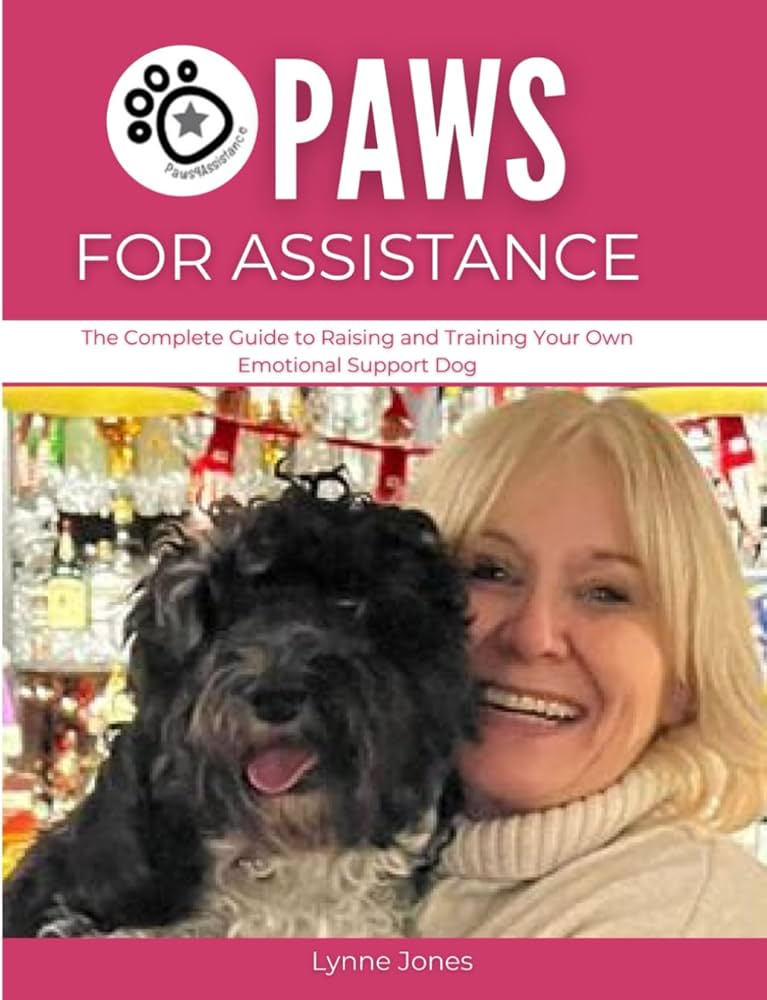
Bringing an emotional support dog into your life can be a transformative experience, offering comfort, companionship, and a sense of stability. While these dogs don’t require the same level of specialized training as service dogs, proper training is crucial for them to be well-behaved companions and for you to fully benefit from their presence. This guide will walk you through the essentials of training an emotional support dog, ensuring a harmonious relationship.
Understanding the role of an emotional support dog is the first step. Unlike service dogs, ESAs are not trained to perform specific tasks for individuals with disabilities. Instead, their mere presence provides therapeutic benefits to their handlers. However, this doesn’t mean they can’t be trained. A well-trained ESA is a joy to have, able to navigate public spaces, interact politely with others, and be a calm presence in your home. The process of training an emotional support dog can also be a therapeutic journey in itself, strengthening the bond between you and your canine companion.
Why Train Your Emotional Support Dog?
Many people wonder if training is truly necessary for an ESA. The answer is a resounding yes. While ESAs offer comfort simply by being with you, proper training ensures they are not a burden to you or others. A trained emotional support dog is a well-mannered companion that can accompany you more places without causing disruption. This training can also help alleviate anxiety for both the dog and the owner, knowing that your dog is well-behaved and under control.
- Improved Behavior: Basic obedience training, such as “sit,” “stay,” and “come,” is fundamental for any dog, including ESAs. This prevents unwanted behaviors like jumping on people, excessive barking, or destructive chewing.
- Public Access: While ESAs don’t have the same public access rights as service dogs, a well-behaved ESA is more likely to be welcomed in various settings. Training helps them remain calm and non-disruptive in public.
- Stronger Bond: The training process itself is a fantastic way to build a deeper connection with your dog. Through positive reinforcement and consistent practice, you and your ESA will develop a mutual understanding and trust.
- Owner’s Well-being: For some individuals, the routine and responsibility of training can be grounding and provide a sense of purpose, further enhancing the therapeutic benefits of having an ESA.
- Safety: Basic commands like “leave it” can be crucial for your dog’s safety, preventing them from ingesting harmful substances.
Essential Training Components for Your ESA
When embarking on the journey of how to train an emotional support dog, focus on a few key areas. The goal is to create a confident, well-adjusted dog that enhances your life.
1. Basic Obedience: The Foundation
This is non-negotiable for any dog, and your ESA is no exception. Start with the fundamentals:
- Sit: Teach your dog to sit on command. This is a great way to get their attention and calm them down.
- Stay: This command is vital for safety and control, especially in public. Start with short durations and gradually increase the time and distance.
- Come: A reliable recall is arguably the most important command for safety. Always reward your dog generously when they come to you.
- Down: Similar to “stay,” this command helps in managing your dog’s energy and keeping them calm.
- Leave It: This command can prevent your dog from picking up potentially dangerous items.
Consistency and positive reinforcement are key. Use treats, praise, and toys to reward desired behaviors. Avoid punishment, as it can create fear and anxiety, counteracting the purpose of an ESA.
2. Socialization: Building Confidence
Proper socialization is crucial for an ESA to be comfortable and well-behaved in various environments. Expose your dog to different sights, sounds, people, and other animals in a controlled and positive way, especially during their puppyhood.
- People: Introduce your dog to people of all ages, appearances, and backgrounds. Ensure these interactions are positive and not overwhelming.
- Environments: Take your dog to parks, quiet streets, pet-friendly stores (where permitted), and even car rides. Gradually expose them to busier environments as they gain confidence.
- Other Animals: Allow supervised interactions with other well-behaved, vaccinated dogs. This helps them learn appropriate social cues.
Socialization doesn’t stop after puppyhood; it’s an ongoing process. Continuing to introduce your dog to new experiences will help them remain a well-adjusted companion throughout their life.
3. House Training and Crate Training
- House Training: This involves establishing a consistent potty routine. Take your dog out frequently, especially after waking up, eating, and playing. Reward them immediately when they eliminate outside. Accidents will happen, but remain patient and clean them up thoroughly without scolding.
- Crate Training: A crate can be a valuable tool. It provides a safe den for your dog and aids in house training by leveraging their natural instinct not to soil their sleeping area. Make the crate a positive place by feeding meals inside, providing comfortable bedding, and never using it for punishment.
4. Leash Training
An ESA that pulls constantly on the leash can be a source of stress. Teach your dog to walk calmly beside you. Start in a quiet area, rewarding your dog for walking with a loose leash. If they pull, stop walking until the leash slackens, then continue. This teaches them that pulling stops the walk, while a loose leash allows them to move forward.
Advanced Training and Specific Needs
While basic obedience is essential, you might consider additional training based on your specific needs and your dog’s capabilities. This is where understanding how do you train an emotional support dog for anxiety or other specific therapeutic needs becomes important.
Addressing Anxiety and Fear
If your ESA is intended to help with anxiety, you can incorporate training that reinforces their calming presence.
- Desensitization and Counter-Conditioning: If certain triggers cause your dog anxiety (e.g., loud noises, specific objects), you can gradually expose them to these triggers at a low intensity while pairing them with positive experiences (treats, praise). This helps change their emotional response from fear to a more positive or neutral one.
- Calming Signals: Learn to recognize your dog’s calming signals (e.g., lip licking, yawning when not tired) and respond appropriately by giving them space or reducing the stressful stimulus. You can also teach them a “settle” or “place” command to go to a designated spot and relax.
Preventing Problem Behaviors
Proactive training can prevent common behavioral issues:
- Nipping and Biting: Especially important for puppies, teach bite inhibition by yelping loudly when they nip too hard, then temporarily withdrawing attention. Redirecting to appropriate chew toys is also effective.
- Barking: Understand the reason for barking (alert, boredom, anxiety) and address the root cause. For alert barking, teach a “quiet” command. For boredom, ensure sufficient physical and mental stimulation.
- Destructive Chewing: Provide plenty of appropriate chew toys and redirect your dog to these when they start chewing on forbidden items. Ensure they have enough exercise and mental stimulation to prevent boredom-related destruction.
How to Train Your Emotional Support Dog: A Step-by-Step Approach
The most effective training methods rely on positive reinforcement. This involves rewarding your dog for desired behaviors, making training a fun and rewarding experience for both of you.
- Set Clear Goals: Decide what commands and behaviors are most important for your ESA. Focus on mastering a few basics before moving to more complex actions.
- Positive Reinforcement: Use high-value treats, enthusiastic praise, and favorite toys as rewards. Timing is crucial; reward your dog immediately after they perform the desired behavior.
- Keep Sessions Short and Fun: Dogs, especially puppies, have short attention spans. Aim for multiple short training sessions (5-10 minutes) throughout the day rather than one long one.
- Be Consistent: Everyone in the household should use the same commands and reward system. Consistency helps your dog understand expectations.
- For instance, if you’re teaching “down,” ensure everyone uses the same hand signal and verbal cue, and consistently rewards the dog when they lie down.
- Gradually Increase Difficulty: Once your dog masters a command in a quiet environment, practice in increasingly distracting settings. This process, known as generalization, helps them perform reliably anywhere.
- Troubleshooting: If your dog struggles with a command, break it down into smaller steps. Assess if the reward is motivating enough or if the environment is too distracting. Patience is paramount.
- Celebrate Successes: Acknowledge and celebrate every milestone, no matter how small. This keeps both you and your dog motivated.
Finding Support: Emotional Support Dog Training Near Me
While many owners successfully train their ESAs at home, seeking professional guidance can be incredibly beneficial. Look for trainers experienced in positive reinforcement methods.
- Local Trainers: Search online for “emotional support dog training near me” or “positive reinforcement dog trainer.” Many trainers offer private lessons or group classes.
- Online Resources: Numerous reputable websites and video platforms offer free training tutorials. However, ensure the advice aligns with positive, science-based methods.
- Veterinarian and Support Groups: Your veterinarian can offer advice on training and behavior, and connecting with local or online ESA support groups can provide valuable peer advice and resources.
The Emotional Support Dog Training Journey
Training an emotional support dog is a journey of building a partnership. It requires patience, consistency, and a commitment to positive methods. By investing time in training, you’re not just teaching your dog commands; you’re fostering a deeper bond, ensuring their well-being, and maximizing the therapeutic benefits they bring to your life. A well-trained ESA is more than just a pet; they are a trusted companion, a source of comfort, and a vital part of your support system. Remember, the goal is to create a happy, confident, and well-behaved dog that enriches your life every day.
