
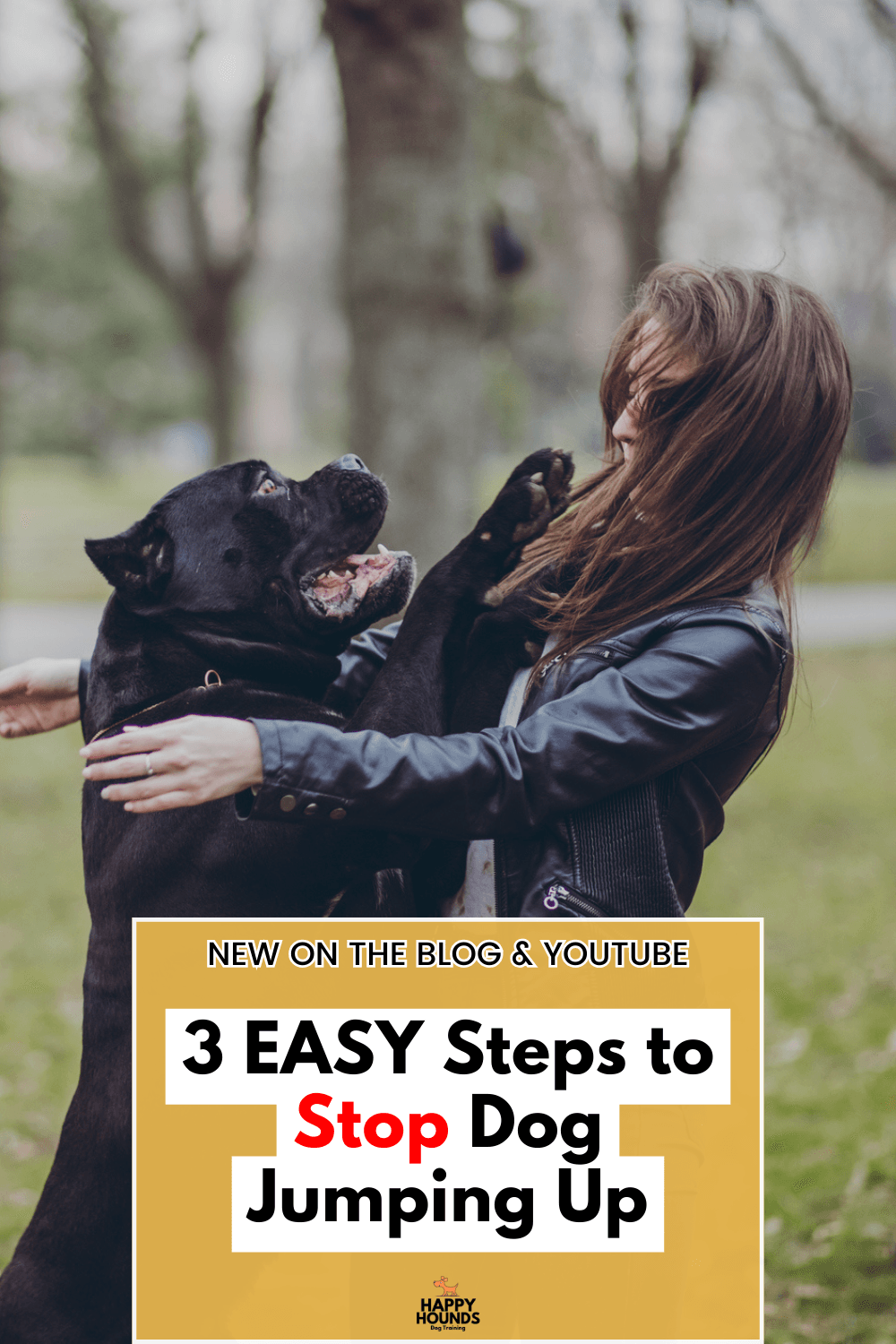
Dogs are enthusiastic creatures, and one of their most common exuberant greetings is jumping up. While it stems from a place of excitement and affection, it can be overwhelming and even unsafe for guests and handlers. This guide will delve into the reasons behind this behavior and provide effective, humane strategies to Train Dogs Not To Jump. Understanding the root causes is the first step to fostering a well-behaved canine companion who greets everyone with all four paws on the floor.
Why Do Dogs Jump?
Understanding the motivation behind your dog’s jumping behavior is crucial for effective training. It’s rarely out of malice, but rather a combination of instinct, learned behavior, and miscommunication.
Instinctive Greetings
In their natural social structure, dogs often greet each other with a series of behaviors, including sniffing and nudging, which can sometimes involve jumping to reach the face of a higher-ranking dog. They may be trying to replicate this familiar greeting with their human family and visitors.
Seeking Attention
For many dogs, jumping is a learned behavior that has been inadvertently reinforced. If your dog jumps up and you react – even by pushing them away or yelling – they perceive that as attention. For a dog, any attention is better than none, so they continue the behavior, believing it’s an effective way to engage with you.
Excitement and Overstimulation
Dogs can become easily overexcited, especially during greetings or when anticipating a fun activity like a walk or playtime. This heightened state of arousal can manifest as jumping, along with other boisterous behaviors. They haven’t yet learned to manage their excitement levels in a calm manner.
Lack of Training and Boundaries
Simply put, some dogs jump because they haven’t been taught that it’s not an acceptable behavior. Without clear boundaries and consistent training, they may not understand that jumping is undesirable. Providing clear guidance on how to greet people appropriately is essential.
Effective Strategies to Train Dogs Not to Jump
Training your dog not to jump requires patience, consistency, and a positive reinforcement approach. The goal is to teach your dog an alternative, acceptable behavior for greeting.
The “Off” Command and Ignoring the Jump
This is a fundamental technique. When your dog jumps, immediately say “Off” in a firm but calm voice and gently guide them back to all fours.
- Stand Still: Do not push your dog away or engage with them while they are jumping.
- Turn Away: If they continue to jump, turn your back to them. This signifies that their jumping is preventing them from getting what they want – your attention.
- Reward Calmness: The instant all four paws are on the floor, turn back and calmly praise or reward your dog. This could be a gentle pat, a quiet “good boy/girl,” or a small, high-value treat.
- Consistency is Key: Every single person who interacts with your dog must follow this rule. Inconsistency will confuse your dog and prolong the training process.
Teaching an Alternative Behavior: “Sit” for Greetings
Instead of just stopping the jumping, it’s more effective to teach your dog what you want them to do. The “sit” command is an excellent alternative for greetings.
- Practice “Sit”: Ensure your dog has a solid “sit” command in various environments.
- Controlled Greetings: When you or a guest approaches, ask your dog to “sit.”
- Reward the Sit: If your dog sits, reward them immediately with praise and a treat. They should learn that sitting is the way to receive attention.
- Manage the Environment: If your dog struggles to sit during greetings, you can use a leash to help manage their proximity. Ask guests to only approach and pet the dog after they are sitting calmly.
- Gradual Release: Once your dog is comfortable sitting for greetings, you can gradually phase out the leash and have them sit as a default greeting behavior.
Managing Excitement Levels
For highly energetic dogs, managing their overall excitement is as important as specific greeting training.
- Exercise: Ensure your dog gets enough physical and mental stimulation daily. A tired dog is a well-behaved dog.
- Calm Down Rituals: Before engaging in exciting activities like walks, teach your dog a “settle” or “wait” command.
- Enforce Calmness: Reward calm behavior throughout the day, not just during greetings. This reinforces the idea that calmness is valued.
Socialization and Controlled Introductions
Proper socialization from a young age is vital. However, even adult dogs can benefit from controlled social interactions.
- Positive Experiences: Ensure your dog has many positive experiences with different people, environments, and other well-behaved dogs.
- Controlled Introductions: When introducing your dog to new people, keep the initial interaction calm. Have the person ignore the dog until the dog is calm, or even ask the dog to sit before engaging.
Advanced Training Techniques and Considerations
As your dog progresses, you might encounter specific challenges or want to refine their behavior further.
Using a Leash for Control
During the initial training phases, keeping your dog on a leash when guests arrive can be very helpful. This allows you to gently guide them into a sit or prevent them from jumping up before they even have the chance.
Desensitization to Triggers
If your dog jumps specifically when the doorbell rings or when people enter the house, you can use desensitization and counter-conditioning.
- Ring the Bell: Have someone ring the doorbell or knock.
- Ignore: Do not let your dog rush the door. Keep them with you.
- Reward Calmness: If they remain calm, reward them. If they get excited, you may need to practice with less intense triggers or increase the distance.
- Controlled Entry: Once the dog is calmer, then allow them to greet the person, ideally after a “sit.”
What NOT to Do
Certain methods can be counterproductive or even harmful.
- Kneeing the Dog: While sometimes suggested, this can be painful and frightening for a dog, potentially leading to fear or aggression. It doesn’t teach them what to do, only what not to do, often through punishment.
- Yelling or Harsh Punishment: This can create anxiety and fear, damaging your bond with your dog. It rarely addresses the underlying cause of the jumping.
- Inconsistency: This is the most common training pitfall. If one person allows jumping and another corrects it, the dog will become confused and the training will be ineffective.
When to Seek Professional Help
Most jumping behaviors can be addressed with consistent training at home. However, if you’re struggling or if your dog’s jumping is accompanied by other behavioral issues like aggression, fear, or extreme anxiety, it’s time to consult a professional.
A certified professional dog trainer or a veterinary behaviorist can assess your dog’s specific situation and provide tailored guidance. They can help identify underlying issues, develop a customized training plan, and ensure the safety and well-being of both you and your dog. Remember, seeking help is a sign of responsible pet ownership.
The Benefits of a Well-Trained Dog
Teaching your dog not to jump goes beyond just preventing an annoying habit. It fosters a deeper understanding and respect between you and your canine companion. A dog who can greet visitors calmly is a joy to have around, making social interactions more pleasant and safe for everyone. This training reinforces your leadership and your dog’s ability to trust your guidance, leading to a happier, more harmonious relationship. The effort invested in training your dog not to jump is a significant step towards building a strong, lasting bond based on clear communication and mutual respect.
