
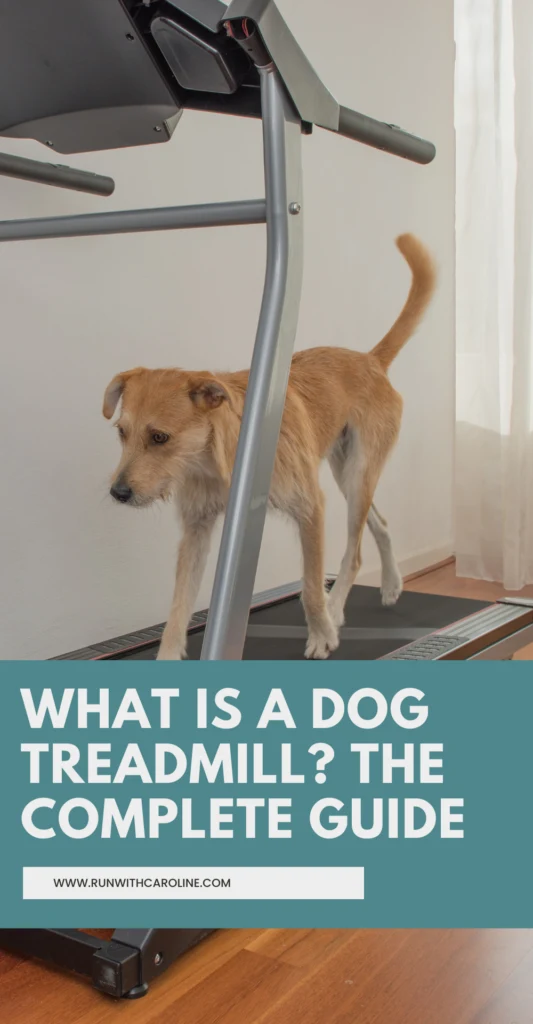
Treadmills aren’t just for humans anymore! For dog owners, especially those living in areas with extreme weather or limited outdoor space, a dog treadmill can be a fantastic tool for exercise and mental stimulation. However, introducing your dog to a treadmill requires patience, positive reinforcement, and a clear understanding of their needs. This guide will walk you through the process of training your dog to confidently and safely use a treadmill, transforming it from a daunting machine into a fun way to burn energy.
Why Consider a Treadmill for Your Dog?
Before diving into training, it’s worth understanding the benefits a treadmill can offer. Dogs, especially energetic breeds, require regular physical activity to maintain a healthy weight, strong muscles, and a balanced temperament. When outdoor walks are limited due to:
- Inclement Weather: Heavy rain, snow, extreme heat, or icy conditions can make outdoor exercise unsafe or unpleasant.
- Limited Space: Apartment dwellers or those with small yards might struggle to provide sufficient running space.
- Physical Limitations: Older dogs or those recovering from injuries might benefit from controlled, low-impact exercise on a treadmill.
- Behavioral Issues: Insufficient exercise can lead to boredom, anxiety, and destructive behaviors in dogs. A treadmill can help alleviate these issues by providing a consistent outlet for pent-up energy.
- Specific Training Goals: For dogs involved in canine sports or those needing to build stamina, a treadmill offers a controlled environment to progressively increase their fitness.
It’s crucial to remember that a treadmill is a supplement to, not a replacement for, outdoor exercise and mental enrichment. The sights, sounds, and smells of the outdoors are vital for a dog’s well-being.
Choosing the Right Treadmill for Your Canine Companion
Not all treadmills are created equal when it comes to canine use. Here are key features to consider:
- Size: The treadmill should be long and wide enough for your dog to walk and trot comfortably without feeling cramped. Their entire body, including their tail, should fit on the belt.
- Speed and Incline: Look for a treadmill with adjustable speed settings, starting from very slow. An incline feature can add an extra challenge but should be introduced gradually.
- Safety Features: Auto-stop mechanisms, emergency shut-offs, and a sturdy build are paramount. Some dog-specific treadmills have taller side panels for added security.
- Noise Level: A quieter treadmill is less likely to startle or intimidate your dog.
- Surface Grip: The treadmill belt should offer good traction to prevent slips.
The Training Process: A Step-by-Step Approach
Training a dog to use a treadmill is a marathon, not a sprint. Patience and positive reinforcement are your best tools. Always end training sessions on a positive note, even if it’s just for a few seconds of successful interaction.
Step 1: Introduction and Familiarization
The goal here is to make the treadmill a non-threatening object.
- Place the Treadmill: Set up the treadmill in a quiet area where your dog feels comfortable. Ensure it’s turned OFF.
- Positive Association: Let your dog explore the treadmill at their own pace. Offer high-value treats and praise simply for being near it. You can place treats on the stationary belt.
- Leash Introduction: Once your dog is comfortable, attach their leash. Stand beside the treadmill, keeping the leash loose. Reward calm behavior.
- Gentle Luring: With the treadmill still off, use a favorite toy or treat to lure your dog onto the belt. Reward them for putting one paw on, then two, and eventually all four. Keep initial sessions very short.
Step 2: Introducing Movement (Treadmill OFF)
- Walking On and Off: Once your dog is comfortable standing on the stationary belt, practice walking them on and off. Use verbal cues like “On” and “Off.” Reward generously each time they step on and off.
- Short Durations: Gradually increase the time they spend on the stationary belt. You can even practice walking them around the treadmill while it’s off, reinforcing the idea that it’s a normal part of their environment.
Step 3: Introducing Slow Movement (Treadmill ON)
This is a critical stage. Start with the lowest speed setting.
- Lowest Speed: Turn the treadmill on to its absolute slowest setting. Your dog should still be on leash, with you beside them.
- Lure Onto Moving Belt: Gently lure your dog onto the moving belt. They might be hesitant, which is perfectly normal. Reward any progress. If they jump off immediately, that’s okay; simply try again for a shorter duration.
- Short Bursts: Aim for just a few seconds of walking at first. As soon as they take a few steps, turn the treadmill off and reward them.
- Gradual Increase: Slowly increase the duration of these short walks. Aim for 30 seconds, then a minute, and so on. Always keep the speed very low. The focus is on getting them comfortable with the sensation of moving underfoot.
- Verbal Encouragement: Use a calm, encouraging voice. “Good job,” “You’re doing great,” etc.
Step 4: Increasing Speed and Duration
Once your dog is consistently walking on the treadmill at the lowest speed without significant hesitation, you can start to gradually increase the speed and duration.
- Slight Speed Increase: Increase the speed incrementally, only when your dog seems comfortable at the current setting. Many dogs will naturally transition from a walk to a trot as the speed increases.
- Longer Sessions: Aim for longer periods of walking or trotting. Start with 5-minute sessions and gradually build up to 10-15 minutes or more, depending on your dog’s breed, age, and fitness level.
- Consistency is Key: Aim for regular sessions, perhaps a few times a week. Consistency helps your dog build confidence and endurance.
Step 5: Introducing Incline (Optional)
If your treadmill has an incline feature and you wish to use it, introduce it very gradually after your dog is fully comfortable with flat-surface treadmill walking.
- Minimal Incline: Start with the lowest possible incline setting.
- Short Duration: Keep sessions brief when using an incline.
- Monitor Closely: Watch for any signs of fatigue, discomfort, or difficulty.
Handling Challenges and Common Issues
- Fear and Hesitation: If your dog is very fearful, go back a step. Spend more time on familiarization and positive association. Never force them onto the treadmill.
- Jumping Off: This often happens if the speed is too high too soon, or if the dog is anxious. Slow down, shorten sessions, and increase rewards.
- Not Walking Forward: Some dogs may try to stand still or walk backward. Use gentle leash guidance and treats to encourage forward motion. If they consistently refuse, the treadmill might not be the right fit for them.
- Overheating or Fatigue: Watch for signs like excessive panting, lagging behind, or wanting to lie down. Always ensure proper hydration and never overexert your dog. For those interested in canine conditioning, exploring dog muscle training equipment might offer alternative or complementary options.
Safety First: Essential Precautions
- Never Leave Unattended: Always supervise your dog when they are on the treadmill, even if it’s off.
- Appropriate Harness/Collar: Use a comfortable, well-fitting harness rather than a collar, as a sudden stop could cause neck injury.
- Know Your Dog: Understand your dog’s breed predispositions, age, and health status. Consult your veterinarian before starting any new exercise program, especially if your dog has pre-existing health conditions.
- Hydration: Keep fresh water available before and after sessions.
- Post-Exercise Cool-Down: Allow your dog a few minutes of calm walking or stretching after their treadmill session.
Alternative and Complementary Exercises
While treadmills are effective, they aren’t the only way to keep your dog fit. Consider these options:
- Ramp Training: For dogs who might struggle with the height of a treadmill, learning how to train a dog to use a ramp can be a gentler introduction to incline and controlled movement exercises.
- Agility Training: This engages a dog’s body and mind, building confidence and coordination.
- Interactive Toys: Puzzle feeders and treat-dispensing toys provide mental stimulation that can be as tiring as physical exercise.
- Puzzle Mats and Snuffle Mats: These encourage natural foraging behaviors and can keep your dog occupied and mentally engaged.
- Nose Work Games: Hiding treats around the house or yard taps into your dog’s powerful sense of smell.
When rewarding your dog for their efforts, consider using low calorie dog treats for training to help manage their overall calorie intake.
Conclusion: A Rewarding Training Journey
Training your dog to walk on a treadmill can be a deeply rewarding experience, strengthening your bond and providing your canine companion with a valuable outlet for their energy. By approaching the process with patience, consistency, and a focus on positive reinforcement, you can help your dog master this skill, leading to a happier, healthier, and more well-behaved pet. Remember, every dog is an individual, and their journey with the treadmill will be unique. Celebrate small victories, stay positive, and enjoy the process of discovery with your beloved dog.
