
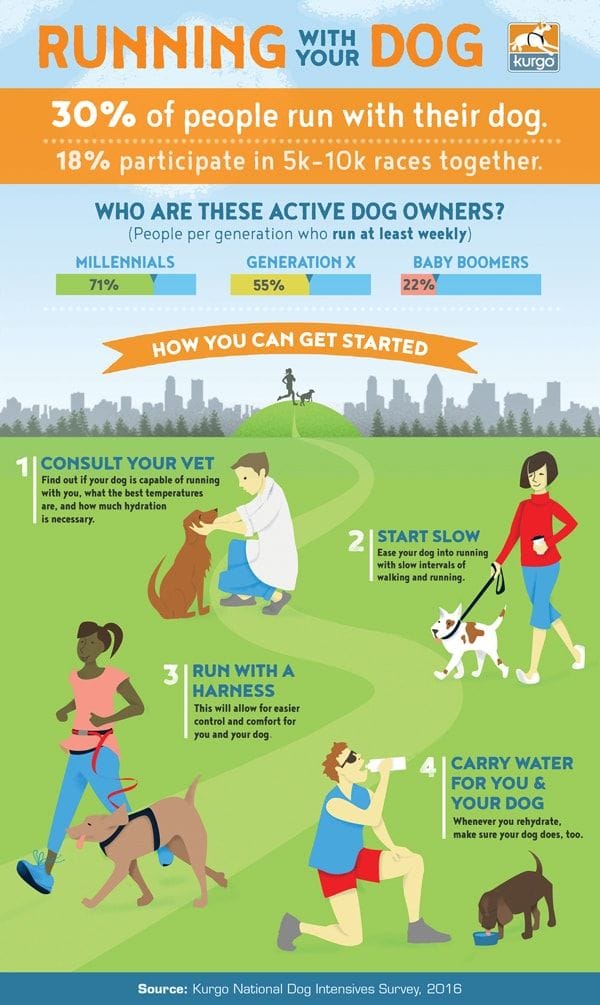
Embarking on a running journey with your canine companion can be an incredibly rewarding experience, strengthening your bond and boosting both your physical and mental well-being. However, simply attaching a leash and hitting the pavement isn’t always the best approach. Properly training your dog to run with you ensures safety, enjoyment, and a harmonious partnership. This guide will walk you through the essential steps to get you and your furry friend running together, covering everything from basic obedience to advanced techniques for more experienced duos.
Understanding the Fundamentals of Running with Your Dog
Before you even think about lacing up your running shoes, it’s crucial to assess your dog’s readiness and lay a solid foundation of basic training. Not all dogs are built for running, and even those who are will benefit immensely from a structured approach.
Is Your Dog Ready to Run?
Several factors determine if your dog is physically and mentally prepared for running:
- Age and Breed: Puppies, especially those of large breeds, have developing joints that can be permanently damaged by strenuous activity like running. It’s generally recommended to wait until a puppy is at least 12-18 months old, depending on breed size and individual development. Some breeds, like Greyhounds or Vizslas, are naturally athletic and may take to running more easily, while brachycephalic (short-nosed) breeds like Pugs or Bulldogs may struggle with respiratory issues and are not suited for intense running.
- Health: A veterinary check-up is paramount. Your vet can assess your dog’s overall health, check for any underlying conditions (like hip dysplasia or heart murmurs), and advise on the appropriate intensity and duration of exercise.
- Temperament and Energy Level: A dog with a naturally high energy level and a good temperament will likely enjoy running more. An anxious or easily distracted dog might require more intensive desensitization and training.
Essential Basic Obedience Skills
A well-behaved dog is a safe dog, especially when running in public spaces. Before you embark on your first run, ensure your dog has mastered these fundamental commands:
- “Sit” and “Stay”: Crucial for controlled starts and stops, and for waiting at intersections.
- “Heel” or “Leave It”: Essential for preventing your dog from darting after squirrels, other dogs, or discarded items on the trail.
- “Come”: A lifesaver if your dog ever slips its leash.
- Leash Manners: Your dog should walk calmly on a leash without pulling. If your dog pulls during walks, it will undoubtedly pull during runs, which can be dangerous and uncomfortable for both of you.
Phased Approach to Training Your Dog to Run with You
The key to successful running integration is patience and a gradual progression. Don’t rush the process; focus on building positive associations and ensuring your dog is comfortable and confident every step of the way.
Phase 1: Introducing the Leash and Running Gear
Comfort is key. Ensure your dog is comfortable wearing the gear they’ll use for running.
- Choosing the Right Gear:
- Collar vs. Harness: For running, a well-fitted harness is often preferred over a collar. It distributes pressure more evenly across the chest and back, reducing the risk of neck injury. Look for a no-pull harness or a front-clip harness, which can help manage pulling.
- Leash: A standard 6-foot leash is generally recommended. Avoid retractable leashes, as they offer less control and can be dangerous.
- Running Belt/Hands-Free Leash: If you plan on longer runs, a running belt that attaches to the leash can free up your hands, providing better balance and comfort.
- Acclimation: Let your dog wear the harness and leash for short periods during daily activities. Offer praise and treats to create positive associations. Ensure the fit is snug but not restrictive, allowing for normal movement and breathing.
Phase 2: Building Up Walking and Jogging Intervals
This phase focuses on gradually increasing the duration and intensity of your outings, starting with brisk walks and introducing short jogging intervals.
- Start with Brisk Walks: Begin by taking your dog on brisk walks, similar to their normal pace but slightly more energetic. This helps them get used to moving with purpose while still on leash.
- Introduce Short Jogging Bursts: Once your dog is comfortable with brisk walks, start incorporating very short jogging intervals – perhaps 30-60 seconds. Use a command like “Run” or “Let’s go” to signal the transition. Immediately follow with a walk or a “Walk” command.
- Gradually Increase Jogging Time: Over subsequent outings, slowly increase the duration of the jogging intervals and decrease the walking intervals. Aim for a pace that is comfortable for both of you. Pay close attention to your dog’s signals.
- Watch for Fatigue: Signs of fatigue include excessive panting, lagging behind, stumbling, or a decreased willingness to move. If you notice these, stop and walk, or even end the session. It’s better to cut a session short than to push your dog too hard.
Phase 3: Establishing a Running Routine
As your dog becomes more accustomed to jogging, you can start to establish a more consistent running routine. This involves setting a regular schedule and increasing the distance and duration of your runs.
- Consistency is Key: Aim for regular running sessions, but also listen to your dog’s needs. If they seem tired or less enthusiastic, a rest day or a lighter activity might be in order.
- Increase Distance and Duration Slowly: Once your dog can comfortably jog for 15-20 minutes, you can begin to gradually increase the distance or duration of your runs. A general rule of thumb is to not increase your weekly mileage by more than 10% at a time.
- Vary Your Routes: Exploring different parks, trails, or neighborhoods keeps things interesting for both you and your dog. Be mindful of different terrains; softer surfaces like grass or dirt trails are generally easier on your dog’s joints than asphalt.
- Hydration: For longer runs, especially in warm weather, carry water for both yourself and your dog. Many portable dog water bottles are available.
Advanced Training and Troubleshooting
Even with the best preparation, you might encounter challenges. Here’s how to address some common issues and elevate your running partnership.
Addressing Common Issues
- Pulling: If your dog consistently pulls, revisit basic leash training. Practice the “heel” command during walks and runs. When your dog pulls, stop walking. Only resume when the leash is slack. Reward slack leash walking with praise and treats. Consider a front-clip harness if this persists. This is similar to how to train a dog to run with you when they are eager to lead.
- Distractibility: If your dog is easily distracted by squirrels, other dogs, or people, work on the “leave it” and “look at me” commands. Start in less distracting environments and gradually move to busier areas. If distractions are too much, consider practicing on a quiet trail or early in the morning. Preventing a stop dog running out door when excited often translates to better focus outdoors.
- Refusal to Run: If your dog suddenly refuses to run, it could be a sign of fatigue, injury, or an underlying health issue. Check for limping or soreness. If no physical cause is apparent, the refusal might stem from fear or anxiety. Go back to shorter intervals and positive reinforcement. Ensure you train dog not to run away from you, which builds trust.
- Panting Excessively: Overheating and overexertion are serious concerns. If your dog is panting heavily, slow down or stop. Avoid running during the hottest parts of the day, and consider running in cooler weather or on shaded trails.
Training Your Dog to Run with You Safely
Safety should always be your top priority.
- Controlled Starts and Stops: Use commands like “Ready, set, go!” to start and “Whoa!” or “Wait!” to stop. Practice these commands during walks and shorter training sessions.
- Awareness of Surroundings: Be mindful of other runners, cyclists, pedestrians, and traffic. Keep your dog close to you, especially in shared spaces.
- Paw Care: Asphalt and rough terrain can be hard on your dog’s paw pads. Check their paws regularly for cuts, blisters, or embedded debris. Consider paw balm for protection.
- Weather Considerations: Avoid running in extreme heat or cold. Dogs are susceptible to heatstroke and frostbite. If it’s too hot for your hand to comfortably rest on the pavement for seven seconds, it’s too hot for your dog’s paws.
The Benefits of Running with Your Dog
The effort you put into training your dog to run with you will be repaid tenfold.
Physical Health Benefits
- Weight Management: Regular running helps both you and your dog maintain a healthy weight, reducing the risk of obesity-related health problems like diabetes, joint issues, and heart disease.
- Cardiovascular Health: Improved heart and lung function for both species.
- Muscle Strength and Tone: Enhanced overall physical fitness.
Mental and Behavioral Benefits
- Reduced Boredom and Destructive Behavior: A tired dog is a good dog! Running expends excess energy, which can curb common behavioral issues like chewing, digging, and excessive barking stemming from boredom or pent-up frustration. This is why learning to train a dog to run with you is so beneficial.
- Improved Mood: Exercise releases endorphins, boosting mood and reducing stress for both you and your canine companion.
- Enhanced Bond: Shared experiences and overcoming challenges together create a deeper connection and trust between you and your dog. It’s a fantastic way to strengthen your relationship.
- Socialization: Running in different environments exposes your dog to various sights, sounds, and smells, which can improve their overall confidence and socialization skills.
Running with your dog is more than just exercise; it’s an adventure that enriches both your lives. By following these training steps with patience and consistency, you can build a strong, reliable running partnership that you’ll both cherish for years to come. Remember, every dog learns at their own pace, so celebrate the small victories and enjoy the journey.
