
The persistent sound of barking can be a significant source of stress in any household. While it’s a dog’s natural way to communicate, excessive barking can strain your relationship with your pet and your neighbors. The great news is that you can address this behavior. The journey to a quieter home isn’t about silencing your dog but about understanding them and teaching them when it’s appropriate to be vocal. If you want to successfully train a dog to not bark, it starts with patience, consistency, and a positive approach.
This isn’t just about achieving peace and quiet; it’s about deepening your bond. By learning to manage barking, you’re not just solving a problem—you’re learning your dog’s language and strengthening your connection. In a similar way that you might wonder, “can you train a dog to not bark,” the answer is a resounding yes, and this guide will show you how.
Why Do Dogs Bark, Anyway?
Before you can address the barking, you have to understand the “why” behind it. Barking is a complex form of communication. Your dog isn’t trying to be naughty; they’re trying to tell you something important. Ignoring the root cause is like hitting the mute button without finding out what the alarm is for.
Common reasons for barking include:
- Territorial Behavior: This is one of the most common triggers. When a person, car, or another animal enters a space your dog considers their territory, they sound the alarm.
- Alerts or Fear: Some dogs will bark at any new or startling noise or object. This can happen anywhere, not just at home, and is often a reaction to being caught off guard.
- Boredom and Loneliness: Dogs are social creatures. If left alone for long periods without stimulation, they may bark to release pent-up energy or express their unhappiness.
- Attention-Seeking: If your dog learns that barking gets them what they want—be it a treat, playtime, or even just your attention (positive or negative)—they’ll continue to use it as a tool.
- Excitement and Play: A bark isn’t always negative! Sometimes, it’s just a joyful exclamation during a fun game or when greeting a beloved person.
- Separation Anxiety: This type of barking is stress-induced and occurs when a dog is left alone. It’s often accompanied by other signs of distress, like pacing or destructive behavior.
Identifying the specific trigger is the first crucial step. Observe your dog: what happens right before the barking starts? Who or what is present? The more you understand the cause, the more effectively you can tailor your training.
Foundational Steps to a Quieter Home
Before diving into specific commands, you need to set the stage for success. Managing your dog’s environment and daily routine can significantly reduce nuisance barking without any formal training sessions.
Manage the Environment
For many dogs, “out of sight, out of mind” truly works. If your dog barks at every person or dog that passes by the window, limit their ability to see the triggers.
- Use Window Film: Apply a semi-opaque or decorative window film to the lower portion of your windows. This lets light in but obscures the view of the street.
- Limit Access: If you can’t cover the windows, manage your dog’s access to them, especially when you aren’t home to supervise.
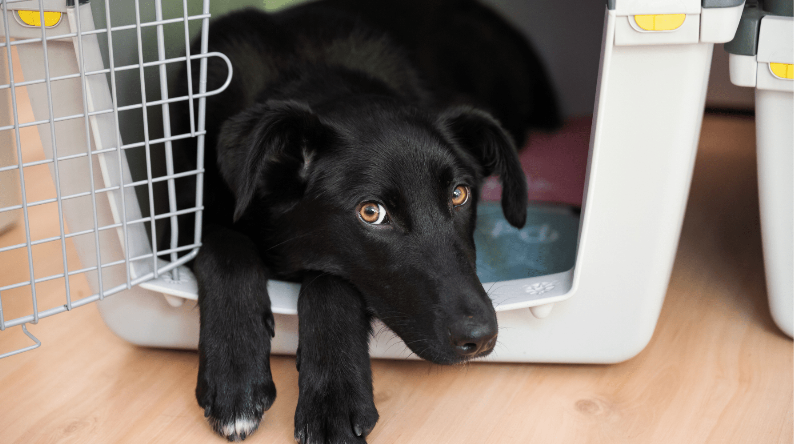
- Create a Safe Space: Ensure your dog has a comfortable, quiet space away from doors and windows, like a crate or a cozy bed in a back room, equipped with their favorite toys.
Boost Their Physical and Mental Exercise
A tired dog is a quiet dog. Boredom is a primary driver of barking, so ensuring your dog is well-exercised and mentally stimulated is non-negotiable.
- Physical Activity: Go beyond a simple walk around the block. Incorporate jogging, games of fetch, or visits to a dog park to truly burn off energy.
- Mental Stimulation: Mental fatigue is just as effective as physical fatigue. Use puzzle toys, treat-dispensing toys, and scent games to keep their brain working. Short, regular training sessions to practice new tricks also provide excellent mental enrichment.
According to Dr. Emily Carter, a certified animal behaviorist, “Many so-called ‘problem barkers’ are simply under-stimulated. Providing consistent outlets for their mental and physical energy is often half the battle. You give the dog a ‘job,’ and they no longer feel the need to appoint themselves as the neighborhood watch.”
How to Train a Dog to Not Bark: Core Techniques
With the foundations in place, you can begin targeted training. The key is consistency and positive reinforcement. Never yell at your dog for barking; this can be interpreted as you “barking” along with them and can increase their anxiety and the noise level.
1. Teach the “Quiet” Command
One of the most effective methods is to teach your dog a command that means “stop barking.” It seems counterintuitive, but sometimes the easiest way to teach “quiet” is to first teach “speak.”
Here’s a step-by-step approach:
- Identify the Trigger: Find something that you know will make your dog bark (e.g., have someone ring the doorbell).
- Mark the Bark: The moment your dog barks, say “Speak!” in an upbeat tone and give them a treat. Repeat this a few times until they start to bark on command.
- Introduce “Quiet”: Once they are reliably barking on cue, let them bark a few times. Then, hold a high-value treat in front of their nose. They will stop barking to sniff the treat. The instant they are quiet, say “Quiet” in a calm, firm voice and give them the treat.
- Extend the Silence: Gradually increase the amount of time they must be quiet before receiving the reward. Start with just one second, then two, then five, and so on.
The goal is to teach your dog that while barking is sometimes okay, being quiet on command is far more rewarding. Learning the specifics of how to train a barking dog not to bark is a game-changer for many owners.
2. Remove the Motivation
This technique is especially useful for attention-seeking barking. Your dog barks because it works—it gets them your attention. The solution is to teach them that the opposite is true.
- When your dog barks to get your attention, completely ignore them. Do not look at them, speak to them, or touch them. Turn your back and walk away if you have to.
- The second they stop barking, even to take a breath, turn back and praise them or give them a treat.
- Be prepared for an “extinction burst.” The barking might get worse before it gets better as your dog tries harder to get the reaction they’re used to. Stay consistent, and they will eventually learn that silence brings rewards.
 An owner calmly giving their small terrier a treat as a reward during a session to train dog to not bark in a cozy living room setting.
3. Desensitization and Counter-Conditioning
This method is ideal for dogs that bark out of fear, anxiety, or territorial aggression towards specific triggers. The goal is to change your dog’s emotional response from “That’s scary!” to “That means good things are coming!”
Let’s use the example of a dog barking at other dogs on walks:
- Find the Threshold: Determine the distance at which your dog can see another dog without barking. This might be 100 feet, 50 feet, or across the street. This is your starting point.
- Create a Positive Association: When another dog appears at that safe distance, start feeding your dog high-value treats, one after another.
- Remove the Reward: The moment the other dog is gone, stop the treats.
- Gradually Decrease the Distance: Over many sessions, slowly decrease the distance between your dog and the trigger. If your dog starts to bark, you’ve moved too close, too fast. Increase the distance again and work at that level until they are comfortable.
This process takes time and patience but is incredibly powerful for changing the underlying emotion that drives the barking. Understanding the nuances of training my dog not to bark often involves addressing these deeper emotional responses.
When Should You Seek Professional Help?
While these methods are highly effective, some situations require an expert. If your dog’s barking is the result of deep-seated separation anxiety, severe fear, or aggression, it’s best to consult a certified professional dog trainer or a veterinary behaviorist. They can help you create a customized plan and ensure both you and your dog are safe. If you’re struggling with the basic steps of how to train dog not to bark, a professional can provide invaluable guidance.
Frequently Asked Questions (FAQ)
1. How long does it take to train a dog not to bark?
The timeline varies greatly depending on the dog’s age, temperament, and the underlying reason for barking. With consistent daily practice (10-15 minutes, a couple of times a day), you should start seeing improvement within a few weeks.
2. Is it cruel to use a bark collar?
Many modern trainers and veterinarians advise against punishment-based tools like shock, citronella, or ultrasonic collars. These collars can cause pain, fear, and anxiety, and they don’t address the root cause of the barking. Positive reinforcement is a more humane and effective long-term solution.
3. My dog only barks when I’m not home. What can I do?
This is likely due to boredom or separation anxiety. Set up a camera to observe their behavior. Ensure they are well-exercised before you leave, provide engaging puzzle toys to keep them occupied, and work on desensitizing them to your departure cues. For severe anxiety, professional help is recommended.
4. Can you train an older dog to stop barking?
Absolutely! The old saying, “You can’t teach an old dog new tricks,” is a myth. While it might take a bit more patience, older dogs are just as capable of learning new behaviors as puppies are. Consistency is key.
5. What if I’ve tried everything and nothing works?
Don’t give up. First, ensure you are being truly consistent with your chosen method. If you are, and you’re still not seeing progress, it’s time to consult a professional. There may be an underlying medical issue or a behavioral complexity that requires an expert eye.
Your Journey to a Happier, Quieter Life
To successfully train a dog to not bark is to commit to understanding your pet on a deeper level. It requires you to be a patient teacher, a keen observer, and a consistent leader. By addressing the root cause of the barking and reinforcing quiet, calm behavior, you’re not just stopping an annoying habit. You are building a stronger, more trusting relationship with your canine companion, creating a more peaceful home for everyone involved. The journey is well worth the reward of quiet companionship.
