
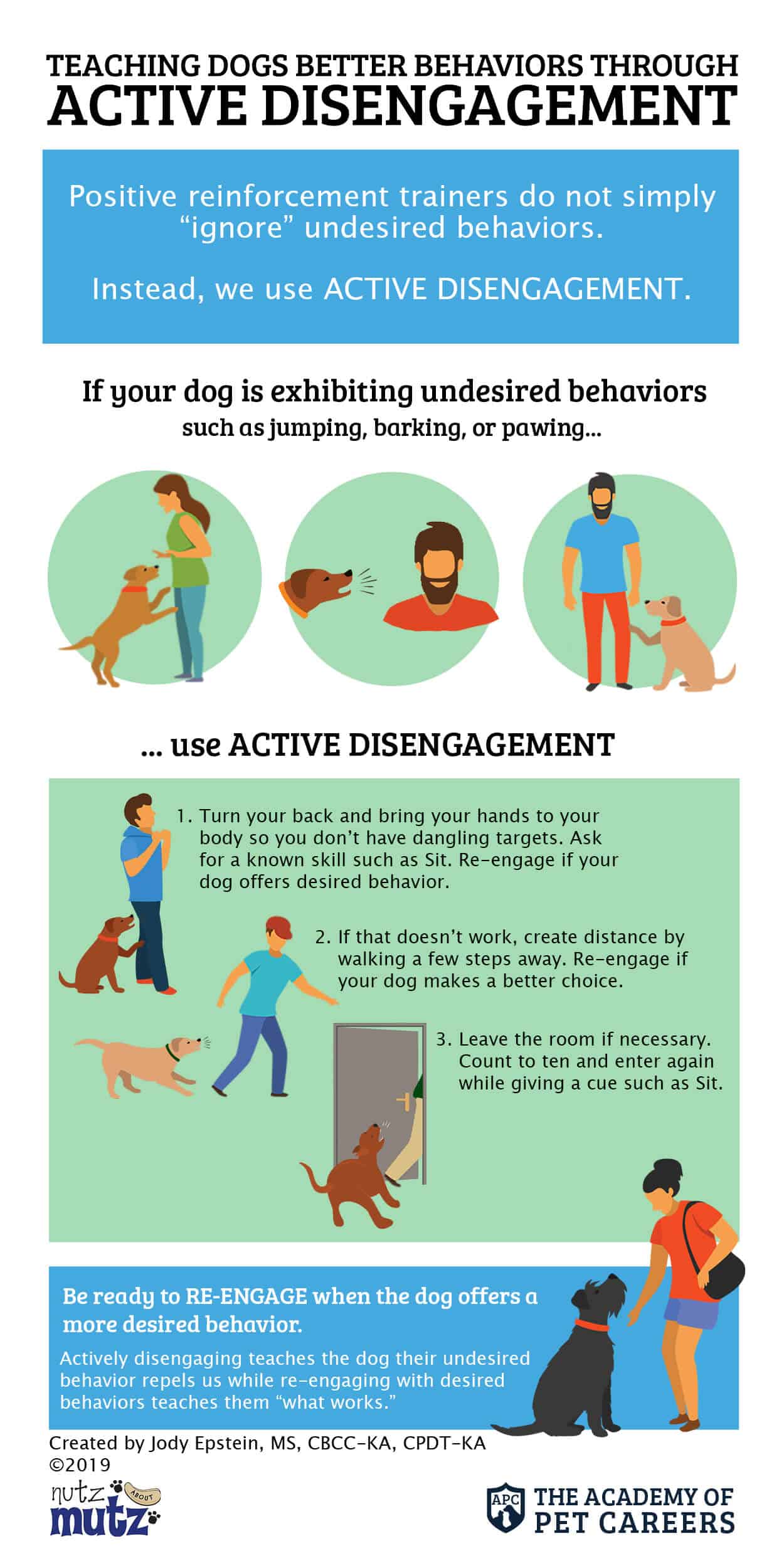
Is your furry friend’s enthusiastic greeting involving all four paws hitting your chest? While it comes from a place of love and excitement, a dog jumping up on people can be a nuisance and even a safety concern. Fortunately, with the right approach and consistent training, you can teach your dog polite greeting manners. This guide will walk you through understanding why dogs jump, and the most effective methods to curb this behavior, ensuring your dog becomes a well-behaved companion.
Understanding Why Dogs Jump
Before we dive into training, it’s crucial to understand the root causes behind a dog’s jumping behavior. Dogs aren’t trying to be disobedient; they’re often acting on instinct or learned behavior.
Excitement and Greeting Rituals
For many dogs, jumping is a natural way to greet people, especially those they are excited to see. In their social structure, puppies often jump up to greet their mother and other adult dogs, nudging their muzzles to solicit food. This instinct can carry over into their interactions with humans. They jump to get closer to our faces, which is how they would greet other dogs.
Seeking Attention
Jumping can also be a learned behavior. If your dog jumps up and receives any form of attention – even a stern “no” or a push away – they might interpret it as a reward. Negative attention is still attention, and for a dog seeking interaction, it can reinforce the jumping habit.
Playfulness and Energy
A dog with pent-up energy or a playful disposition might jump as a way to initiate play or express their exuberance. If a dog hasn’t had enough physical or mental stimulation, they might resort to jumping as an outlet for their excess energy.
The “Dog Care Story” Approach to Stopping Jumps
At Dog Care Story, we believe in positive reinforcement and clear communication. Our methods focus on teaching your dog what to do rather than just punishing what they shouldn’t. This builds a stronger bond and makes training more effective and enjoyable for both you and your dog.
1. Ignoring the Jump: The Power of No Reward
The first and most critical step is to ensure that jumping never results in the attention your dog craves.
- When your dog jumps: Immediately turn away. Cross your arms, look away, and do not speak to your dog. This signals that their jumping behavior has stopped the interaction they were seeking.
- Wait for four on the floor: As soon as all four of your dog’s paws are on the ground, even for a brief moment, calmly praise them and offer attention. This teaches them that calm, grounded behavior is what earns them rewards.
- Be consistent: Everyone in the household, and any visitors, must follow this rule. Inconsistency will confuse your dog and prolong the training process. You might need to have a quick chat with guests before they enter your home to explain the strategy.
2. Teaching an Alternative Behavior: “Sit” for Greetings
While ignoring jumping is key, actively teaching your dog a desired behavior is even more effective. The “sit” command is a perfect alternative for greetings.
- Practice “Sit” frequently: Start practicing the “sit” command in a calm environment with few distractions. Reward your dog generously with treats and praise when they sit.
- Implement “Sit” for greetings: When someone approaches, or when you return home, ask your dog to “sit” before they have a chance to jump.
- If they sit: Reward them with praise and allow them to greet the person calmly. You can even have the person offer a treat or a gentle pat once the dog is in a sit.
- If they start to jump: Immediately revert to ignoring them until they calm down and offer a sit again.
- Gradual introduction of distractions: Once your dog reliably sits for greetings from family members, gradually introduce guests or practice in more distracting environments. This requires patience, as they learn to generalize the “sit” command to various situations.
3. Managing the Environment
Sometimes, management is necessary to prevent the behavior from being practiced while you’re training.
- Leash control: When you know guests are arriving, or when you’re in a situation where jumping is likely, keep your dog on a leash. This allows you to gently guide them into a sit or prevent them from jumping altogether.
- Crate or separate area: For particularly energetic greetings or when you can’t supervise closely, consider having your dog in their crate or a designated safe area until they have calmed down. This prevents them from practicing unwanted behaviors.
4. Addressing the Root Cause: Energy and Stimulation
A tired dog is often a well-behaved dog. Ensure your dog is getting enough physical exercise and mental stimulation throughout the day.
- Physical exercise: Daily walks, runs, or playtime in a secure yard can help burn off excess energy. The amount of exercise needed varies by breed, age, and energy level.
- Mental stimulation: Puzzle toys, training sessions, scent games, and learning new tricks can provide mental enrichment. This tires them out mentally, which is just as important as physical exertion.
What About Visitors?
Having guests over can be a major trigger for jumping dogs. Here’s how to manage those situations:
- Brief your guests: Before they enter, let your guests know your training plan. Ask them to ignore your dog if they jump and to only give attention once the dog is calm and has all four paws on the ground.
- Practice controlled greetings: Have guests enter the house, and if your dog jumps, they should calmly step back or turn away. Once your dog settles, they can invite them for calm interaction.
- Leash your dog: For the initial part of the visit, keeping your dog on a leash can provide control and prevent jumping, allowing for a smoother introduction.
Troubleshooting Common Issues
My dog still jumps even when ignored.
This is common, especially if the behavior has been ingrained for a while. Be extra vigilant with consistency. Ensure everyone is on board. If your dog is extremely persistent, a brief timeout (e.g., leading them to a different room for a minute) might be necessary after they jump, followed by rewarding them when they are calm.
My dog only jumps on certain people.
This might indicate that your dog is more excited by or comfortable with certain individuals. Continue practicing the “sit” command and controlled greetings, and ensure those specific people follow the “ignore the jump, reward the calm” rule strictly.
My dog jumps when excited during play.
If jumping occurs during play, it’s often an over-arousal issue. You can apply similar principles: pause the game immediately when jumping occurs. Resume play only when your dog is calm and has all four paws on the floor. Teaching an alternative behavior, like “down” or “stay,” can also be helpful during play. For a deeper dive into play-related issues, you might find resources on how to train a dog to not jump particularly useful.
The Long Game: Patience and Persistence
Training a dog not to jump up is a marathon, not a sprint. It requires patience, consistency, and understanding. Every dog learns at their own pace, and setbacks are a normal part of the process. Celebrate the small victories – the moments your dog chooses a sit over a jump, or when they greet someone calmly. These are signs of progress.
Remember, the goal isn’t just to stop unwanted behavior, but to build a stronger, more trusting relationship with your canine companion. By applying positive reinforcement and consistent training, you can transform those boisterous greetings into polite, heartwarming interactions. If you’re struggling with specific aspects of training, exploring guides like training your dog not to jump up can offer additional strategies and support.
Frequently Asked Questions about Dogs Jumping Up
Q1: How long does it take to train a dog not to jump?
A: The timeframe varies greatly depending on the dog’s age, breed, energy level, and the consistency of training. Some dogs may learn within a few weeks, while others might take a few months. Patience and consistent application of the training methods are key.
Q2: Should I ever physically correct my dog for jumping?
A: At Dog Care Story, we strongly advocate against physical corrections. They can create fear, anxiety, and damage your relationship with your dog. Positive reinforcement methods, like ignoring jumping and rewarding calm behavior, are far more effective and humane.
Q3: What if my dog jumps on children?
A: This requires extra vigilance. Always supervise interactions between dogs and young children. Ensure the child knows not to encourage jumping and to step away if it happens. Teach your dog a reliable “sit” command that they can perform before interacting with children. For more on this specific scenario, resources detailing how do you train a dog not to jump up can provide targeted advice.
Q4: Can I train an older dog not to jump?
A: Absolutely! While puppies might pick up new habits quicker, older dogs are certainly trainable. Older dogs may have deeply ingrained habits, so consistency and patience are even more crucial. The principles of ignoring unwanted behavior and rewarding desired actions remain effective regardless of age.
Q5: My dog jumps when excited. How can I manage this?
A: This is a common challenge rooted in over-excitement. Ensure your dog gets enough exercise and mental stimulation daily. When practicing greetings or during play, manage their excitement levels. If they start to jump, pause the interaction. Only resume when they are calm with all four paws on the ground. This teaches them that calmness is what earns them the continuation of fun activities. Learning about how to train my dog not to jump up can offer specific techniques for managing excitement-driven jumping.
In conclusion, teaching your dog not to jump up is achievable with the right techniques and a commitment to consistency. By understanding their motivations, implementing positive training strategies, and managing their environment, you can help your dog become a more considerate companion. Embrace the journey with your dog, and enjoy the rewarding experience of a well-behaved best friend.
