
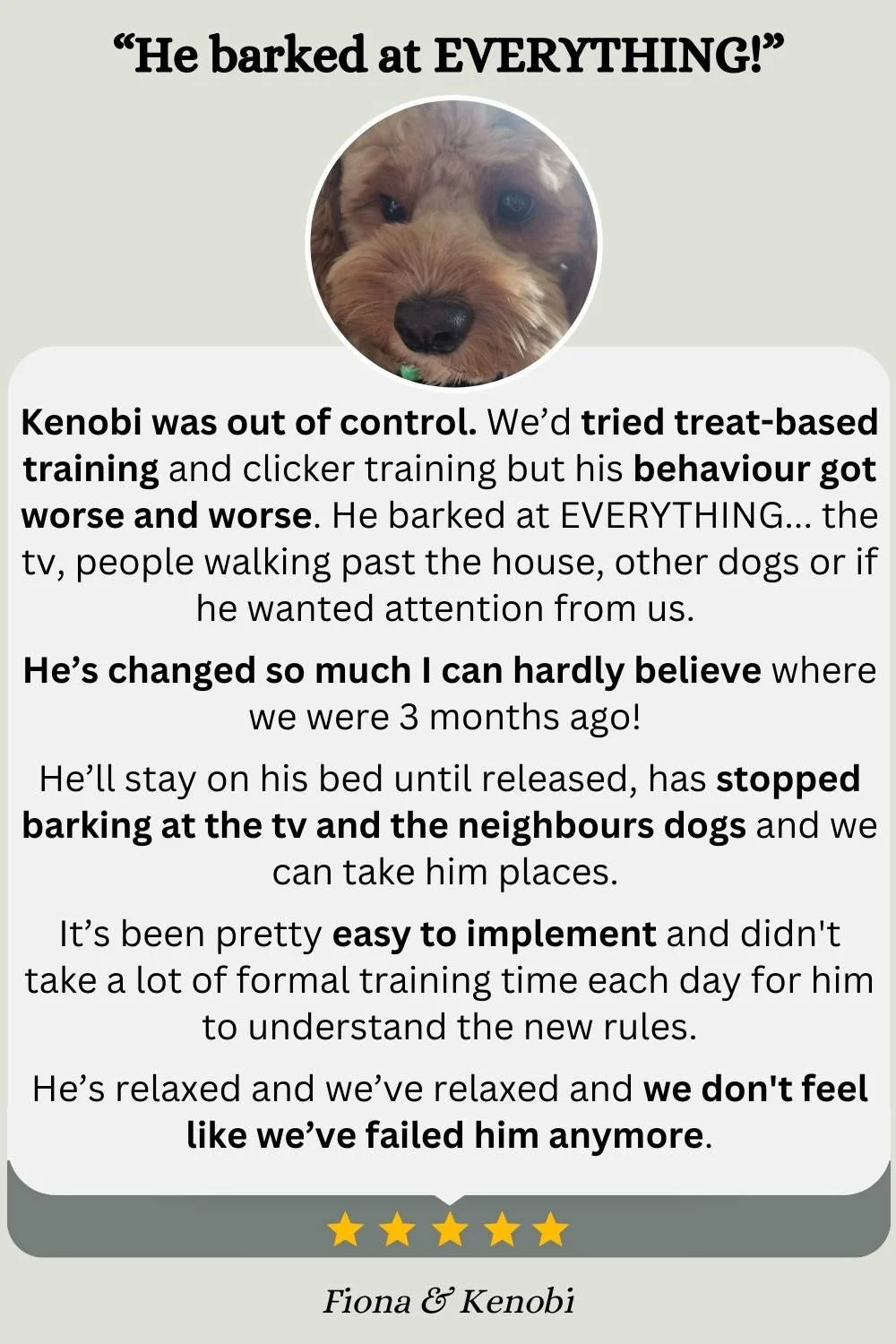
Bringing a dog into your home is a joyous experience, filled with wagging tails and unconditional love. However, some behaviors can test even the most patient pet parent, and excessive barking at the door is a common one. This persistent noise can be disruptive for you, your neighbors, and even your dog’s overall well-being. But don’t despair! With understanding, patience, and the right techniques, you can effectively train your dog not to bark at the door. This guide will walk you through the process, focusing on creating a calmer, quieter home.
Understanding Why Dogs Bark at the Door
Before we dive into training, it’s crucial to understand the root causes of this behavior. Dogs bark at the door for a variety of reasons, and identifying the specific trigger for your dog is the first step toward a solution.
- Alerting: This is perhaps the most common reason. Dogs have a natural instinct to alert their pack (your family) to any perceived presence or change outside their territory. This could be the doorbell, a knock, someone walking by, or even a falling leaf.
- Excitement: Some dogs bark out of sheer excitement. They might associate the sound of the doorbell or knocking with the arrival of a loved one, a visitor, or the prospect of a walk.
- Fear or Anxiety: If your dog is fearful of strangers or new stimuli, they might bark to ward off the perceived threat. This can also manifest as anxiety, especially if they have separation issues.
- Territoriality: Dogs are naturally territorial. Barking at the door is their way of defending their space and letting others know they are present.
- Attention Seeking: If your dog has learned that barking at the door gets your attention (even negative attention), they will continue to do it.
The Role of Breed and Personality
While any dog can bark, certain breeds are more prone to vocalization due to their original purpose as watchdogs or guard dogs. However, individual personality and socialization play a significant role. A well-socialized and confident dog is less likely to bark out of fear or over-excitement than one who hasn’t had enough positive exposure to new experiences.
Essential Preparations for Training
Before you start implementing training techniques, ensure you have a few things in place to set yourselves up for success.
- Management Tools: Have a leash, high-value treats, and a quiet space ready.
- Consistency is Key: Every member of the household needs to be on the same page with the training methods. Inconsistent responses will confuse your dog.
- Patience: Training takes time. Celebrate small victories and don’t get discouraged by setbacks.
- Positive Reinforcement: Focus on rewarding desired behaviors. Punishment can often exacerbate fear and anxiety, leading to more barking.
Training Techniques to Stop Doorbell Barking
Now, let’s get to the practical steps. We’ll focus on desensitization and counter-conditioning, which are highly effective for changing your dog’s emotional response to door-related stimuli.
1. Desensitization to the Doorbell/Knock
The goal here is to reduce your dog’s heightened arousal when they hear the doorbell or a knock.
- Step 1: Muffle the Sound: If possible, temporarily disable your doorbell or muffle the sound by placing tape over the ringer. For knocks, ask a family member or friend to knock very softly.
- Step 2: Low-Level Stimulus: Have someone stand outside your door and ring the doorbell very softly or knock very gently. The moment your dog hears the sound, toss a high-value treat towards them. The treat should be delivered after the sound, not during or before.
- Step 3: Reward Calmness: If your dog remains calm and doesn’t bark, immediately reward them with another treat and praise.
- Step 4: Gradually Increase Intensity: Over many sessions, slowly increase the volume of the doorbell or the intensity of the knock. Only progress when your dog can handle the current level without barking. If they bark, you’ve gone too fast; return to a lower intensity.
- Step 5: Practice with Variations: Once your dog is comfortable with a soft ring/knock, start varying the sound, the timing, and the location of the person outside.
This process can take weeks or even months, depending on your dog’s sensitivity. The key is to keep the experience positive and below your dog’s threshold for barking.
2. Teaching an Alternative Behavior: “Go to Mat”
Instead of allowing your dog to bark, teach them a specific job to do when the doorbell rings. The “go to mat” or “place” command is excellent for this.
- Step 1: Introduce the Mat: Start by teaching your dog to go to a designated mat or bed on command. Reward them for simply stepping onto it, then for staying there for a few seconds.
- Step 2: Associate Mat with Calmness: Practice sending your dog to their mat at random times throughout the day. Reward them generously for staying there calmly.
- Step 3: Combine with Door Stimulus (Gradually): Once your dog reliably goes to their mat, start incorporating the doorbell/knock desensitization. Have someone ring the bell or knock softly while you cue your dog to go to their mat.
- Step 4: Reward at the Mat: As soon as your dog goes to their mat, even if they are a bit anxious, reward them with high-value treats on the mat. This reinforces that good things happen when they go to their designated spot.
- Step 5: Ignore Barking: If your dog barks before going to the mat, calmly guide them to it without any fuss. Only reward them once they are on the mat and quiet. This teaches them that barking doesn’t get them what they want, but going to the mat does.
This is a crucial step in teaching your dog that the doorbell signifies a new routine, not a cause for alarm or excitement. Learning how to train dog not to bark at doorbell requires patience and consistency.
3. Managing Visitors and Deliveries
While you’re training, you’ll need strategies to manage actual visitors and deliveries.
- Inform Visitors: Ask friends and family to help by not immediately interacting with your dog when they arrive. Have them wait until your dog is calm before greeting them.
- Leash Up: When expecting a delivery or a visitor, have your dog on a leash. This gives you more control and prevents them from rushing the door.
- Create a Distraction: Offer your dog a long-lasting chew toy or a stuffed Kong while the visitor is present. This can redirect their focus and keep them occupied.
- Use a Barrier: If your dog is very reactive, consider putting them in their crate or another room with a tasty distraction while guests arrive. You can gradually reintroduce them to the situation as training progresses.
Addressing Specific Barking Triggers
- Barking at People Walking By: If your dog barks at anyone passing your window or front yard, you’ll need to manage their visual stimuli. Use frosted window film, blinds, or curtains to block their view. You can also work on desensitization to people outside, similar to the doorbell training. When you see someone approaching, distract your dog with a treat or a toy before they start barking.
- Barking Due to Separation Anxiety: If your dog barks excessively when left alone, this indicates separation anxiety. This requires a different training approach, often involving gradual departures, counter-conditioning to your departure cues, and potentially professional help from a certified trainer or veterinary behaviorist.
When to Seek Professional Help
While most dogs can learn to control their door barking with consistent training, some cases may be more complex. If you’re struggling to make progress, your dog’s barking is accompanied by aggression, or you suspect underlying anxiety issues, it’s wise to consult a professional. A certified professional dog trainer (CPDT-KA or CPDT-KSA) or a veterinary behaviorist can assess your dog’s specific situation and provide tailored strategies. They can also help with more advanced techniques like how to train dog not to bark at door.
Remember, training a dog not to bark at the door is a journey, not a race. By understanding their motivations, employing consistent positive reinforcement, and managing challenging situations, you can help your dog become a more peaceful member of your household. Patience and persistence are your greatest allies in achieving a quieter, happier home for everyone.
